
Getting a solar energy system for your home is a big decision. Here’s what you absolutely need to remember when looking into the solar energy system cost in Australia for 2026.
Key Takeaways
- The price of a solar system in 2026 depends on its size, the quality of the panels and inverters, and your roof’s condition.
- The federal solar rebate (STC) acts as a discount, reducing the upfront cost, but it’s slowly being phased out.
- Some states, like Victoria, offer additional rebates that can lower the cost further.
- Battery storage adds significant cost but can greatly improve your savings by letting you use stored solar power at night.
- Understanding your energy usage and how much solar power you use at home (self-consumption) is key to calculating your long-term savings.
Understanding Solar Energy System Cost In Australia
So, you’re thinking about getting solar panels in 2026? Good on ya! With electricity prices still doing their thing, it’s a smart move for your wallet and the planet. But before you get too excited, let’s break down what you actually need to know about the costs involved. It’s not just about the sticker price; there are a few things that can really change your final bill.
Factors Influencing Your Solar Investment
When you get a quote for solar, you’ll notice prices can vary quite a bit, even for systems that look similar. This is totally normal. Several things play a role in the final cost. The quality of the gear you choose is probably the biggest factor. Think of it like buying a car – you can get a basic model or one with all the bells and whistles, and the price reflects that.
Here are the main things that will affect your investment:
- Panel and Inverter Quality: Higher-end panels and inverters usually cost more upfront. They use better materials and often come with longer warranties, meaning they should last longer and perform better, especially on those not-so-sunny days. Cheaper gear might seem like a bargain now, but it could end up costing you more down the track if it breaks.
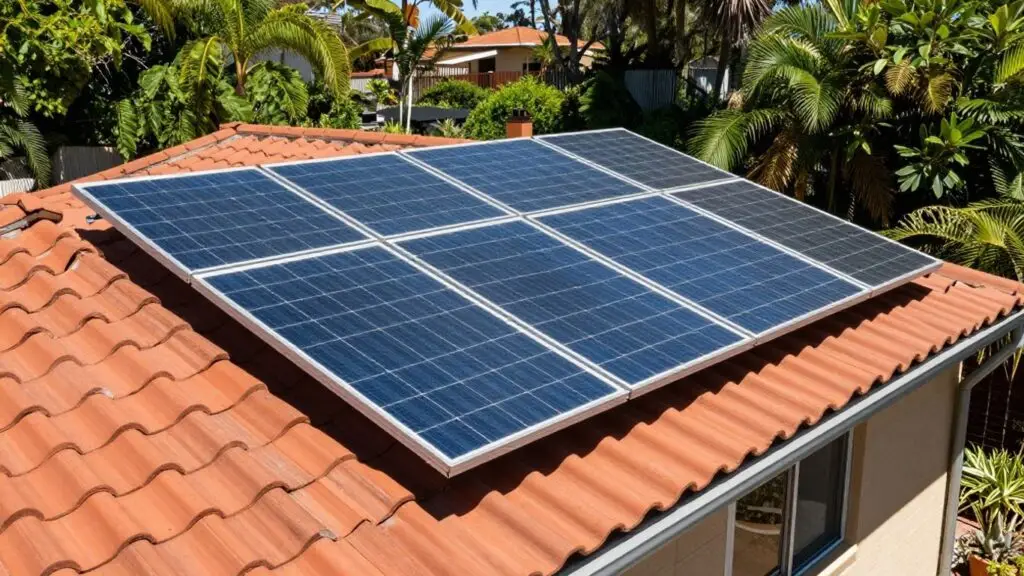
- Roof Characteristics and Installation Complexity: Is your roof steep? Does it have a lot of tricky angles or obstructions like skylights? These things make the job harder for the installers, and that extra time and effort will be reflected in the quote. The type of roof material can also play a part.
- Ancillary Electrical Work and Upgrades: Sometimes, your home’s existing electrical setup might not be quite ready for a new solar system. You might need a switchboard upgrade or some other electrical work done. This is an extra cost that’s separate from the panels and inverter themselves.
Remember, the cheapest system isn’t always the best value. Investing a bit more in quality components can save you a lot of headaches and money in the long run.
Average Solar System Pricing for 2026
Okay, let’s get down to some numbers. These are average prices you can expect in 2026, and they already include the federal solar rebate, which is a nice little discount applied at the point of sale. Keep in mind these are just guides, and your specific situation might differ.
| System Size (kW) | Average Price Range (AUD) |
|---|---|
| 5 | $4,500 – $8,000 |
| 6.6 | $5,500 – $9,000 |
| 10 | $8,000 – $13,000 |
| 13.3 | $10,000 – $15,000 |
| 15 | $13,000 – $18,000 |
| 20 | $17,000 – $22,000 |
These prices are for good quality systems. If you’re looking at the absolute top-tier gear, expect to pay more. Also, remember that state-specific rebates, like the one in Victoria, aren’t included here and can offer further savings. The federal rebate is a big help, offering around $240 per kilowatt of panel capacity, so a 6.6kW system gets a decent chunk off thanks to the SRES scheme.
The Importance of System Size
Choosing the right size for your solar system is super important. It’s not a one-size-fits-all situation. You need a system that matches how much electricity your household actually uses. If you go too small, you won’t generate enough power to make a real difference to your bills. If you go too big, you might be paying for more than you need, although excess power can be exported to the grid.
- Small Homes/Basic Needs: A 5kW system is often a good starting point for smaller homes or those with lower energy usage.
- Average Homes: The 6.6kW system is the most popular choice for a reason. It offers a great balance for most average-sized houses and families.
- Larger Homes/High Usage: If you have a big family, run a pool pump, use ducted air conditioning a lot, or have an electric vehicle, you’ll likely need a larger system, like a 10kW or even bigger.
Getting this right means you’ll get the most bang for your buck over the years. It’s all about matching your energy generation to your energy consumption.
Navigating Solar Rebates And Incentives
So, you’re thinking about getting solar panels? That’s a smart move, especially with the way electricity prices have been going. But before you sign on the dotted line, let’s talk about the money side of things – specifically, the rebates and incentives available in Australia for 2026. These can make a big difference to the upfront cost.
Australia has a federal solar rebate, officially called the Small-scale Renewable Energy Scheme (SRES). Think of it as a discount applied when you buy your system. Most advertised prices already factor this in. For 2026, it’s roughly valued at $240 per kilowatt (kW) of solar panel capacity. So, a common 6.6kW system could get you around $1,600 off the price. Anyone can claim this rebate, regardless of income, as long as your system is under 100kW and installed by a qualified professional using Clean Energy Council-approved gear. The rebate does decrease a bit each year and will eventually phase out by 2031, so it’s worth looking into sooner rather than later.
State-Specific Solar Support
On top of the federal help, some states offer their own sweeteners. For example, Victoria has a state-level rebate that can knock off up to an extra $1,400 for eligible homeowners. These state-based incentives can change, so it’s always a good idea to check the federal government’s energy website for the latest details specific to your area. Sometimes these come as direct discounts, other times as interest-free loans for a portion of the cost.
Maximising Rebate Benefits
When you get quotes, make sure the installer clearly explains how the rebate is applied. Most people assign their Small-scale Technology Certificates (STCs) to their installer, who then gives you an upfront discount. This is the easiest way to go. You can technically sell them yourself, but it involves a lot of paperwork and might not be worth the hassle for most people. Also, remember that the federal rebate is based on your panel capacity, not the inverter size. It makes sense to size your panels close to the maximum allowed relative to your inverter. If you’re thinking about a battery, that can sometimes allow you to exceed this limit.
It’s important to understand that while these rebates are fantastic, they are not the only financial consideration. You’ll also want to look into feed-in tariffs, which are payments from your electricity retailer for any excess power you send back to the grid. However, these rates have dropped significantly over the years, so the focus now is more on using your own solar power rather than exporting it.
Here’s a quick rundown of what to keep in mind:
- Accreditation: Ensure your installer and the equipment they use are accredited and approved.
- System Size: The rebate is tied to your panel capacity, so get this right.
- Timing: The federal rebate reduces annually, so acting sooner rather than later can mean a larger discount.
- State Incentives: Don’t forget to check for any additional support available in your specific state or territory. Solar Victoria is a good example of a state-based program.
Understanding these incentives is a big step towards making solar power a more affordable reality for your home.
Key Components Affecting Solar Installation Expenses
Panel And Inverter Quality Matters
When you’re looking at solar, the bits and pieces you choose really change the price. Think of it like buying a car – you can get a basic model or one loaded with all the fancy extras. The same goes for solar panels and the inverter, which is the brain of the whole operation, turning sunlight into power your home can use.
Choosing higher-quality panels and inverters upfront might cost more, but they often perform better for longer and come with better warranties. Cheaper gear might seem like a good deal now, but it can lead to more headaches and costs down the track if it breaks. For a 6.6kW system, opting for premium panels could add a fair bit to the initial cost, but you’re looking at better efficiency, especially on those cloudy days, and a longer lifespan. The same goes for inverters; a top-tier inverter might cost more than a budget option, but it’s less likely to conk out in the first decade or so. You can find a range of brands out there, and it’s worth looking into reviews to see which ones have a good track record. For example, a good inverter is pretty much essential for a reliable system. If you’re curious about different inverter brands, you can check out reviews for options like Fronius or Goodwe here. If you want to get the most out of your system, you might also consider a consumption monitor. These little gadgets sit in your switchboard and tell you exactly how much power you’re using and when. Without one, you’re kind of flying blind on your home’s energy use. It really helps you figure out the best times to run your appliances to make the most of your solar power.
Roof Characteristics And Installation Complexity
Your house itself plays a big part in how much installing solar panels will cost. It’s not just about the panels and inverter; the actual job of putting them on your roof can get tricky. If you’ve got a steep roof or a multi-story place, the installers will need extra safety gear, and sometimes even scaffolding. That all adds time and expense to the job.
Then there’s the roof material. Standard tin or Colorbond roofs are usually pretty straightforward for installers to work with. They can get panels on those pretty quickly. But if you have something like terracotta tiles, it’s a different story. Those tiles are fragile, so the installers have to be super careful, stepping slowly and using special brackets. Moving heavy panels up a difficult roof also takes more time and effort.
Here’s a quick rundown of what can make installation trickier:
- Steepness: The steeper the pitch, the more challenging and potentially dangerous the work.
- Height: Multi-story homes require more complex access and safety measures.
- Roof Material: Fragile materials like tiles need extra care compared to metal sheeting.
- Obstructions: Things like skylights, vents, or complex roof lines can complicate panel placement.
The physical characteristics of your roof and the overall complexity of the installation site are significant factors that influence the final price. Installers need to account for safety, time, and the specific materials required to ensure a secure and effective setup.
Ancillary Electrical Work And Upgrades
Sometimes, getting your home ready for solar involves a bit more than just slapping panels on the roof. You might need some extra electrical work done. For instance, if your home’s main switchboard is a bit old or doesn’t have enough space, it might need an upgrade. This is pretty common, especially in older houses.
These upgrades aren’t usually included in the basic solar quote, so it’s something to ask your installer about. They’ll check your existing setup and let you know if anything needs doing. It’s all about making sure your home’s electrical system can safely handle the new solar power coming in. A properly upgraded system ensures everything runs smoothly and safely. You can find out more about system costs on pages like this one which gives a good overview of pricing for a 6.6kW system.
Advanced Solar Solutions And Their Cost Implications
Beyond the basic panels and inverters, there’s a whole world of advanced solar tech that can really change how you use energy at home. These options often come with a higher upfront cost, but they can offer some pretty neat benefits down the track.
The Price of Premium Inverter Technology
When you’re looking at solar systems, the inverter is like the brain, converting the DC power from your panels into AC power your home can use. While standard string inverters do the job, you might see options like microinverters or power optimisers. These sit on each panel individually, meaning if one panel is shaded or dirty, it doesn’t drag the whole system’s performance down. This individual panel optimisation can lead to better overall energy production, especially for roofs with tricky angles or shading issues. However, this fancier tech usually adds about 20% to the system’s price compared to a standard setup.
Integrating Battery Storage Systems
Battery storage is becoming a really popular add-on. It lets you store excess solar power generated during the day to use at night or during peak demand times, cutting down on your reliance on grid electricity. Think of it as your own personal power reserve. A system with a decent battery can easily double the initial cost of your solar setup. For example, a 13kW solar array paired with a 16kWh battery might cost significantly more than just the panels and inverter alone. But, the savings on your electricity bills and the increased energy independence can make it a worthwhile investment for many households.
Smart Energy Management Systems
Smart energy management systems, sometimes called ‘energy brains’, are the next level of control. These systems can do things like predict weather patterns to optimise battery charging, manage EV charging using only surplus solar, and even connect your home to a Virtual Power Plant (VPP). A VPP allows you to share your stored energy with the grid during peak times, earning you credits on your bill. While these systems add another layer of cost, they can significantly boost your savings by making sure you’re using every bit of solar power you generate and minimising expensive grid imports. They can also help avoid issues like export throttling, where the grid limits how much solar you can send back, by automatically diverting that power to your battery instead. It’s all about getting the most bang for your buck from your solar investment.
Investing in advanced solar solutions like premium inverters, battery storage, and smart energy management systems might seem like a big jump in cost initially. However, these technologies are designed to maximise your solar energy’s value, reduce your reliance on the grid, and potentially offer greater long-term savings and energy independence. It’s about looking at the whole picture, not just the sticker price.
Calculating The Long-Term Value Of Solar
So, you’ve looked at the upfront costs, maybe even snagged a rebate or two, but what about the long haul? Figuring out the real worth of a solar setup means looking beyond the initial price tag. It’s about how much you’ll save over the years, how quickly you’ll get your investment back, and how much control you gain over your energy bills.
Estimating Your Solar Savings
This is where the numbers really start to paint a picture. Your savings come from two main places: the electricity you don’t have to buy from the grid, and any money you earn by sending excess power back. The more solar energy you can use yourself, the bigger your savings will be. Think about your daily electricity use – when do you use the most power? If you can match that with your solar production, you’re winning.
Here’s a rough idea of what influences your savings:
- System Size (kW): Bigger systems generally produce more power.
- Your Energy Usage: How much electricity do you actually use, and when?
- Sunlight Hours: More sun means more power generation.
- Feed-in Tariff Rates: What your energy retailer pays you for excess solar.
- Grid Electricity Prices: How much you’re saving by not buying from the grid.
Understanding Payback Periods
Nobody wants to wait forever to see their money back. The payback period is simply how long it takes for your solar system’s savings to equal its initial cost. It’s a pretty straightforward concept, but it can vary a lot. A good way to get a handle on this is by using a solar payback period calculator. Generally, systems with good incentives, high self-consumption, and decent feed-in tariffs will have shorter payback periods. It’s worth noting that really cheap systems might seem appealing, but they often cost more in the long run due to repairs and lower output.
The Role Of Self-Consumption And Feed-In Tariffs
These two go hand-in-hand and are super important for maximising your solar system’s value. Self-consumption is all about using the solar power you generate right there and then, in your home. The higher your self-consumption ratio, the less electricity you need to buy from the grid, and the more you save. Feed-in tariffs (FiTs) are what you get paid for any excess solar power that your system sends back to the grid. These rates can differ significantly between energy providers and states, so it’s worth shopping around. Some homes might even see their solar production scaled back due to network issues, which can affect how much goes back to the grid.
While a solar and battery system aims for energy independence, it’s rare to be completely off-grid. You’ll likely still draw from the grid during peak demand periods when your battery can’t keep up, or if there are network limitations affecting solar export. This means you’re not always 100% independent, but the reduction in grid reliance is still substantial.
For instance, a system might produce 172% of a home’s average consumption, leading to a 94% reduction in their electricity bill. Over its lifetime, such a system can also offset a significant amount of CO2 emissions, equivalent to planting thousands of trees.
Conclusion
So, is getting solar still a good idea in Australia for 2026? The short answer is yes, absolutely. While the initial cost might seem like a lot, think of it as a long-term investment in your home’s energy future. With prices for electricity always going up, having your own power source makes a lot of sense. Plus, with government help and improving technology, it’s becoming more achievable for more people. It’s not too late to jump on board and start saving money while helping the environment. 2026 looks like a great year to make the switch.
Frequently Asked Questions
What's the cheapest way to get solar panels?
To keep costs down, go for a standard 5kW or 6.6kW system using good quality, but not top-of-the-line, panels. Make sure you get the federal discount. Also, if your roof is simple and easy to work on, like a standard tin roof on a single-story house, installation labour will be cheaper.
How long does it usually take for solar panels to pay for themselves in Australia?
Most Aussie homes find that their solar system pays for itself in about 3 to 5 years. This can change depending on how much you pay for electricity from the grid and how much of the solar power you make you actually use yourself during the day. Adding a battery can help you save money faster by using your solar power at night.
Is a 6.6kW solar system enough for a 4-bedroom house?
Generally, yes, a 6.6kW system is usually a good fit for a typical four-bedroom home. It offers a nice balance between the amount of power it makes and its overall cost. But, if your house has things like a pool, ducted air conditioning, or if you own an electric car, you might need a bigger 10kW system.
How long do solar panels typically last?
Good quality solar panels are built tough and are made to last for a very long time. Most of the better ones will work well for about 25 to 30 years. They might get a tiny bit less efficient each year, but they keep producing power. The main part that converts the solar power, called an inverter, usually needs replacing after about 10 to 15 years.
Why is my electricity bill still high even though I have solar panels?
Your bill might still be high if you use most of your electricity when the sun isn’t shining, like at night. In this case, you’re buying expensive electricity from the grid. To fix this, try to use your big appliances during the day when your solar panels are making power. Or, consider adding a battery to store solar energy for use after dark.
What affects the total cost of a solar energy system?
Several things play a role in the final price. The size of the system is a big one, of course. But also, the quality of the panels and the inverter you choose makes a difference. If your roof is tricky to install on, or if you need extra electrical work done, that adds to the cost too. And if you decide to add a battery, that will significantly increase the total price.