
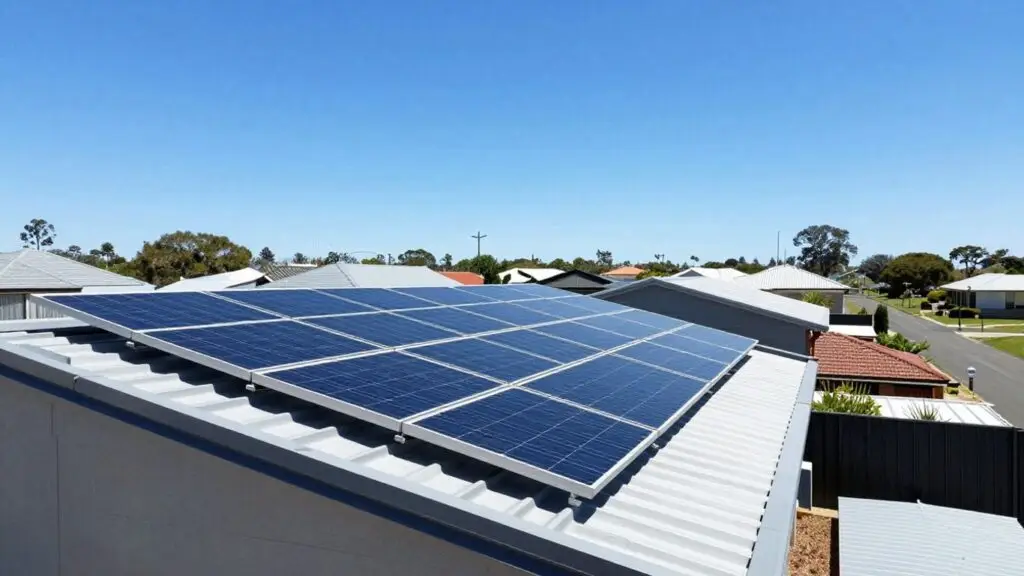
Getting solar power for your home is a big step. To help you make sense of it all, here are the main things to remember about the cost of solar power systems in Australia for 2026:
Key Takeaways
- The overall cost of a solar power system depends on many things, like the size, brand of panels, and if you add battery storage.
- Government rebates and incentives, like the federal solar rebate (SRES), can significantly lower the upfront cost of your system.
- Installation costs can change based on how tricky your roof is and who you hire to do the job.
- Always compare quotes from different installers and check warranties to get the best value and avoid cheap, low-quality systems.
- While the initial cost can seem high, solar power systems often pay for themselves over time through lower electricity bills.
Understanding the Core Cost Of Solar Power Systems
So, you’re thinking about getting solar panels for your place in Australia? It’s a big decision, and the cost is probably the first thing on your mind. Let’s break down what goes into the price tag. It’s not just about the panels themselves; there are a few moving parts that add up.
Estimating Your Solar Power System Investment
When you’re looking at the overall cost, it’s helpful to have a ballpark figure. For a typical 5kW system, you might be looking at anywhere from $4,500 to $8,000. A bit bigger, say a 6.6kW system, could range from $5,500 to $9,000. And if you’re going for a 10kW system, expect to pay between $8,000 and $13,000. These figures usually include the federal government’s STC rebate, which is a nice chunk off the top. Remember, these are just estimates, and the final price can swing depending on a few things we’ll get into.
- System Size (kW): Bigger systems cost more upfront but can generate more power.
- Component Quality: Top-tier panels and inverters will push the price higher.
- Installation Complexity: Tricky roofs or extra electrical work add to the bill.
The initial outlay for solar can seem steep, but it’s an investment in your home and the environment. Thinking long-term about savings and reduced energy bills is key.
Factors Influencing Solar Panel Pricing
Why do some panels cost more than others? Several things play a role. The brand name is a big one; premium brands often come with better technology and longer warranties, hence the higher price. Newer models, fresh off the research and development line, also tend to be pricier than older, established models. And, of course, the wattage matters – a panel that packs more power will naturally cost more. The availability of panels can also affect prices, though right now, Australia has a good supply, which helps keep things competitive. You can find out more about the federal solar rebate scheme which helps reduce these costs.
The Impact Of Panel Brand And Model On Cost
Think of it like buying a car. You can get a basic model or a fully-loaded one. The same applies to solar panels. High-end brands like REC might cost more, but they often come with superior performance and durability. Older models might be cheaper, but they might not be as efficient as the latest technology. It’s a trade-off between upfront cost and long-term performance and reliability. When choosing, it’s worth looking into reviews for different brands to see what others are saying about their longevity and support.
Navigating Government Solar Rebates And Incentives
So, you’re thinking about getting solar panels? That’s great! One of the biggest things that makes it easier to afford is the government’s help. Australia has a few ways to help you out, and it’s worth understanding them.
The Federal Solar Rebate Scheme Explained
This is the big one, often called the Small-scale Renewable Energy Scheme (SRES). Basically, it works like a discount you get upfront when you buy a solar system. The advertised prices you see usually already have this discount factored in. For 2026, it’s worth about $240 for every kilowatt (kW) of solar panels you install, though this can change a bit depending on where you live. For instance, a common 6.6kW system might get you around $1,600 back. You can get this rebate even if you’ve had solar before and are upgrading. Just make sure your system is under 100kW, installed by a Solar Accreditation Australia (SAA) accredited professional, and uses Clean Energy Council approved gear.
The federal rebate is slowly decreasing each year and will eventually run out in 2031, so it’s a good idea to get in sooner rather than later.
- How it works: You usually assign your Small-scale Technology Certificates (STCs) to your installer. They sell them for you and give you a discount on the spot, minus a small fee. You can sell them yourself, but it’s a lot more paperwork.
- STC Calculator: The government has a handy calculator online to figure out how many STCs your system will generate.
- What it’s not: It’s not a rebate that ends tomorrow. While some installers might say that, the scheme is set to phase out gradually.
The federal rebate is a significant financial incentive designed to make solar more accessible. While it’s diminishing over time, its current value can substantially reduce the initial outlay for homeowners looking to invest in renewable energy.
State-Specific Solar Incentives
On top of the federal help, some states offer their own sweeteners. For example, Victoria has a state-level rebate that can give eligible folks an extra $1,400 off their solar system. These state incentives can change, so it’s always a good idea to check the federal government’s energy website for what’s available in your neck of the woods and what you need to do to qualify. Some states also offer interest-free loans, which can be a great way to pay for your system without racking up debt. Just be sure to read the fine print on any loan offer, whether it’s from the government or a private company. Check state incentives.
Maximising Rebates For Your Solar Investment
To get the most bang for your buck, you need to be smart about it. Firstly, understand that the federal rebate is based on your panel capacity, not your inverter size. It often makes sense to have your panel capacity be as close as possible to the maximum allowed by your inverter, and installing a battery can sometimes let you exceed this. Also, remember that feed-in tariffs (FiTs) – what you get paid for sending excess power back to the grid – aren’t what they used to be. Most FiTs are now ‘net’ tariffs, meaning you only get paid for what’s left after you’ve used your own power. So, the best strategy is usually to use as much of your solar power as you can during the day and minimise what you export. This means planning your energy use around when the sun is shining. If you’re looking at battery storage, keep in mind that changes to battery rebates are happening, aiming to keep the discount around 30% changes to solar battery rebate. It’s all about using your generated power wisely and taking advantage of all the financial help available.
Key Components Affecting Your Solar System Price
So, you’re looking at solar, and the big question is always about the price tag. While the panels themselves get a lot of attention, there are other bits and pieces that really add up and influence the final cost. It’s not just about the shiny rectangles on your roof; it’s the whole package.
Inverter Technology And Its Cost Implications
The inverter is basically the brain of your solar setup. It takes the DC electricity your panels make and turns it into the AC power your home can actually use. These things work hard all day, every day, so they’re often the first component to show signs of wear and tear, usually within 10 to 15 years. Cheaper inverters might save you money upfront, but they might not last as long or perform as well as their mid-range or premium cousins. For a typical 6.6kW system, stepping up to a better quality inverter could add around $1,200 to the bill compared to a budget option. If you’re thinking about optimisers or micro-inverters, which offer more granular control and can be great if you have shading issues, expect to pay an extra $1,800 or more on top of a basic string inverter system.
The Role Of Panel Wattage And Size
When you’re picking out solar panels, you’ll notice they come in different wattages. Generally, the higher the wattage, the more power each panel can produce, and yes, the higher the price per panel. But here’s the trade-off: more powerful panels mean you might need fewer of them to reach your desired system size. This can be a big win if your roof space is limited, as it helps you maximise the energy you can generate from the available area. So, while a higher wattage panel might cost more individually, it could lead to a more efficient use of your roof space and potentially a higher overall system output.
Considering Battery Storage For Your System
Adding battery storage to your solar system is a game-changer, but it definitely comes with a significant price tag. If you’re aiming for an off-grid setup or a hybrid system that can store excess solar power for use at night or during outages, a battery is a must. However, be prepared: installing a battery can, at a minimum, double the overall cost of your solar power system. It’s a big investment, but for many, the security and independence it provides are well worth it. It’s worth looking into approved sellers to make sure you’re getting quality components.
When you’re getting quotes, don’t just focus on the panel price. The inverter, the mounting system (which connects panels to your roof), and any monitoring devices all add to the total cost. A good quality mounting system, for instance, might cost around $0.10 per watt, and while many are similar, premium brands can offer better longevity.
Here’s a quick rundown of what else impacts the price:
- Brand and Model: Just like cars, some solar panel brands are premium and cost more, often with better warranties and technology. Newer models also tend to be pricier due to R&D.
- System Size (kW): A larger system, meaning more panels and a higher total wattage, will naturally cost more.
- Roof Complexity: Steep roofs, tricky shapes, or difficult access can increase installation labour costs.
- Additional Electrical Work: Sometimes, your home’s electrical setup might need an upgrade to handle the solar system, adding to the expense.
Installation Expenses And Installer Considerations
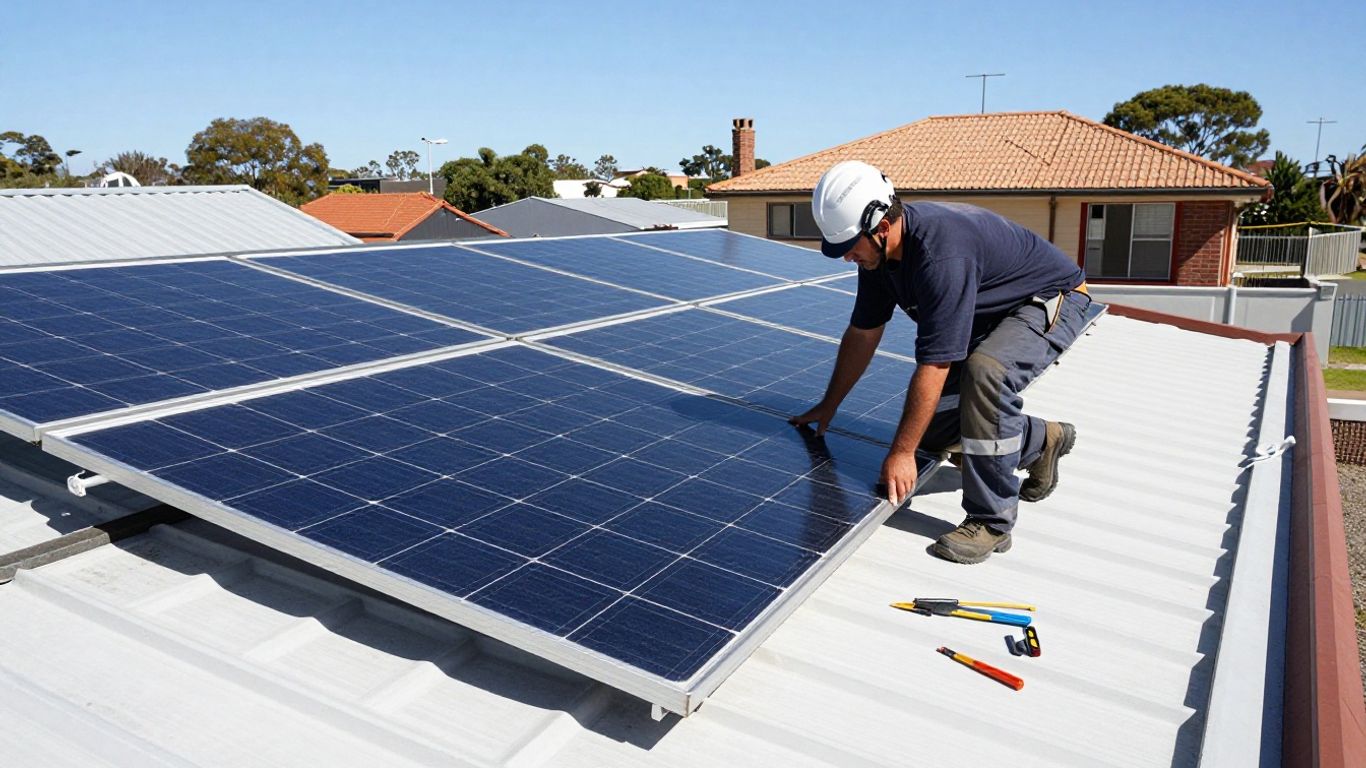
So, you’ve crunched the numbers on panels and inverters, but what about the actual nuts and bolts of getting it all onto your roof? Installation costs can really add up, and picking the right mob to do the job is just as important as the gear itself. It’s not just about slapping panels up there; it’s a skilled trade, and that comes at a price.
Understanding Solar Installation Labour Costs
The cost of labour for installing a solar system can vary quite a bit. Think of it like hiring a plumber or an electrician – some are more experienced, some are faster, and some charge more for their time. Generally, you’re looking at around $1,000 per kilowatt for installation, but this can fluctuate. A standard 6.6kW system might see installation costs anywhere from $5,000 to $8,500, depending on who you hire and where you are. It’s a significant chunk of the overall price, so don’t underestimate it.
Choosing A Reputable Solar Installer
This is where you really need to do your homework. Not all solar companies are created equal. Some might offer ridiculously cheap deals, but these can often be a red flag for dodgy workmanship or equipment that won’t last. Always go with CEC-accredited installers – it’s a sign they know their stuff and follow safety standards. Look for reviews, ask for references, and get a feel for their communication. A good installer will explain everything clearly and won’t pressure you. Finding a reliable installer is key to a system that performs well for years to come, and you can find local Solar Power Installers now to get started.
The Impact Of Roof Complexity On Installation Costs
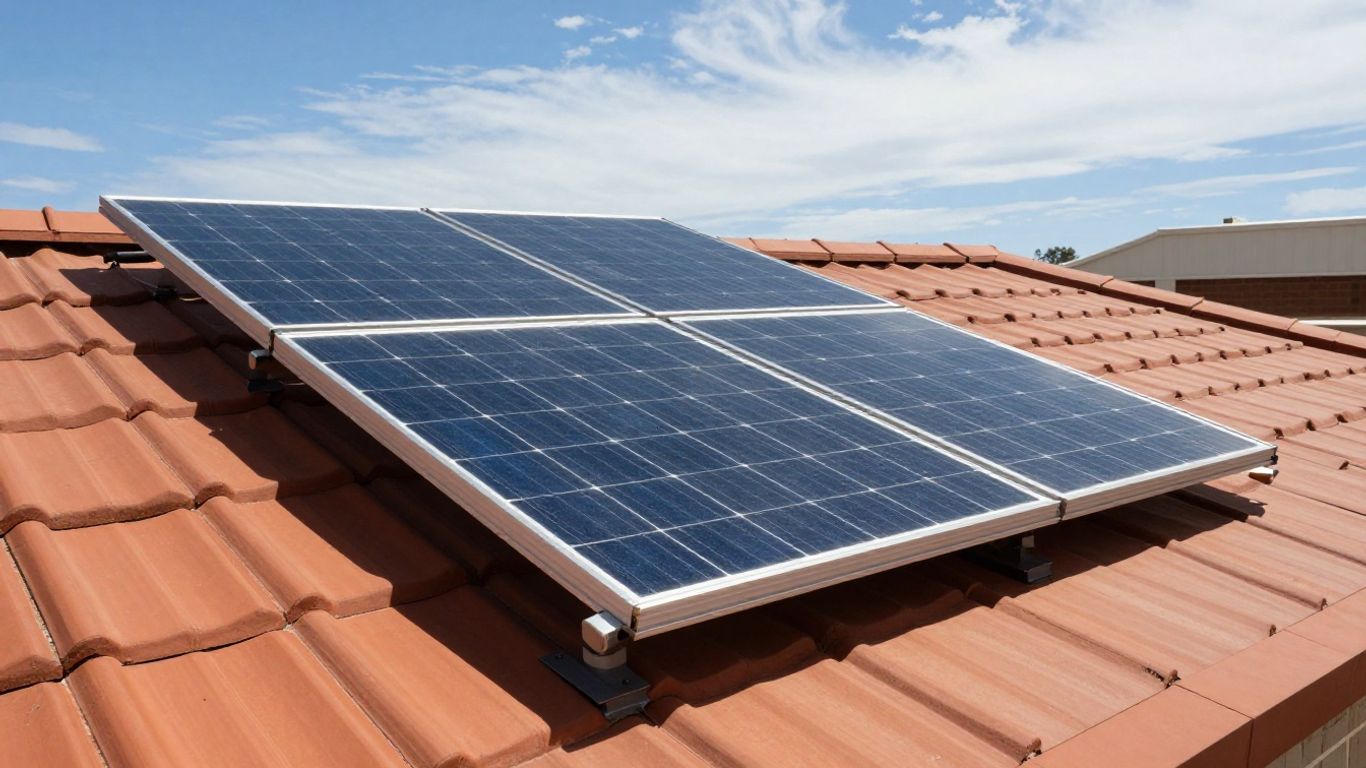
Your roof isn’t just a roof when it comes to solar. The type of material (like terracotta tiles versus tin), the pitch, and whether it’s a single or double-storey home all play a part. Steep or complex roofs, or those with tricky angles, will take longer to work on and require more safety precautions, which naturally bumps up the labour costs. Some materials, like terracotta tiles, can also be more fragile and require extra care during installation, adding to the expense. It’s why getting a few different quotes is so important – installers will assess your specific roof situation differently.
Don’t be tempted by the cheapest quote without scrutinising what’s included. A slightly higher upfront cost for a quality installation from a reputable company often saves you a lot of headaches and money down the track with fewer repairs and better performance.
Achieving The Best Value For Your Solar Investment
So, you’ve looked into the costs, the rebates, and the bits and bobs that make up a solar system. Now, how do you actually make sure you’re not just buying a system, but the right system for your hard-earned cash? It’s all about being smart and doing your homework.
Comparing Multiple Solar Quotes
This is probably the most important step. Don’t just go with the first company that knocks on your door or the first online ad you see. You need to get at least three detailed quotes from different installers. Why three? It gives you a good benchmark. You’ll start to see patterns in pricing, equipment offered, and what’s included. Look for quotes that break down the costs clearly, showing you the price of the panels, the inverter, the battery (if you’re getting one), and the installation labour. If one quote seems way cheaper or way more expensive than the others, ask why. There’s usually a reason, and it’s not always a good one.
When you’re comparing, make sure the quotes are for similar sized systems and use comparable quality components. A cheap quote might be using lower-grade panels or a less reliable inverter, which will cost you more in the long run. It’s worth checking out how to select the ideal solar system to get a better idea of what to look for.
Evaluating Warranties And Product Quality
Don’t just look at the upfront price. Think about the long game. Solar panels and inverters come with warranties, and these can vary a lot. You’ll typically see a performance warranty on the panels (often guaranteeing around 85-90% of their original output after 25 years) and a product warranty on the panels themselves (usually 10-25 years). Inverters usually have shorter warranties, maybe 5-10 years, though some premium ones go longer.
Here’s a quick look at what to expect:
- Panel Performance Warranty: Aim for 25 years, with at least 85% output guaranteed.
- Panel Product Warranty: 12-25 years is common. Longer is better.
- Inverter Warranty: 5-10 years is standard, but check for extended options.
- Workmanship Warranty: This covers the installation itself. Look for at least 5-10 years.
Higher quality panels, like premium solar systems, might cost more initially but often degrade slower and have better warranties, meaning they could save you more money over their lifetime. It’s a bit like buying a good quality tool – it costs more upfront, but it lasts and does the job properly.
Avoiding Substandard Solar Systems
This is where you need to be a bit wary. There are some dodgy operators out there who offer ridiculously cheap deals. While saving money is great, a system that’s too cheap often means corners have been cut. This could be with the quality of the panels, the inverter, or, most worryingly, the installation itself.
A bad installation can turn even the best equipment into a headache. It can lead to underperformance, safety issues, and costly repairs down the track. Always check that your installer is CEC-accredited and has good reviews from actual customers.
When getting quotes, ask about the brands they use. Do some quick research on those brands. Are they reputable? Do they have a good track record in Australia? Also, be suspicious of installers who pressure you to sign up on the spot or who can’t provide clear answers about their products and warranties. Getting a system that performs well for years to come is the real goal, not just getting the cheapest deal today.
Regional Variations In Solar Power System Costs
So, you’re thinking about solar, but you’ve noticed the prices seem to jump around a bit depending on where you live in Australia? Yeah, that’s totally a thing. It’s not just about the panels themselves; a bunch of local factors can really tweak the final bill. Understanding these regional differences is key to getting a fair price.
Think about it – a sunny spot in Western Australia might have different installation challenges or local installer competition compared to, say, a more densely populated area in New South Wales. Even the type of roof common in one state might be more or less expensive to work with than in another. Plus, each state and territory has its own set of government incentives, which can significantly alter the upfront cost you see on a quote.
State-By-State Solar Cost Averages
While it’s tricky to give exact figures that apply everywhere, we can look at some general trends. Keep in mind these are estimates and can change based on the specifics of your home and the system you choose. These figures generally reflect the cost after the federal rebate has been applied.
| State/Territory | Estimated 6.6kW System Cost (Post-Rebate) | Notes |
|---|---|---|
| New South Wales | $4,500 – $8,000 | Competitive market, good incentives available. |
| Victoria | $4,500 – $8,000 | State rebate can further reduce costs. |
| Queensland | $4,500 – $8,000 | High solar uptake, generally good pricing. |
| South Australia | $4,500 – $7,000 | Often among the more affordable states. |
| Western Australia | $5,000 – $8,500 | Can be slightly higher due to logistics in some areas. |
| Tasmania | $5,000 – $8,500 | Fewer installers might mean slightly higher prices. |
| Australian Capital Territory | $5,000 – $8,000 | Smaller market, prices can vary. |
| Northern Territory | $6,000 – $10,000 | Higher costs due to remoteness and fewer installers. |
Understanding Localised Pricing Factors
Beyond the state averages, a few other things can push prices up or down in your specific neck of the woods:
- Installer Competition: Areas with lots of solar companies vying for business often see more competitive pricing. Conversely, if there are only a couple of installers in your town, you might not get the best deal.
- Roof Type and Complexity: As mentioned before, installing solar on a terracotta tile roof is usually more involved and costly than on a simple tin roof. If your roof has lots of tricky angles, dormer windows, or is particularly steep, expect installation labour costs to increase.
- Electrical Upgrades: Some older homes might need their switchboard upgraded to handle a solar system. This is an extra cost that varies depending on what’s needed.
- Logistics and Travel: For installers, getting to remote or regional areas can add to the overall cost. This is particularly noticeable in places like the Northern Territory or very rural parts of other states.
- Local Demand: High demand for solar in a particular region can sometimes lead to slightly higher prices, especially if supply chains are stretched.
It’s always a good idea to get a few quotes from local installers. They’ll know the specific challenges and pricing nuances of your area. Don’t just go for the cheapest option straight away; check out their reviews and what’s included in the price. Sometimes paying a little more upfront for a reputable installer and quality gear saves a lot of headaches down the track.
When you’re comparing quotes, make sure you’re comparing apples with apples. Ask about the specific brands of panels and inverters being used, the length and terms of the warranties, and what’s included in the installation labour. This level of detail will help you see the real value behind each price tag and make sure you’re not getting caught out by hidden costs or a system that won’t perform as expected. For more on how prices are shaped, check out trends in residential solar.
Conclusion
So, looking at the cost of solar power systems in Australia for 2026, it’s clear there’s a lot to consider. From the initial price tag to the long-term savings, it’s a big decision. But with the right information, understanding the rebates, choosing quality components, and picking a good installer, you can make a smart investment. Solar power is becoming more accessible and affordable, offering a great way to cut down on electricity bills and help the environment. Do your homework, get a few quotes, and you’ll be well on your way to enjoying the benefits of solar energy.
Frequently Asked Questions
How much does a typical solar power system cost in Australia in 2026?
For a standard home system, you’re likely looking at somewhere between $4,500 and $9,000 for a 6.6kW setup, depending on the brands and if you include a battery. Bigger systems or top-tier gear will cost more, naturally.
Are there still government rebates available for solar?
Yes, there are! The federal solar rebate, known as the SRES, is still around and acts like a discount when you buy your system. Some states, like Victoria, might have extra help too. These rebates are slowly being reduced each year, so it’s good to act sooner rather than later.
What makes one solar system more expensive than another?
A few things! The brand and model of the solar panels are big factors – premium brands usually cost more. The size (wattage) of the panels matters too. Also, if you choose fancier inverters or decide to add battery storage, that will increase the price.
Does the installer affect the price of my solar system?
Definitely. Different installers have different prices for their work and might prefer certain brands, which can change the total cost. It’s smart to get quotes from a few different, reputable installers to compare.
Is it worth adding a battery to my solar system?
Adding a battery can at least double your system’s price, but it lets you use your solar power at night and store excess energy. This can help you save even more money in the long run, especially if electricity prices keep going up.
How can I make sure I'm getting a good deal on a solar system?
The best way is to get at least three quotes from installers who are accredited by the Clean Energy Council. Compare what’s included, check the warranties on the panels and inverter, and don’t just go for the cheapest option. Quality usually lasts longer.