
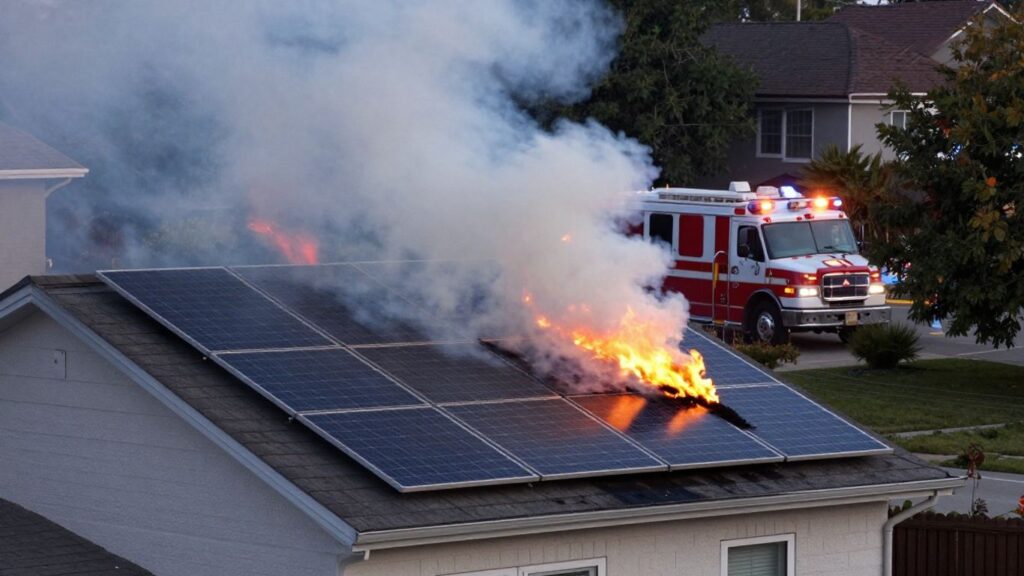
Solar batteries are helpful, but they come with some risks. Here are five key things to remember if you want to keep your home safe from a solar battery fire.
Key Takeaways
- Thermal runaway is the main cause of solar battery fires, often triggered by overheating or damage.
- Professional installation and regular maintenance are the best ways to lower fire risk.
- Look out for warning signs like swelling, odd noises, or heat around your battery.
- The garage is usually the safest spot for a home battery—keep it away from living areas.
- Always follow Australian Standards and call an expert if you notice anything unusual.
Understanding Solar Battery Fire Risks
Look, solar batteries are fantastic for the environment and can save you a bit on power bills, but like anything with a lot of stored energy, they aren’t entirely without risk. We’re talking about lithium-ion technology here, and while it’s pretty safe these days, things can go wrong. It’s not like leaving a candle burning, but it’s definitely something to be aware of.
The Primary Hazard: Thermal Runaway Explained
This is the big one. Thermal runaway is basically a chain reaction inside a battery cell. It starts when a cell gets too hot, maybe due to a defect or overcharging. This heat causes the chemicals inside to break down, which releases more heat, and so on. It can get really intense, producing smoke, toxic gases, and even flames. It’s the main reason why battery fires can be so hard to control.
Manufacturing Defects and Their Role
Sometimes, the problem starts right at the factory. Tiny flaws, like a bit of contamination during production or a microscopic tear in the separator between the battery’s positive and negative parts, can create a weak spot. These defects might not cause any trouble for months or even years, but eventually, they can lead to an internal short circuit and kick off that thermal runaway we just talked about.
Installation Errors Leading to Fire
How the battery is put in matters a lot. If it’s not wired up correctly, or if connections are loose, that can create resistance and heat. Putting the battery too close to flammable stuff, or not giving it enough space to breathe (ventilation), can also be a problem. Proper installation by someone who knows their stuff is key to avoiding these issues.
External Damage and Battery Integrity
Think about what could happen to the battery from the outside. A good knock, like from a falling branch or even a clumsy mower, could damage the casing. Water getting in, especially from a leaky roof, is another big worry. Moisture can corrode connections and mess with the internal electronics, potentially leading to faults that could cause a fire down the track. It’s why ensuring a watertight roof installation is so important.
Even small issues, like a tiny scratch on the battery casing or a bit of dust getting into a connection, can sometimes be the start of a bigger problem down the line. It’s all about keeping the system sealed and protected from things that could compromise its internal workings.
Comparing Solar Battery Fires to Household Incidents
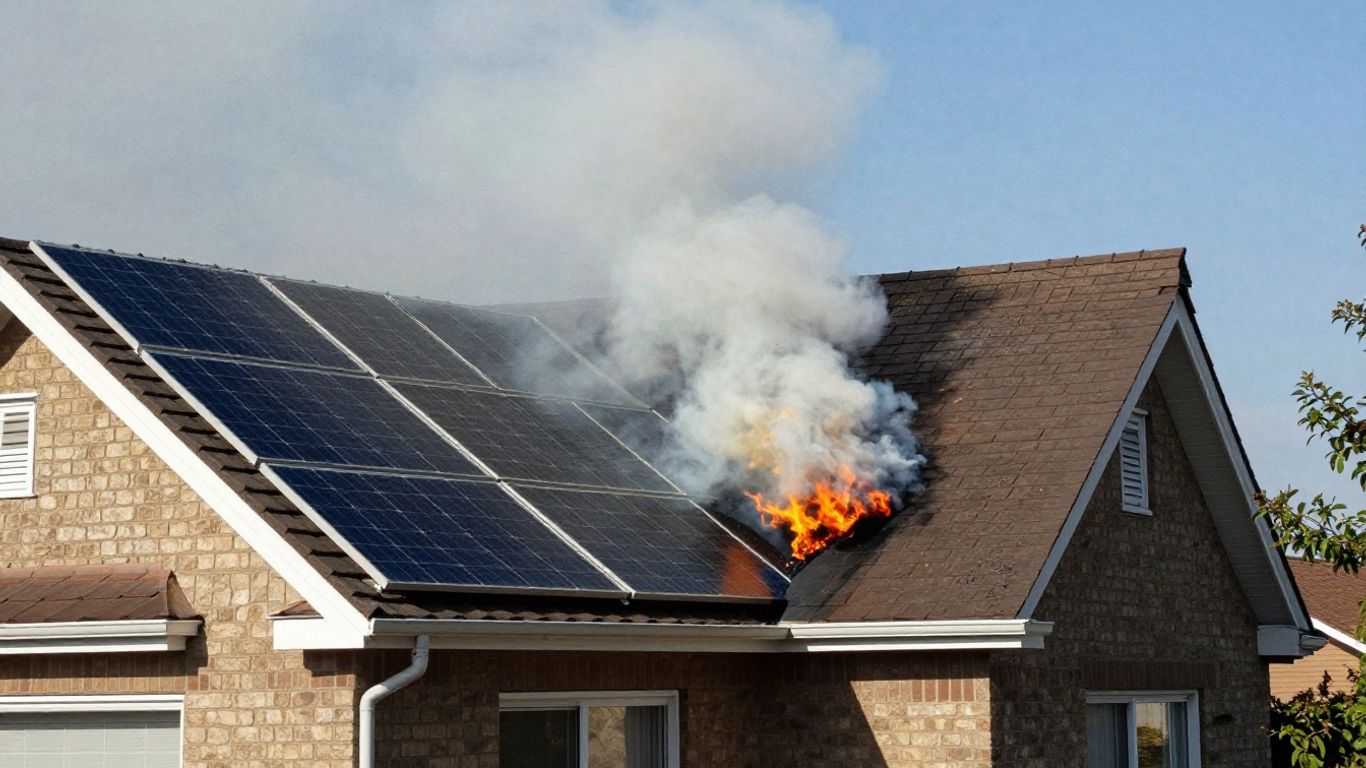
When we talk about solar battery fires, it’s easy to get a bit spooked. But how do they stack up against the usual household fire culprits? It’s important to get a bit of perspective here. While any fire is serious business, solar battery fires aren’t as common as, say, a kitchen mishap or faulty wiring in your old toaster. The good news is that when installed and maintained correctly, the risk is quite low.
Frequency of Solar Battery Fires
Let’s be straight: fires caused by solar batteries are rare. Think about all the things that can go wrong in a house – cooking accidents, candles left burning, overloaded power boards. Compared to those everyday risks, a solar battery fire is a much less frequent event. However, when they do happen, they can be quite intense.
Unique Challenges of Battery Fires
Battery fires are a bit different from your standard house fire. For starters, they can release some nasty, toxic gases. Plus, putting them out can be tricky. Unlike a regular fire that you might be able to tackle with a fire extinguisher, battery fires can sometimes reignite even after they seem to be out. This is why specialised knowledge is needed for firefighting.
Here’s a quick rundown of what makes them different:
- Toxic Fumes: Lithium-ion batteries can release harmful gases when they burn.
- Reignition Risk: They can flare up again even after the flames appear to be gone.
- Specialised Extinguishing: Water can be used, but it needs to be applied correctly by trained professionals to cool the battery and prevent spreading.
Intensity and Extinguishing Difficulties
Because of the energy packed into those battery cells, a solar battery fire can get seriously hot and burn for a while. This intensity makes them hard to control. Firefighters often need specific tactics and equipment to deal with them safely. It’s not like putting out a small rubbish bin fire; these require a more considered approach. For instance, fire statistics show that while electric vehicles have their own fire risks, home battery systems also need careful consideration.
The energy density in modern batteries means that a fire can escalate quickly. This requires a different approach to firefighting compared to more conventional household fires. Proper ventilation and cooling are key, but also challenging to achieve in a contained space.
Warning Signs of an Unsafe Solar Battery
Even with the best intentions and top-notch installation, sometimes things can go wrong with your solar battery system. It’s not something you want to ignore, so keeping an eye out for warning signs is a smart move. Paying attention to these indicators can help you catch potential problems before they escalate into something serious.
Visual Indicators of Battery Problems
Sometimes, the battery will tell you something’s up just by looking at it. Keep an eye out for:
- Swelling or bulging: If the battery casing looks like it’s puffing out, that’s a bad sign. It usually means there’s internal pressure building up.
- Discolouration: Any weird brown or black marks on the battery, especially around connections or terminals, could indicate overheating or corrosion.
- Corrosion: Look for a white or greenish powdery substance around the battery terminals. This suggests a chemical leak or moisture getting in.
- Physical damage: Dents, cracks, or any obvious damage to the battery casing or its mounting system means it’s compromised.
Auditory Clues of Internal Failures
Your ears can be a good alert system too. If you hear any of these sounds coming from the battery unit, it’s time to get concerned:
- Hissing: This can be a sign of gas escaping from the battery cells.
- Popping or crackling: These sounds often point to electrical arcing or internal short circuits.
- Buzzing: A persistent, unusual buzzing might indicate an electrical fault.
Temperature Anomalies and Performance Changes
How your battery feels and how it performs are big clues. A battery that’s unexpectedly hot to the touch, even when it’s not actively charging or discharging, is a major red flag. You might also notice:
- Reduced capacity: If your battery isn’t holding as much charge as it used to, or seems to drain faster.
- Slower charging: It’s taking significantly longer to charge up than it normally would.
- Frequent error messages: The battery management system is constantly throwing up alerts or fault codes.
- Unusual warmth: The battery unit feels significantly hotter than usual during operation.
If you notice any of these signs, it’s best to get a professional to check it out. Trying to fix it yourself could be dangerous, especially with the stored energy involved. It’s always better to be safe than sorry when it comes to electrical safety.
Sometimes, external factors can also hint at trouble. Look for any unusual smells, like a strong chemical or burning odour, or signs of moisture around the battery installation. These could indicate electrolyte leaks or other internal issues that need immediate attention. Remember, damaged batteries can retain a charge and pose a risk of reignition, so don’t delay in seeking expert advice if you suspect a problem with your solar battery system.
Preventing Solar Battery Fires: Proactive Measures
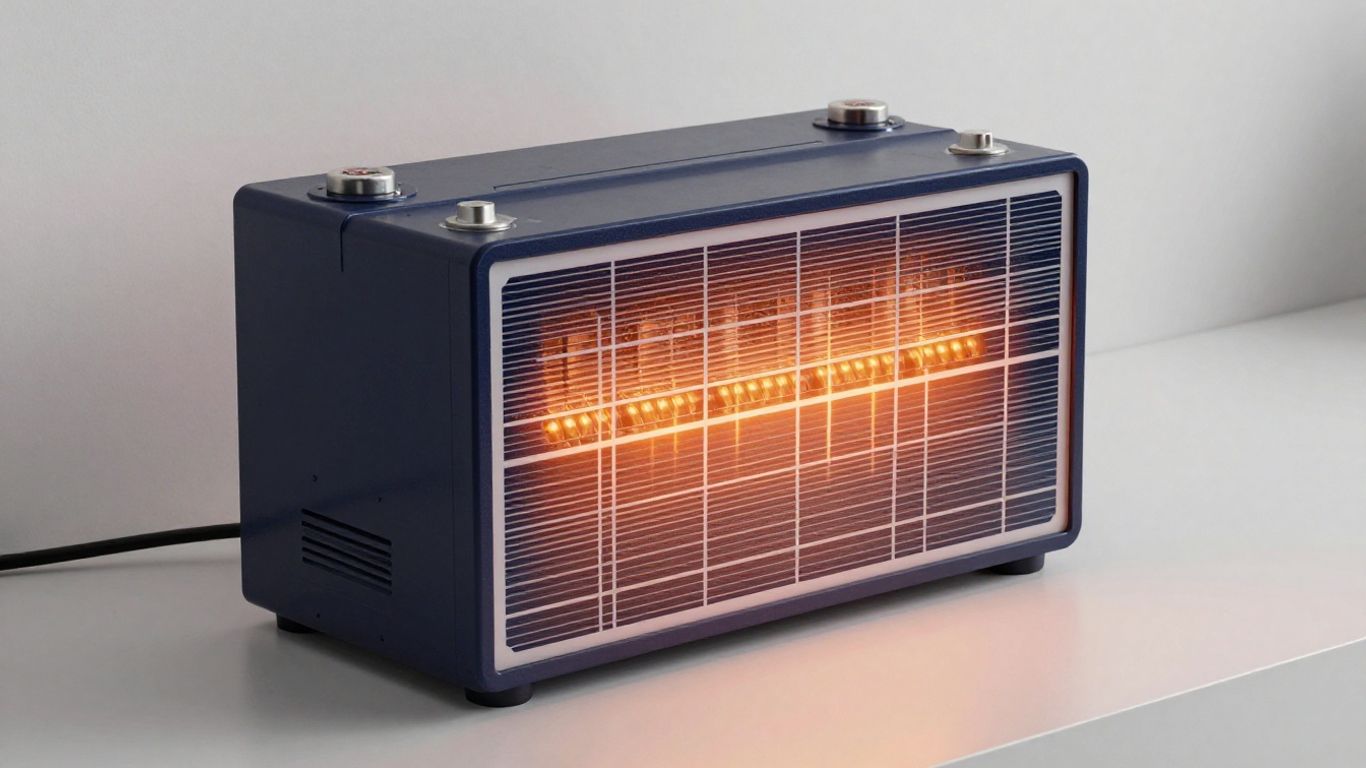
No one really gives much thought to solar battery fire safety—until they have to. But it pays off to be proactive and think about these things before installing a system. Here are some practical steps you can take to reduce the fire risks associated with home solar batteries.
The Importance of Professional Installation
Getting your solar battery system installed by a licensed professional is not just recommended—it’s the safest approach. Professionals know how to wire everything correctly, spot possible hazards, and set up your system in line with electrical regulations. Trying to do it all yourself, or hiring a cheap handyman, just increases the chance of something going wrong.
- Licensed installers are trained for electrical work and fire safety.
- Quality work includes secure cable connections, correct polarity, and reliable earthing.
- Accredited installers often have insurance and warranties you can count on.
Mistakes during installation, even small ones, can cause big headaches down the track, from system faults to real fire risk. It’s worth getting the right people on the job.
Ensuring a Watertight Roof Installation
Water and electricity simply don’t mix. Any spot where wiring passes through the roof is a potential entry for leaks, and even a little water around batteries is playing with fire.
Here’s what careful installers will always do:
- Seal any holes or penetrations to keep water out for the long term.
- Use proper mounting and flashing designed for roof battery systems.
- Check for gaps during and after installation—prevention is easier than repairing after a leak.
Utilising Fire-Rated Enclosures
Fire-rated enclosures act like a shield for your battery. These cabinets or boxes stop flames from spreading and can often buy you enough time to catch smoke or odours before a full-on fire. Look for cabinets that not only resist fire, but also include auto shut-off tech or inbuilt temperature checks.
| Enclosure Feature | Why It Matters |
|---|---|
| Fire Resistance | Slows/reduces spread of flames |
| Thermal Protection | Shields battery from extreme heat |
| Sealed Compartments | Helps contain leaks or fumes |
| Alarm/Auto Disconnects | Offers failsafe against overload |
Installing these in a separate area from your main living space is a common-sense step for added safety. You can explore more about these safety enclosures in fire-rated and thermally protected enclosures.
Ventilation and Temperature Control Strategies
The inside of a battery cabinet or room can get really hot under the Aussie sun, and heat is the enemy when it comes to lithium batteries. A good ventilation strategy is simple but often overlooked:
- Make sure there’s enough airflow around your battery – not packed tightly next to walls or other devices.
- Use fans or vents in enclosed cabinets, or pick a battery that comes with built-in cooling.
- Avoid placing batteries near ovens, water heaters, or anywhere direct sunlight streams in.
Consistent airflow and managed temperatures help prevent battery overheating, lowering your fire risks.
Remember, even with all these precautions, regular maintenance is your backup plan. Scheduled inspections will pick up on new risks, dust build-up, or dodgy connectors before things get serious. Staying on top of checks means your system stays safe—today and every day after.
For even more insights on managing fire hazards in battery systems, consider safe management tips for battery energy storage.
Installation and Maintenance Pitfalls to Avoid
Look, getting a solar battery system is a big step, and while they’re generally safe, how it’s put in and looked after makes a massive difference. It’s not just about plugging it in; there’s a bit more to it than that, and cutting corners here can lead to real headaches, or worse.
Common Installation Errors
This is where a lot of problems start. The biggest culprit is often improper installation. Think about it: these systems are high-voltage and need to be connected just right. Things like loose wiring, using the wrong size cables, or not grounding the system properly can cause all sorts of issues, from the battery not working efficiently to overheating and electrical sparks. It’s why you really need to avoid common solar battery installation mistakes to prevent energy loss, frequent outages, and electrical hazards. Ensure proper connections are made, and that the wiring gauge is correct. It’s not a DIY job for most people, and using someone who hasn’t done this specific type of work before is a gamble.
The Role of Australian Standards
Australia has specific rules for this stuff, and they’re there for a reason. We’ve got standards like AS/NZS 3000, which is all about electrical safety, and AS 5139, which is specifically for battery storage systems – covering how they should be designed, where they can go, and what fire protection is needed. Not following these isn’t just a paperwork issue; it can void your warranty, cause insurance problems, and, most importantly, make your system unsafe. It’s worth checking that your installer is up to speed with these requirements.
Routine Maintenance for Safety
Once the system is in, the job isn’t done. Batteries need a bit of TLC to keep running safely. Dust and grime can build up, blocking airflow and making the battery hotter than it should be. Little critters might decide to nest in there, causing their own set of problems. Regular check-ups by a qualified person are a good idea. They can make sure the fans are working, all the cables are still tight, and the cooling systems are doing their job. It’s about catching small issues before they turn into big ones.
Keeping your solar battery system in good nick involves more than just letting it do its thing. Regular checks, especially for things like airflow and connections, are key. It’s easy to forget about it once it’s installed, but a bit of attention can go a long way in preventing trouble down the track.
Responding to Solar Battery System Concerns
So, your solar battery system is acting a bit funny. What do you do? It’s not like you can just whack it with a spanner and hope for the best. Dealing with these systems needs a bit more care, especially when it comes to safety. Let’s break down how to handle things, from minor wobbles to more serious worries.
Addressing Minor System Issues
Sometimes, you might notice your system isn’t performing quite as expected, or maybe a notification pops up on your monitoring app. Don’t panic just yet. The first step is always to document what you’re seeing. Note down any error codes, unusual readings, or changes in performance. Then, have a look at your system’s monitoring display – it often gives clues. The most important thing here is to call in the professionals if you’re unsure. Trying to fix things yourself without the right know-how can actually make the problem worse, or worse, create a safety hazard. A qualified technician can assess the situation properly and tell you what’s what.
Handling Moderate Safety Concerns
If you’re noticing things like the battery area feeling unusually warm, hearing strange noises (think hissing or popping), or seeing a dip in performance that seems more than just a blip, it’s time to take more decisive action. In these cases, it’s best to safely shut down the system. Make sure you follow the correct shutdown procedures for your specific model. If possible, isolate it from the main electrical connections. Keep the area well-ventilated and, importantly, restrict access to the battery until a professional can take a look. This isn’t the time for guesswork; it’s about managing the risk until an expert can give it the once-over. You can find more information on common issues and preventative measures at solar system checks.
Emergency Procedures for Visible Damage
Now, if you see actual damage, like cracks in the casing, signs of leakage, or if there’s a strong, unusual smell, you’re in emergency territory. This is when you need to act fast. Your priority is to get yourself and anyone else out of the immediate vicinity. Don’t try to be a hero and tackle it yourself. Call your local emergency services straight away. They have the training and equipment to handle situations like this safely. Standard firefighting methods might not be suitable, and attempting to fight a battery fire without the right gear can be incredibly dangerous. Remember, your safety and the safety of those around you come first. For general solar panel troubleshooting, you might find identifying solar panel problems helpful, but always remember that battery issues require specialised attention.
When dealing with any solar battery concern, big or small, documentation is your best friend. Keeping a record of issues, what you did, and any professional advice received is vital. This helps track problems, informs future maintenance, and can be important for insurance purposes if something does go wrong.
Choosing Safe Solar Battery Locations
Picking the right spot for your home solar battery isn’t just about convenience; it’s a major safety decision. Think of it as the first line of defence against potential problems. Getting this wrong can lead to bigger headaches down the track, so it’s worth taking your time and getting it right.
Core Fire Risks in Home Batteries
Before we even talk about where to put it, you need to know what you’re up against. The main worry is something called ‘thermal runaway’. Basically, a battery cell gets too hot, can’t cool down, and then heats up its neighbours. This can kick off a fire. Plus, these batteries can let off flammable gases. If these gases build up in a tight, unventilated space, they can create an explosive mix. Another sneaky risk is ‘stranded energy’. Even after a fire, a damaged battery can still hold a charge, meaning it could reignite later on. Understanding these risks is key to making smart placement choices.
Recommended Indoor Placement: The Garage
For most homes, the garage is the top pick for an indoor battery location. Garages are usually built with concrete floors and aren’t living spaces, which ticks a lot of safety boxes straight away. They generally have better airflow than inside the main house, helping to keep the battery cool. If your battery is going in a garage, make sure it’s not in a spot where a car could bump into it. You might need some protective bollards installed for that extra bit of safety. It’s a good idea to have a chat with your installer about the best spot within the garage itself, considering things like proximity to your main electrical panel and any potential water sources. You can find more tips on safe installation practices here.
Understanding Stranded Energy Dangers
Stranded energy is a bit of a hidden danger with solar batteries. Even if a battery looks dead or has been involved in a fire, it can still store a significant amount of electrical energy. This stored power can be a problem because it might cause a fire to restart hours or even days after the initial incident. This is why it’s so important to have a professional assess any battery that’s been damaged or involved in a fire, rather than trying to deal with it yourself. They have the right gear and knowledge to handle that residual risk safely. Never put a battery in places like bedrooms or hallways, as these are critical escape routes and should be kept clear in an emergency [4061].
Here’s a quick rundown of what to avoid:
- Living Areas: Never in bedrooms, kitchens, or living rooms.
- Small, Enclosed Spaces: Avoid closets or wall cavities where air can’t move.
- Escape Routes: Keep hallways and stairwells clear.
Choosing the right location is more than just ticking a box; it’s about actively protecting your home and family from potential hazards. Always consult with your certified installer to ensure the chosen spot meets all safety requirements and is suitable for your specific home setup.
Conclusion
Solar battery fire risks might sound scary, but with the right steps, you can keep your home safe. Most of the time, fires happen because of poor installation or damage, not just bad luck. If you spot any odd smells, sounds, or changes in your battery, don’t ignore them. Regular checks, following rules, and picking a good spot for your battery go a long way. If you ever feel unsure, call a professional. It’s always better to be safe than sorry when it comes to electricity and fire.
Frequently Asked Questions
What is a solar battery fire?
A solar battery fire happens when the battery overheats or gets damaged, causing it to catch fire. This is rare, but it can be dangerous.
How can I tell if my solar battery is unsafe?
Check for swelling, weird smells, strange noises, or if the battery feels too hot. If you see any of these, get help right away.
Can I put out a solar battery fire with water?
No, don’t use water. Battery fires need special equipment. Call the fire brigade and keep away from the area.
Where is the best place to install my solar battery?
The garage is usually the safest place. It keeps the battery away from bedrooms and living rooms and is easier to keep cool.
Do solar battery fires happen often?
No, they are pretty rare. Most fires are caused by mistakes during installation or damage to the battery.
What should I do if my battery system starts acting weird?
Turn it off if it’s safe, keep away from the battery, and call a professional to check it. Don’t try to fix it yourself.