
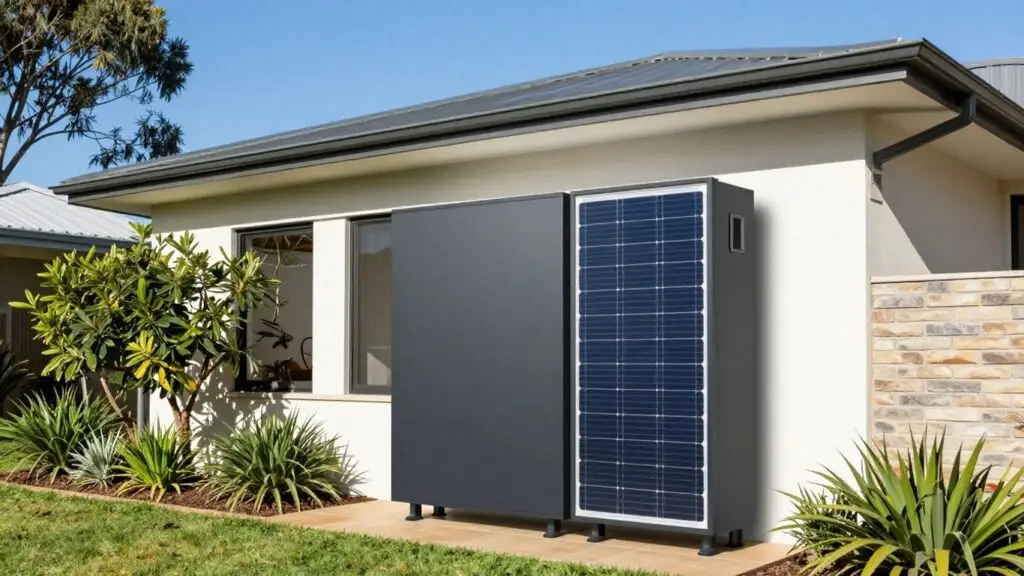
To help you get the best deal on a solar battery for your home, here are the main things to remember. It’s all about being smart and informed before you sign anything.
Key Takeaways
- Always get at least three detailed quotes from different installers.
- Check that your installer is accredited and has good reviews.
- Understand all the costs, warranties, and what’s included in the quote.
- Be wary of deals that seem too good to be true – they often are.
- Consider battery size, cycle life, and backup power needs for your home.
Understanding Your Solar Battery Quote
So, you’re looking into getting a solar battery for your place? That’s a smart move, especially with the way electricity prices are going. But before you jump in, you’ve got to get your head around the quotes you’ll be getting. It’s not just about the final price; there’s a fair bit of detail in there that can make a big difference to your investment.
What to Look For in a Formal Quote
First off, make sure you’re getting a proper, printed document from the company. No scribbled notes on a napkin, alright? This formal quote should have the company’s details clearly laid out. It needs to be an itemised list of everything – all the costs, the parts, the labour, and yes, even the GST. Don’t accept anything less than a clear breakdown.
Here’s a quick checklist for your quote:
- Company Details: Name, address, contact info.
- Itemised Costs: Every single expense, including GST.
- Component Specifications: Brand, model, quantity, and warranty for panels, inverter, and battery.
- Installation Details: Who is doing the work (in-house or subcontractor)?
- Timeline: Estimated dates for supply and installation.
- Rebates & Discounts: Any government incentives clearly stated.
- Payment Terms: Deposit, payment schedule, and how long the quote is valid.
- After-Sales Service: What’s included post-installation?
Itemised Costs and Component Specifications
This is where you really need to pay attention. The quote should list every single component that makes up your system. We’re talking about the solar panels (brand, model, wattage), the inverter (type, capacity), and of course, the battery itself (brand, model, capacity in kWh, and its power output in kW). Don’t just see a total price; see what makes up that price. For example, a 10 kWh battery might add anywhere from $8,000 to $10,000 to the cost of your solar panels. It’s also worth noting if you need a new hybrid inverter to make the battery work with your existing panels, as this can add a few thousand dollars to the bill.
| Component | Brand/Model | Quantity | Warranty |
|---|---|---|---|
| Solar Panels | [Example Panel Brand] | 20 | 25 Years |
| Hybrid Inverter | [Example Inverter Brand] | 1 | 10 Years |
| Battery Storage | [Example Battery Brand] | 10 kWh | 10 Years |
Understanding Warranties and After-Sales Service
When it comes to warranties, there are a few types to consider. You’ve got product warranties, which cover defects in the manufacturing of the components. Then there are performance warranties, especially for batteries, which guarantee a certain level of capacity after a set number of years or cycles. For instance, a battery might be guaranteed to retain at least 80% of its original capacity after 10 years. It’s also important to understand what happens after the installation. What kind of support does the company offer if something goes wrong? Are they local? Do they have a clear process for troubleshooting or repairs? This after-sales service can be a lifesaver down the track, so don’t overlook it. A good installer will be upfront about their support options.
Getting multiple quotes is really the best way to compare apples with apples. It stops you from being locked into one company’s pricing and gives you a better chance of finding a system that truly fits your needs and budget. Don’t be afraid to ask questions about anything you don’t understand in the quote; it’s your home and your money, after all.
Remember, using your battery at night to avoid peak tariffs can lead to significant savings. If your peak rate is $0.55 per kWh and your feed-in tariff is $0.03 per kWh, you’re effectively saving $0.52 per kWh every time you use stored solar power instead of grid electricity during off-peak hours.
Choosing Reputable Installers for Your Quote
Finding the right person to install your solar battery is almost as important as the battery itself. You don’t want some cowboy rocking up and doing a dodgy job, right? It’s a big investment, and you want it done properly. So, how do you make sure you’re picking a good egg?
Checking Installer Accreditation and Experience
First things first, check their credentials. You want to make sure they know what they’re doing and that they’re following all the rules. The Clean Energy Council (CEC) is the main body here in Australia. They have a list of approved components and installers. It’s a good sign if they’re using CEC-approved gear. Also, look into how long they’ve actually been installing solar systems. Someone who’s been around for a while probably knows their stuff. It’s also a condition for getting government rebates, so if they aren’t accredited, you might miss out on those savings.
Here’s a quick checklist:
- SAA Accreditation: Are they properly accredited for home batteries? This is a big one for safety.
- NETCC Approval: Check if they’re approved by the National Electrical and Communications Association.
- Years in Business: How long have they been installing solar? More experience is generally better.
- CEC Accreditation: Ensure they and their components are recognised by the Clean Energy Council.
Researching Companies and Their Online Reviews
Once you’ve got a few names, do a bit of digging online. See what other people are saying about them. Websites like SolarQuotes have heaps of reviews from real customers. Don’t just look at the star ratings, read the comments. Are people happy with the installation? What about after-sales service? Also, check the Australian Business Register for their ABN. If a company suddenly popped up right when battery rebates started, that might be a bit of a red flag. You want a company that’s been around and has a solid track record.
A company’s online presence can tell you a lot. Look for detailed information, customer testimonials, and how they respond to feedback, both good and bad. It shows they care about their reputation and their customers.
The Importance of Local Australian Presence
It’s always a good idea to go with a company that has a local office and a phone number you can actually call. If something goes wrong down the track, you don’t want to be chasing some faceless organisation overseas. Having a local presence means they’re more likely to be accountable and available for any follow-up or warranty issues. Plus, they’ll understand the specific conditions and regulations here in Australia. It’s also a good sign if they can come to your home to give you a proper quote. They can check out your roof, see any potential issues, and make sure the installation is safe and sound. This kind of on-site assessment is pretty important for getting the quote right and avoiding surprises later on. It’s all about making sure your data governance is solid, just like with your energy system. Microsoft Fabric can help with that, but for solar, local installers are key.
Key Factors When Comparing Solar Battery Quotes
So, you’ve got a few quotes in hand and you’re ready to compare. That’s great! But what exactly should you be looking at beyond the bottom line? It’s not just about the cheapest price, you know. There are a few really important things to consider to make sure you’re getting a system that’s right for your home and will last.
Battery Size and System Compatibility
First up, let’s talk about battery size. This is basically how much energy the battery can store. A tiny battery paired with a massive solar array just won’t cut it, and vice versa. You need a system that’s balanced. Think about your energy usage – are you home most of the day, or do you just need power for the evenings? This will help determine the right capacity for you. It’s also about making sure the battery works well with your existing or planned solar panels and inverter. Not all batteries play nicely with all systems, so check for compatibility.
Cycle Life and Long-Term Reliability
Next, have a look at the ‘cycle life’. This tells you how many times the battery can be fully charged and discharged before it starts to degrade. Most batteries offer between 4,000 and 6,000 cycles, which sounds like a lot, but it’s worth understanding what that means for the lifespan of your system. Some battery chemistries, like Lithium Iron Phosphate (LFP), are known to last well beyond their warranty period, which is a good sign for long-term reliability. You want a battery that’s going to keep performing for years to come, not one that’s going to conk out after a few.
Functionality and Backup Power Needs
Does the battery do what you actually need it to do? This is a big one. If you’re looking for backup power during blackouts, not all batteries are set up for that. Some systems are designed purely for energy shifting (using solar power at night), while others can provide essential power to your home when the grid goes down. Make sure the quote specifies if backup power is included and what circuits it will cover. It’s also worth checking out how solar batteries work to get a better grasp on their capabilities.
Don’t just focus on the brand name or the latest tech. Think about your specific household needs and how the battery’s features align with them. A fancy battery that doesn’t meet your core requirements is just a waste of money.
Here’s a quick rundown of what to check:
- Capacity (kWh): How much energy it stores.
- Power Output (kW): How much energy it can deliver at once.
- Cycle Life: How many charge/discharge cycles it’s rated for.
- Warranty: What’s covered and for how long (product and performance).
- Backup Capability: Can it power your home during an outage?
- Compatibility: Does it work with your solar inverter and panels?
Comparing these factors will help you see past the sticker price and find a solar battery that offers genuine value and meets your household’s energy goals. Remember, getting multiple quotes is key to understanding the market and negotiating the best deal for your solar battery storage needs.
Navigating the Solar Battery Quote Process
Getting a solar battery is a big step, and like any big decision, it pays to be thorough. You wouldn’t buy a car without test driving a few, right? Same goes for batteries. The process might seem a bit much at first, but it’s really about making sure you get the best deal for your home and your wallet.
Why Getting Multiple Quotes is Essential
Seriously, don’t just go with the first company that rocks up. Getting at least three detailed quotes is non-negotiable. Why? For starters, it shows you the range of prices out there. You might be surprised at how much the costs can vary for similar systems. It also gives you a bit of muscle if you want to haggle – if one quote is significantly higher, you can point to another and see if they can match it. Plus, talking to different installers means you get to hear different ideas about system design and what might work best for your specific roof and energy habits. It’s a good way to suss out who really knows their stuff and who’s just trying to make a quick buck. If you’re unsure when a solar battery is the right choice for your home, checking out when a solar battery is a good idea can help clarify things.
Avoiding Dodgy Tactics and Super Cheap Deals
We’ve all seen those ads for ridiculously cheap solar deals. While tempting, they often come with hidden catches. Be wary of quotes that seem too good to be true. Sometimes, these super cheap offers mean the installer is cutting corners on the quality of the components, using cheaper, less reliable brands, or even planning to upsell you later. Always make sure your quote is a formal, printed document from the company, not a scribbled note. It should clearly list every single part, the labour costs, and include GST. If a company pressures you to sign on the spot or uses high-pressure sales tactics, that’s a big red flag. Remember, reputable installers are happy to give you time to consider your options.
Understanding Government Rebates and Discounts
Australia has various government incentives and rebates designed to make solar and battery systems more affordable. These can significantly reduce the upfront cost. However, the rules and availability of these can change, and different installers might handle them differently. Make sure your quote clearly outlines any applicable rebates, like the Small-scale Technology Certificates (STCs), and how they’ve been applied to reduce the total price. Don’t assume everyone is offering the same discount. It’s worth doing a bit of homework yourself to understand what you’re eligible for, so you can spot any discrepancies in the quotes you receive. Some providers might even have specific programs to help lower the initial outlay, so it’s worth asking about cheaper home battery options if you’re a first-time buyer.
Maximising Value from Your Solar Battery Investment

So, you’ve got your quotes, and you’re looking at the numbers. But how do you actually make sure you’re getting the most bang for your buck with a solar battery? It’s not just about the sticker price, you know. We need to think about the long game here.
Assessing Value for Money Over Price
Look, nobody wants to overspend, but the cheapest option isn’t always the best. Think about it like buying a car. A cheap car might get you from A to B, but will it last? Will it need constant repairs? With batteries, it’s similar. A battery that costs a bit more upfront but lasts longer and performs better is often better value in the long run. We’re talking about a system that’s going to be part of your home for years, so durability and performance really matter.
Here’s a quick rundown of what to consider when you’re weighing up value:
- Lifespan: How long is the battery actually expected to last? Some batteries have warranties for 10 years, but their actual usable life might be longer, especially if they use LFP (Lithium Iron Phosphate) chemistry. This is a big one for long-term savings.
- Performance Warranty: This usually relates to how much capacity the battery will retain over its warranty period. A battery that guarantees 80% capacity after 10 years is better than one that only guarantees 60%.
- Cycle Life: This tells you how many times the battery can be fully charged and discharged. More cycles generally mean a longer-lasting battery. Most good ones offer between 4,000 and 6,000 cycles.
- Efficiency: How much energy is lost during charging and discharging? A more efficient battery means less wasted power and more savings.
Considering the Australian Market Presence
When you’re looking at different brands, it’s a good idea to see if they have a solid presence right here in Australia. Why? Well, if something goes wrong, or you have questions, it’s a whole lot easier to deal with a company that has local support. You can talk to someone who understands the Australian market and your specific situation, rather than trying to get hold of someone overseas. It also shows they’re serious about being here for the long haul, not just a fly-by-night operation. This can make a big difference when it comes to getting support for your system.
The Role of Performance and Product Warranties
Don’t just glance at the warranty details; really dig into them. A product warranty covers defects in the manufacturing, usually for about 10 years. But the performance warranty is where you see how the battery is expected to hold up over time. It often specifies a minimum retained capacity after a certain number of years or cycles. For example, a 10-year performance warranty might guarantee that the battery will still hold at least 70% of its original capacity. This is a key indicator of the battery’s long-term reliability and how much energy you can expect to get from it year after year.
It’s also worth noting that how you use the battery can affect its lifespan and warranty. Regularly draining it completely or charging it to 100% all the time might shorten its life compared to keeping it within a more moderate charge range. Some systems allow you to set these parameters, which can be a smart move for maximising its longevity. Understanding the projected costs and payback periods for different battery systems can also help you make a more informed decision about which one offers the best long-term value.
Conclusion
Getting a solar battery quote might seem like a big task, but it’s totally worth it. By doing your homework, asking the right questions, and comparing a few offers, you’ll be well on your way to saving money and using cleaner energy. Don’t rush the process, and remember that the cheapest deal isn’t always the best. Focus on quality, reliability, and a good installer, and you’ll be set for years of savings.
Frequently Asked Questions
What exactly is a solar battery quote?
A solar battery quote is like an offer from a company that installs solar batteries. It should list all the costs, the type of battery they plan to put in, how long the warranty is, and when they can do the job. Think of it as a detailed price breakdown for your new battery system.
Why should I get multiple quotes?
Getting a few quotes is like shopping around. Different companies might have different prices, use different brands of batteries, or offer slightly different installation plans. Comparing them helps you find the best value and makes sure you’re not overpaying. It also gives you a chance to see who seems most trustworthy.
What should I look for in a quote?
Make sure the quote is a proper document, not just scribbled notes. It needs to show all the costs clearly, including parts and labour. It should also name the exact battery and other gear being used, plus the warranty details. If they mention government help, that should be clear too.
How do I know if an installer is good?
You can check if they are properly certified for solar installations. Look them up online for reviews from other customers. A company that’s been around for a while and has a good reputation is usually a safer bet than a brand new one.
What is 'cycle life' and why does it matter?
Cycle life is how many times a battery can be fully charged and then used before it starts to lose its power. A higher cycle life means the battery will likely last longer. It’s a good indicator of the battery’s quality and how long you can expect it to work well.
Are there any government discounts I can use?
Yes, Australia has had government programs that offer discounts on solar batteries, making them more affordable. These rebates can change, so it’s important to ask your installer about any current government incentives you might be eligible for. They can help reduce the upfront cost quite a bit.