Here are the most important things to remember about Kia Soul EV battery degradation for Australian drivers:
Key Takeaways
- Battery degradation is normal but can be slowed down by smart charging and avoiding extreme temperatures.
- Charging to 80% most of the time is better for battery health than always charging to 100%.
- Frequent DC fast charging can speed up battery wear compared to slower Level 2 charging.
- Extreme heat is bad for your battery; try to keep your car in cooler spots when possible.
- Your Kia Soul EV’s warranty likely covers battery issues, so know the terms and get it checked if you’re concerned.
Understanding Kia Soul EV Battery Degradation
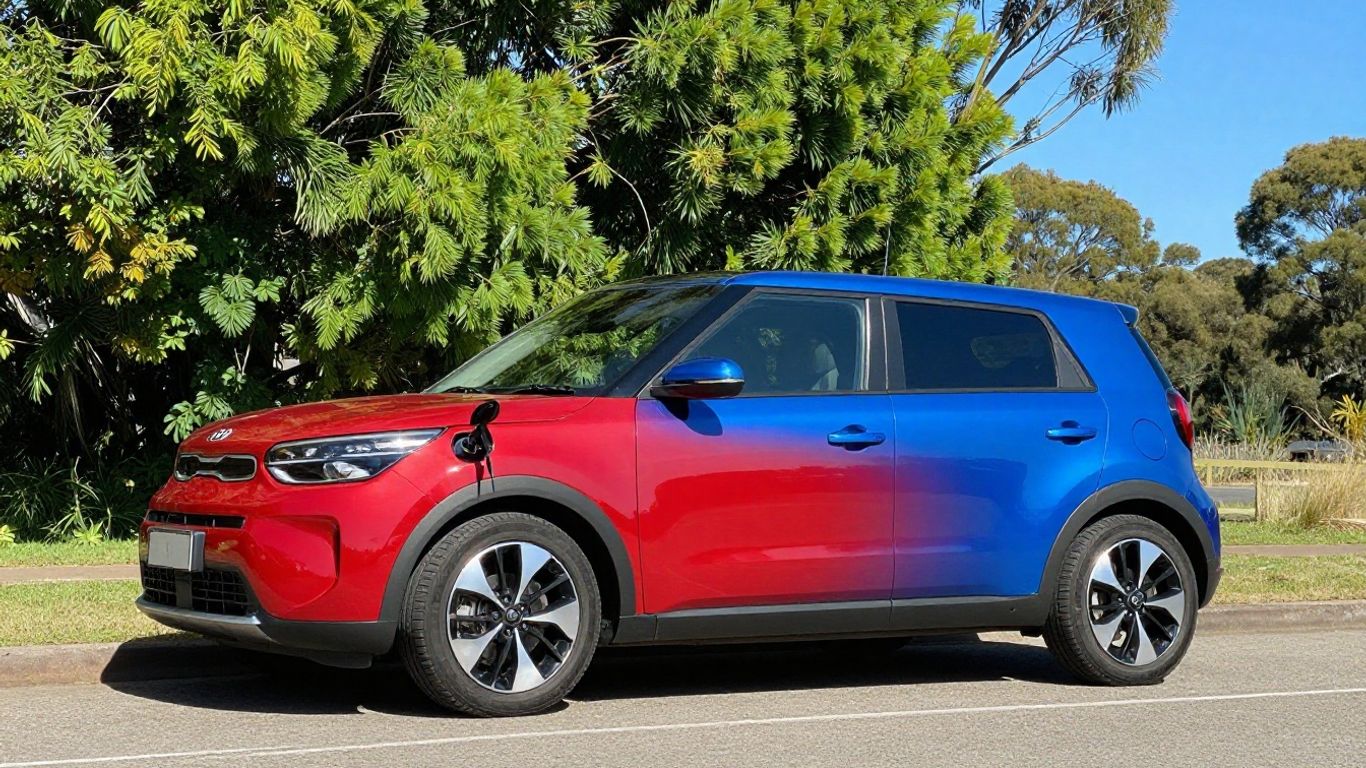
Alright, let’s talk about something that might be on your mind if you’re driving a Kia Soul EV, especially if it’s not brand new: battery degradation. It sounds a bit technical, but really, it just means your battery isn’t holding as much charge as it used to. Think of it like your phone battery after a couple of years – it still works, but you don’t get quite as much juice out of it.
What is Kia Soul EV Battery Degradation?
Basically, battery degradation is the natural process where a battery’s capacity to store and deliver energy slowly decreases over time and with use. For your Kia Soul EV, this means that over the years, you might notice a gradual reduction in the total range you can achieve on a full charge. It’s not a sudden failure, but more of a slow fade. This is a normal part of any rechargeable battery’s life, including the ones in electric cars. While it’s unavoidable, understanding it helps you manage expectations and care for your vehicle.
Factors Influencing Kia Soul EV Battery Health
So, what makes this degradation happen faster or slower? A few things play a role:
- Age and Mileage: Like anything, batteries get older and wear out with use. The more kilometres you clock up, the more the battery is cycled.
- Charging Habits: How you charge your Soul EV makes a big difference. Consistently charging to 100% or relying heavily on DC fast chargers can speed things up. Charging your electric vehicle (EV) to 100% frequently, especially when it’s hot, can accelerate battery degradation.
- Climate: Extreme temperatures, both hot and cold, aren’t great for battery health. If you live somewhere with scorching summers or freezing winters, your battery might degrade a bit quicker.
- Driving Style: Aggressive acceleration and braking can put more strain on the battery, though modern EVs are pretty good at managing this.
Real-World Kia Soul EV Battery Degradation Examples
It’s helpful to see what this looks like in practice. Some older first-generation Kia Soul EVs, after several years and around 100,000 km, have shown noticeable drops in their original battery capacity. For instance, a car that started with a usable capacity of around 26-27 kWh might end up with closer to 17 kWh. That’s a significant chunk, around 35% loss in some cases, meaning a noticeable reduction in driving range. While this sounds like a lot, it’s important to remember that EV batteries typically maintain high health even after significant use. It’s also worth noting that newer Kia Soul EV models often have better battery management systems and liquid cooling, which can help slow down degradation compared to older models.
It’s not uncommon for batteries to lose some capacity over time. The key is to understand the factors that influence this and how to minimise their impact to keep your Kia Soul EV running smoothly for as long as possible.
Assessing Your Kia Soul EV's Battery Condition
So, you’ve got a Kia Soul EV and you’re wondering how the battery’s holding up? It’s a fair question, especially if you’re looking at a used one or just want to keep yours in top shape. Understanding your battery’s health is key to knowing its remaining lifespan and performance.
Interpreting Battery Health Metrics
When we talk about battery health, we’re usually looking at ‘State of Health’ (SoH). This is basically a percentage that tells you how much capacity your battery has left compared to when it was brand new. For example, when buying a used EV in Australia, you might expect the battery to still have around 90% of its original juice. A quick check can confirm this, and it usually only takes about five minutes. You’ll often see this information presented as a percentage, like 90% SoH, or sometimes as a range, indicating the battery’s current usable capacity.
Signs of Significant Kia Soul EV Battery Degradation
How do you know if your battery’s seen better days? Well, there are a few tell-tale signs. The most obvious one is a noticeable drop in your driving range. If you used to get, say, 200km on a full charge and now you’re struggling to hit 150km, that’s a pretty clear indicator. You might also notice that the car doesn’t accelerate as quickly as it used to, or that the battery takes longer to charge than it did previously. Sometimes, you might even see warning lights pop up on the dashboard, though this is usually for more serious issues.
The Role of the On-Board Computer in Monitoring
Your Kia Soul EV’s on-board computer is actually a pretty smart bit of kit when it comes to keeping tabs on your battery. It’s constantly collecting data on how you’re driving, how much energy you’re using, and how the battery is performing. Most cars have menus where you can check things like your current range, energy consumption details, and even get an estimate of charging times. Some systems can even show you historical data, giving you a picture of how your driving habits have impacted the battery over time. This information can be super helpful for making adjustments to prolong your battery’s life. For instance, it can show you how often you’re charging to 100%, which isn’t always the best for long-term battery health. Keeping your battery charge between 20% and 80% for daily use is generally recommended to preserve its condition and extend its lifespan.
Impact of Charging Habits on Kia Soul EV Battery Life
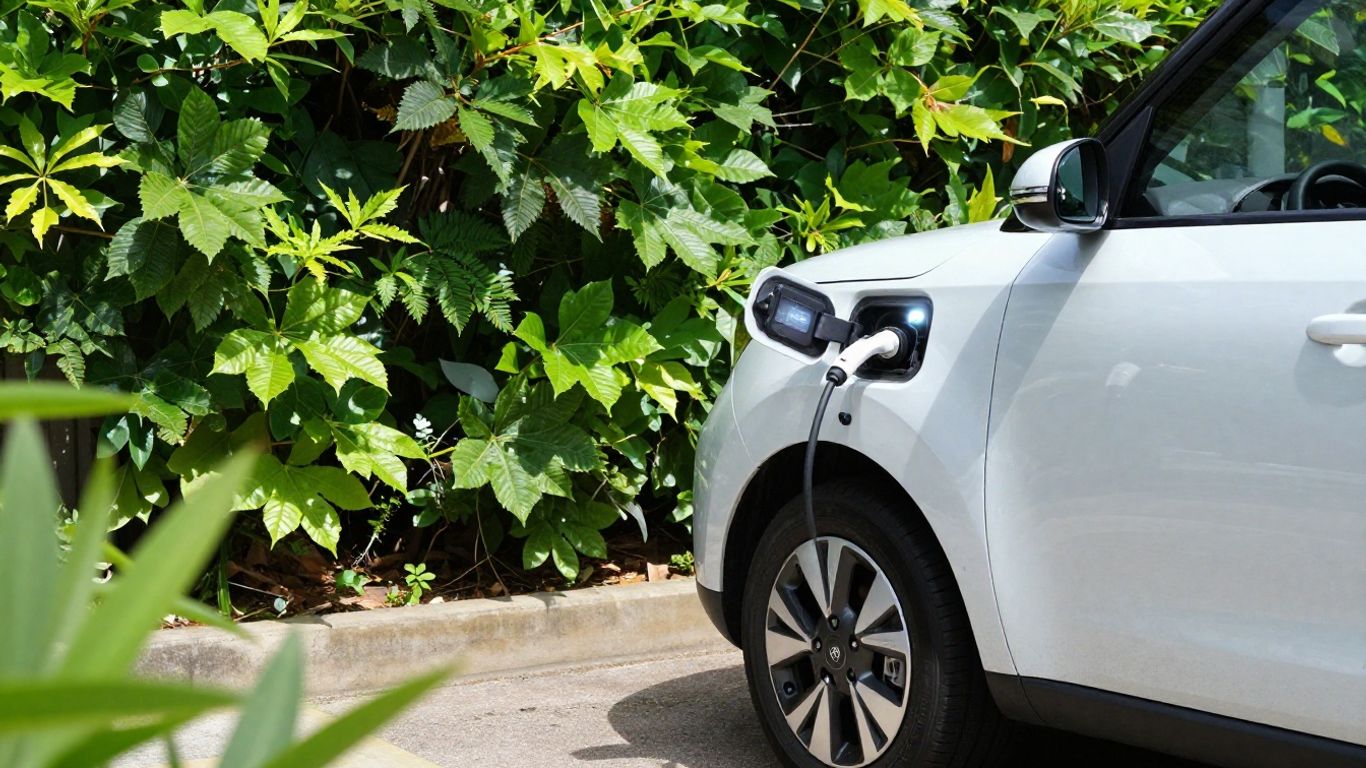
How you charge your Kia Soul EV can really make a difference to how long its battery lasts. It’s not just about plugging it in; it’s about how and when you plug it in. Think of it like looking after a phone battery – you wouldn’t leave it plugged in 24/7 at 100%, right? Your EV battery is similar, and treating it right can save you headaches down the track.
The Effects of DC Fast Charging
DC fast charging is a lifesaver when you’re in a hurry or on a long trip. It can give your Soul EV a significant boost of range in a short amount of time. For instance, you might get over 100km of range in about half an hour. That’s super handy! However, using DC fast chargers all the time isn’t ideal for the long-term health of your battery. The intense power can put a strain on the battery cells, potentially speeding up degradation over time. While it’s great for those occasional needs, relying on it daily might not be the best strategy for keeping your battery in top nick.
Optimising Level 2 Charging Practices
Level 2 AC charging, often found at home or public stations, is generally the sweet spot for your Kia Soul EV’s battery. It’s a gentler way to charge, which is much better for battery longevity. Making Level 2 charging your go-to method for daily top-ups is a smart move. It allows the battery to charge at a more controlled pace, minimising stress on the cells. This is the kind of charging that Hyundai is developing advanced battery technology to optimise, managing temperature and charge state for efficiency and longevity. This type of charging is your best bet for everyday use.
Understanding Charge Level Buffers
Keeping your battery’s charge level within a certain range is pretty important. Lithium-ion batteries, like the one in your Kia Soul EV, tend to perform best when they’re not constantly sitting at either extreme – fully charged or nearly empty.
Here’s a breakdown of what to aim for:
- Avoid 100% Regularly: While you might need a full charge for a long trip, try not to leave your car plugged in at 100% for extended periods. This puts extra stress on the battery. If you do charge to full, try to do it just before you plan to drive.
- The 20-80% Sweet Spot: For daily driving, keeping your battery charge between 20% and 80% is often recommended. This range minimises stress on the battery cells. Many EVs have settings to limit charging to 80% automatically.
- Don’t Linger at Lows: Similarly, leaving your battery below 20% for too long isn’t great either. While modern EVs have protections against deep discharge, consistently running it low can still contribute to wear.
It’s a bit like not running your phone down to 1% every single day. A bit of buffer at both ends seems to keep things happier for longer. This also leaves room for regenerative braking energy to be captured, which is a nice bonus.
So, while you don’t need to obsess over it, being mindful of your charging habits, especially favouring Level 2 charging and avoiding constant extremes, can really help your Kia Soul EV’s battery go the distance. For more on keeping your battery healthy, check out best practices for battery maintenance.
Environmental Factors and Kia Soul EV Battery Longevity
The weather outside can really mess with your Kia Soul EV’s battery, and not in a good way. Think about it – extreme heat or cold isn’t exactly ideal for delicate electronics, and your battery pack is no different. While modern EVs have systems to manage this, they aren’t foolproof, especially over the long haul.
The Influence of Extreme Temperatures
Australia’s climate can swing wildly, from scorching heatwaves in the Outback to surprisingly chilly nights down south. Both ends of the temperature spectrum can stress your Soul EV’s battery. High temperatures can speed up chemical reactions inside the battery, leading to faster degradation. On the flip side, very cold weather can temporarily reduce the battery’s performance and, if left like that for too long, can also contribute to wear and tear. It’s a bit of a balancing act.
Protecting Your Battery from Heat
Parking is your first line of defence. If you can, try to park in the shade or in a garage, especially during those brutal summer months. This simple act can significantly reduce the heat your battery absorbs. When you’re charging, try to do it during cooler parts of the day if possible. Some people even consider battery insulation or cooling systems, though for most Soul EV owners, smart parking and charging habits are the way to go. Remember, keeping your battery out of direct sunlight when it’s hot is key.
The Benefits of Moderate Climates
If you live somewhere with mild weather year-round, you’re already winning. A stable, moderate climate means your battery isn’t constantly fighting against extreme temperatures. This consistency is fantastic for battery health and can contribute to a longer lifespan. It’s one of those things you don’t think about until you’re dealing with the consequences of the opposite. For those in harsher climates, being mindful of these environmental factors is just part of owning an EV.
While your Kia Soul EV has built-in protections, they aren’t magic shields. Understanding how external conditions affect the battery allows you to make small adjustments that add up over time. It’s about working with your car, not against it.
Here’s a quick rundown of how temperatures can affect your battery:
- Hot Weather: Accelerates chemical degradation, can reduce immediate range.
- Cold Weather: Temporarily reduces performance, can impact charging speed, prolonged exposure can cause damage.
- Moderate Weather: Ideal for battery longevity, less stress on components.
It’s worth noting that the average EV battery degrades around 2.3% annually, but this can increase if exposed to harsh conditions frequently. Frequent use of high-power fast chargers can also add to this rate, so consider that alongside environmental impacts.
Maximising Your Kia Soul EV Battery's Lifespan
Driving an EV like the Kia Soul comes with the perk of fewer moving parts to service, but your battery still demands some attention if you want to get the most life out of it. Below are practical approaches and things to keep in mind. Small habits now can mean better range and fewer headaches down the track.
Best Practices for Battery Maintenance
- Keep your battery charge mostly between 20% and 80%. Avoid leaving it fully charged or fully empty for long periods.
- When possible, choose Level 2 charging for day-to-day use rather than constantly using DC fast charging, which has been linked to higher degradation rates (see battery degradation study).
- Give your battery a full charge only before long trips, not for routine driving.
- Occasionally allow the car to balance its cells. Some owners choose to do a full charge every few months to help the system even out cell voltages.
- If storing the car, check the battery every few months and keep it near 50% if possible.
The Importance of Regular Servicing
Sticking to your regular servicing schedule is actually beneficial for your battery too:
- Service visits can catch early signs of potential battery problems, such as changes in state-of-health or slower charging rates.
- Technicians can run diagnostic checks that aren’t visible on your dashboard.
- Updates to software and the battery management system help maintain optimal charging and discharging behaviour.
A quick table on what routine checks might cover:
| Service Check | Frequency | What It Protects Against |
|---|---|---|
| Battery System Diagnosis | Annually | Hidden faults, abnormal wear |
| Cooling System Inspection | Annually | Overheating, cell stress |
| Software Updates | As released | Improved battery control |
Avoiding Prolonged High or Low Charge States
- Don’t let your Kia Soul EV sit for days on end at 100% charge or completely flat. Both extremes add extra wear on the cells.
- Use the built-in timers to finish charging just before you plan to drive.
- If you know the car will be unused for a while, leave it parked inside, away from temperature extremes, and check on it every month or so.
Making these simple habits part of your routine can add years to your Kia Soul EV battery’s life, saving you both money and stress.
Forming a few good habits now will mean more range and less worry as your car ages. For more background on why charging methods matter, you might want to read up on analysis of average battery degradation rates.
Warranty and Kia Soul EV Battery Replacement
Understanding Your Kia Soul EV Warranty Coverage
So, you’ve got a Kia Soul EV and you’re wondering about the battery warranty. It’s pretty straightforward, actually. Kia offers a solid warranty on the high-voltage electrical system components, which includes the battery. This generally covers you for 7 years or 150,000 kilometres, whichever comes first. This is designed to give you peace of mind, knowing that defects in materials or how it was manufactured are taken care of. It’s always a good idea to check the specifics in your owner’s manual, as there can be minor variations, but that 7-year/150,000km figure is the standard you can expect for Kia’s electric vehicle components.
When Battery Replacement Might Be Necessary
While Kia’s batteries are built to last, like any component, they can degrade over time. You might start noticing a significant drop in your car’s range, much more than you’d expect from normal use. If your Soul EV is consistently falling far short of its original range, even after accounting for driving style and environmental factors, it could be a sign. Some owners have reported substantial capacity loss, sometimes around 30-35% after several years and kilometres. If you’re seeing your usable battery capacity drop to around 65% of its original state, it’s definitely worth investigating.
Here are some indicators that might suggest a problem:
- A noticeable and consistent reduction in driving range.
- The car entering ‘turtle mode’ (reduced power) much sooner than it used to.
- Inconsistent charging performance, especially with DC fast charging.
- Diagnostic trouble codes related to the battery system appearing.
Navigating Battery Replacement Claims
If you suspect your battery needs attention under warranty, the first step is to contact your Kia dealership. They’ll likely want to run diagnostics on the battery pack. This usually involves checking the battery’s health metrics and comparing them against expected performance. It’s helpful if you’ve been keeping an eye on your car’s on-board computer for any warnings or unusual readings. Sometimes, a battery replacement might be approved if the degradation is significant and falls within the warranty terms. It’s not always a simple process, and the dealership will assess each case based on the vehicle’s history and the diagnostic results. Remember, the warranty covers manufacturing defects, not necessarily normal wear and tear, but a substantial, premature drop in capacity is often considered.
It’s important to remember that battery degradation is a natural process for all lithium-ion batteries. However, the warranty is there to protect you against excessive or premature degradation caused by manufacturing issues. Keeping good records of your car’s performance and any charging habits can be helpful if you ever need to make a claim.
Conclusion
So, while Kia Soul EV battery degradation is a natural part of owning an electric car, it doesn’t have to be a major worry. By understanding the factors that influence your battery’s health, adopting good charging habits, and being mindful of environmental conditions, you can significantly extend its lifespan. Keep an eye on your car’s onboard computer, service it regularly, and don’t hesitate to check your warranty if you notice any significant drops in performance. With a bit of care, your Kia Soul EV can keep serving you well for years to come.
Frequently Asked Questions
What exactly is Kia Soul EV battery degradation?
Think of it like this: when your Kia Soul EV battery is new, it can hold a certain amount of energy. Over time, as you use it and charge it, it naturally loses a bit of its ability to hold that full amount. That’s battery degradation – a slow, normal process where the battery’s capacity reduces a little bit.
How much range will my Kia Soul EV lose because of degradation?
It varies, but older models without fancy cooling systems might lose around 5% of their range per year, especially after several years and many kilometres. So, a car that used to do 150km might end up doing closer to 100km after about 7 years. Newer models are generally better.
Is charging my Kia Soul EV to 100% bad for the battery?
Yes, keeping your battery at a full 100% charge for long periods can stress it out and make it degrade faster. It’s better for the battery’s long-term health if you can often keep it between 20% and 80%. Only charge to 100% when you really need the full range for a trip.
Does using DC fast chargers hurt my Kia Soul EV's battery?
Using DC fast chargers is super handy when you’re in a hurry, but doing it all the time can wear out your battery quicker than using a slower Level 2 charger. Think of it like running a marathon every day versus going for a brisk walk – the walk is less taxing on your body. So, use fast chargers when you must, but Level 2 is kinder.
Will hot Australian weather affect my Kia Soul EV battery?
Definitely. Extreme heat is one of the biggest enemies of EV batteries. It makes them degrade faster. If you live somewhere really hot, try to park your car in the shade or a garage whenever possible to keep the battery cooler.
What if I think my Kia Soul EV battery has degraded too much?
First, check your car’s display – it often shows you the battery’s health. If you notice a big drop in how far you can go on a charge, and you think it’s more than normal, check your warranty. Kia usually offers a good warranty on their batteries, often for 7 years or 150,000 km, so you might be covered for a repair or replacement.