Thinking about a new hot water system? Heat pumps are great for saving energy and money. Here are the main things to remember about government rebates to help you out.
Key Takeaways
- Different states have their own rebate programs, like Victoria’s Energy Upgrades and NSW’s Energy Savings Scheme.
- National rebates, such as Small-scale Technology Certificates (STCs), can lower the upfront cost of your heat pump.
- Always check if your chosen heat pump model and installer meet the eligibility rules before you buy.
- Some rebates have income limits or property value caps, so check these details carefully.
- Applying correctly and on time is important to get your rebate, so read the instructions closely.
Understanding Heat Pump Hot Water Government Rebates Across Australia
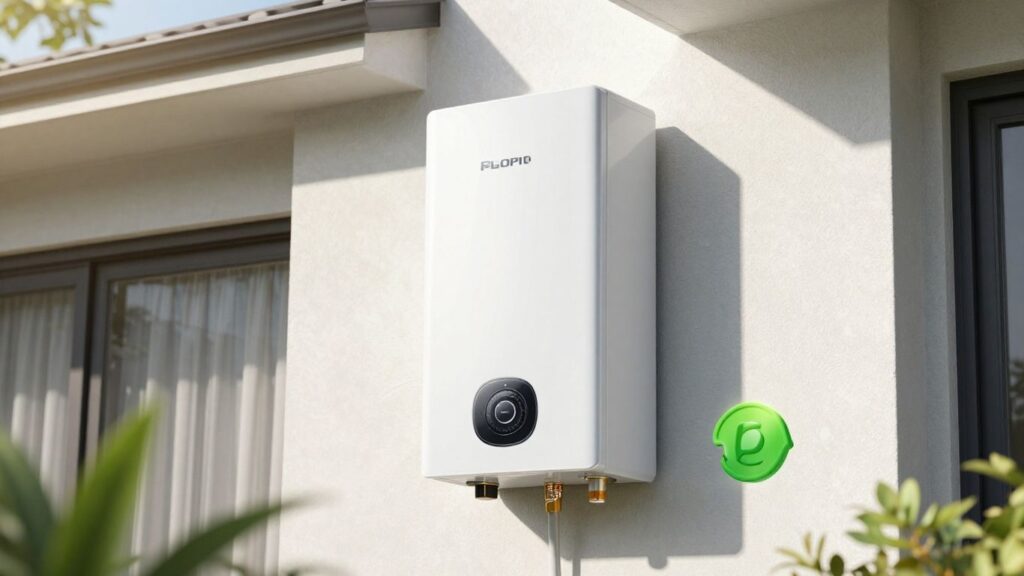
So, you’re thinking about getting a heat pump hot water system, eh? Good move! They’re way more efficient than your old electric or gas ones. The good news is, the government’s keen to help you out with the cost. There are a few different ways this happens across the country, and it’s worth getting your head around them before you buy.
National Small-Scale Technology Certificates (STCs)
This is the big one that applies pretty much everywhere in Australia. Basically, when you install an eligible heat pump hot water system, you get these things called Small-scale Technology Certificates, or STCs for short. Think of them like little tokens that represent the clean energy your system is producing. You can then trade these tokens in for a discount on the upfront cost of your new system. The number of STCs you get depends on a few things, like the size of your system and where you live.
- How STCs work:
- Each STC is a measure of renewable energy generated.
- They must be created within 12 months of installation.
- You can trade them for cash or a discount.
Understanding STC Rebate Zones
Australia is split into different zones for STCs. This is because the amount of renewable energy a system can generate varies depending on your location – think sunshine and climate. Generally, the further south you are, the more STCs you’ll get because the system has to work a bit harder to heat the water, making it more efficient in that context. It’s a bit like getting more points for doing a tougher job!
| Zone | Description |
|---|---|
| Zone 1 | Northern Australia (highest STC value) |
| Zone 2 | Central Australia |
| Zone 3 | Southern Australia |
| Zone 4 | Tasmania and parts of Victoria/SA (lower value) |
| Zone 5 | Remote areas (variable value) |
The value of an STC can change daily based on market demand, so it’s a good idea to check the current rates when you’re getting quotes. This is a key part of how STCs offset your purchase price.
How STCs Offset Your Purchase Price
When you get a quote for a heat pump hot water system, you’ll often see a price before and after the STC discount. The retailer or installer usually handles the STC creation and applies the discount directly. So, instead of paying the full price upfront and then claiming a rebate later, you get the savings immediately. It makes a pretty big difference to the initial outlay, which is exactly what these schemes are designed to do. Just remember, you need to make sure your chosen system and installer are eligible to create STCs.
Victorian Energy Upgrades And Solar Homes Program
Victoria’s got a couple of handy programs that can really help you out when you’re looking to switch to a heat pump hot water system. It’s all about making energy-efficient choices more affordable for folks living and working in the state. These initiatives are designed to cut down on energy use and, you know, save you some cash on your bills.
Victorian Energy Efficiency Certificates (VEECs)
This is part of the Victorian Energy Upgrades (VEU) program. Basically, when you swap out an old, inefficient electric hot water heater for a heat pump, you can get these VEECs. Think of each VEEC as a certificate representing a certain amount of carbon dioxide emissions saved. Your chosen retailer, if they’re an approved VEU provider, will handle the details of claiming these for you. It’s a neat way the state encourages people to make greener choices. Some heat pump systems might even be eligible for a gas subsidy if you’re ditching a gas system, which is pretty cool.
Solar Victoria's Hot Water Rebate
Solar Victoria offers a rebate specifically for eligible heat pump hot water systems. The standard rebate is up to $1,000. But here’s a bit of a bonus: if you choose a heat pump that’s made right here in Victoria, that rebate jumps up to $1,400! This ‘locally made’ incentive is a great reason to support local manufacturers and get a bit more back. Remember, this rebate is usually applied after other discounts, like STCs, are taken into account. It covers about 50% of the product’s purchase price.
To be eligible for the Solar Victoria hot water rebate, you generally need to tick a few boxes:
- You must be the owner-occupier of an existing home.
- The combined household taxable income of all owners needs to be below a certain threshold. This income cap is changing from $210,000 to $150,000 from 1 July 2026, so if you’re in that $150k-$210k bracket, get your application in before then!
- The property value should be under $3 million.
- The property shouldn’t have already received a hot water or solar battery rebate through the Solar Homes Program.
- The hot water system you’re replacing needs to be at least three years old.
It’s really important to do your homework before you buy. Make sure you’re talking to an authorised retailer and that the system you pick is on Solar Victoria’s approved list. They’ve got a buyer’s guide to help you out.
Locally Made Incentive For Higher Rebates
As mentioned, Victoria is really pushing for locally manufactured products. From 1 July 2025, if you opt for an eligible heat pump hot water system that’s made in Victoria, you’ll get that boosted rebate of up to $1,400. If you choose a non-locally made option, the rebate is still a solid $1,000. It’s a nice little sweetener to encourage local industry and give you more bang for your buck. You can find out which products qualify for this extra incentive on the Solar Victoria website. This program is a big part of Victoria’s plan to make homes more energy-efficient and cut down on emissions, with heating hot water being a significant energy user in most households. You can find more details on eligible heat pump hot water systems on their site.
New South Wales Energy Savings Scheme (ESS)
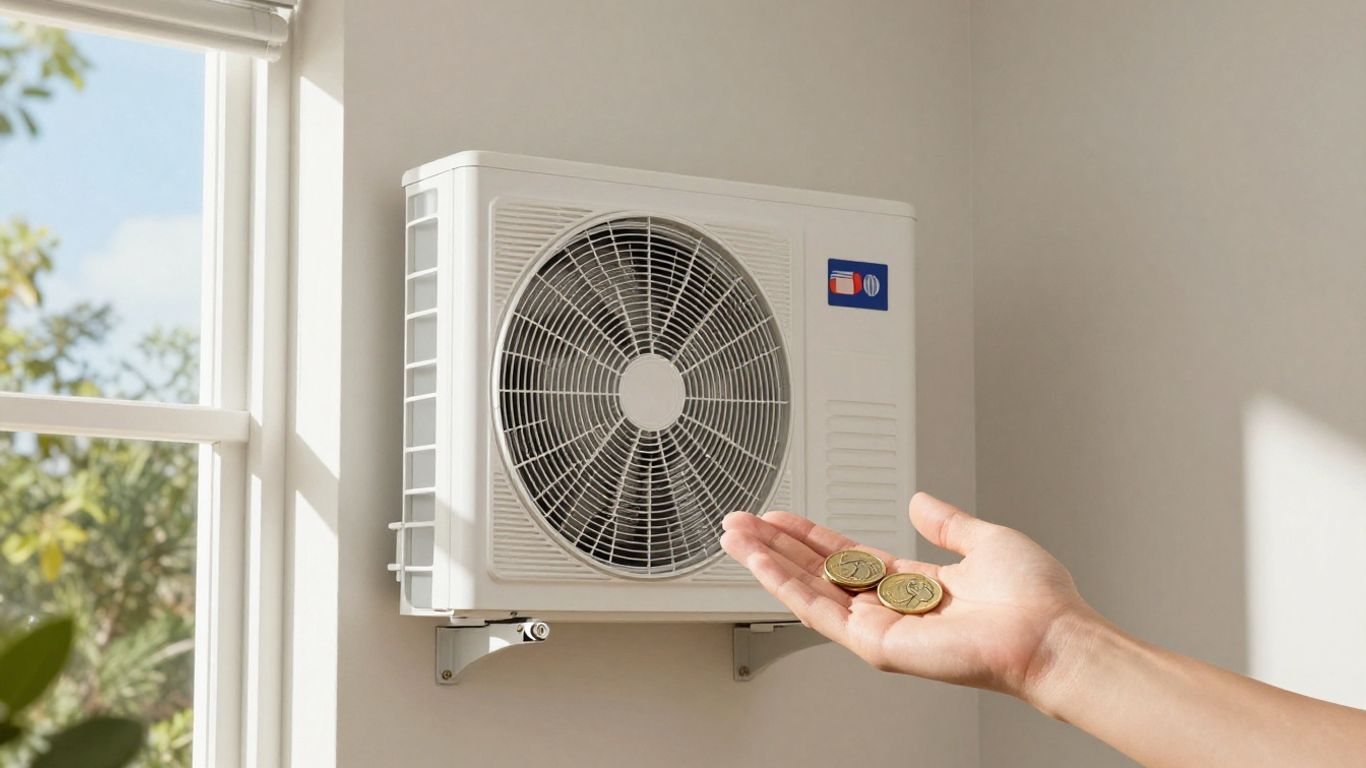
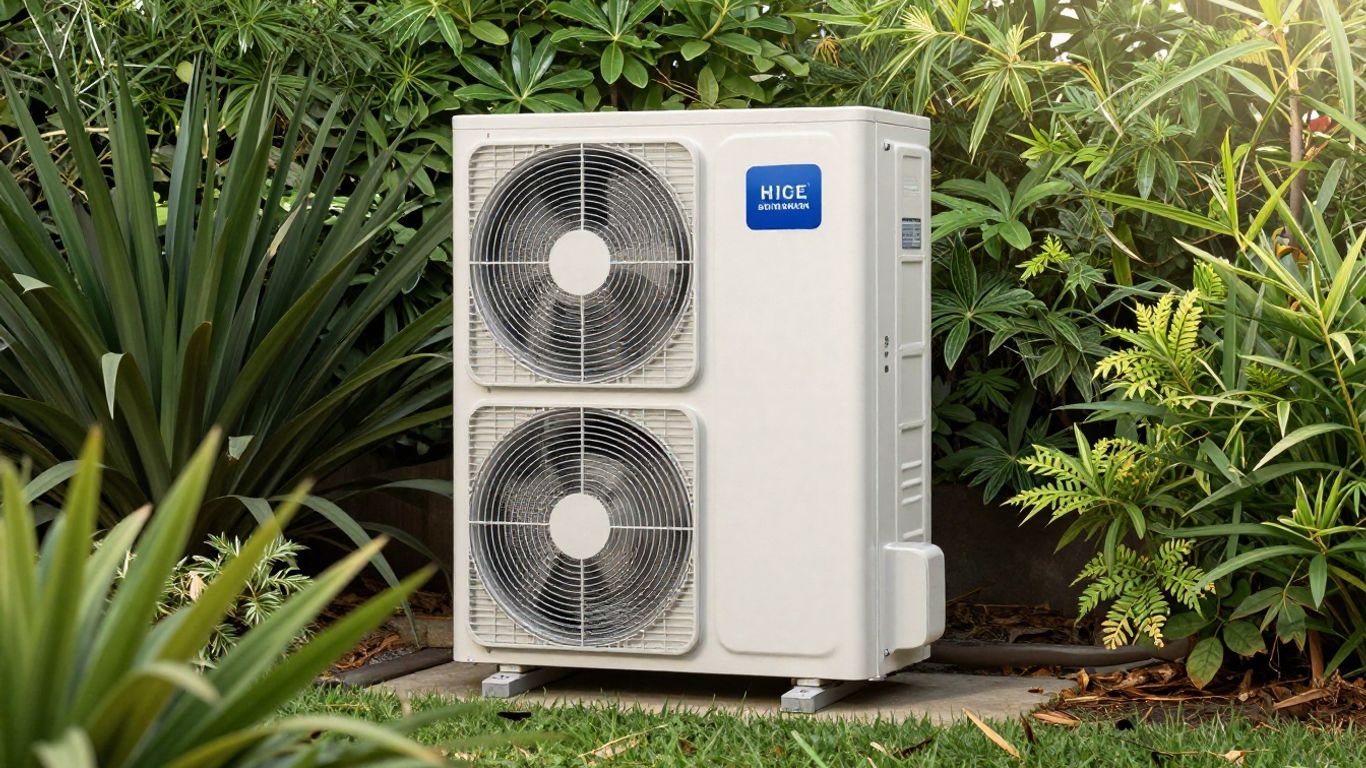
So, you’re in New South Wales and looking to get a heat pump hot water system? The Energy Savings Scheme, or ESS, is a big deal for Aussies in NSW. It’s basically the state’s main program for making things more energy-efficient, and it’s a pretty important part of NSW’s plan to hit net-zero emissions by 2050. The whole idea is to give people and businesses a financial nudge to install or swap out old, energy-guzzling gear for something better.
How the NSW ESS Works For You
The ESS works by creating special tradeable certificates called Energy Savings Certificates (ESCs). When you install an eligible energy-saving product, like a heat pump hot water system, you can generate these ESCs. Usually, you’ll team up with what’s called an Accredited Certificate Provider (ACP). You sign up with them before you get your system installed, and they handle the paperwork to create the ESCs. In return for them doing this, you get a discount on the price of your new hot water system. It’s a bit like getting an upfront rebate, but it’s all managed through these certificates. The number of ESCs you get depends on how much energy your new system is expected to save compared to your old one.
Here’s a quick rundown of how it generally plays out:
- Find an Accredited Certificate Provider (ACP): You need to pick an ACP that’s registered with the ESS. They’re the ones who can turn your energy savings into certificates.
- Sign Up Before Installation: This is super important. You must agree to the terms with your ACP before the installer even turns up. No exceptions!
- Get Your System Installed: Once you’re signed up, the installation can go ahead.
- ACP Creates ESCs: Your ACP will then create the ESCs based on the details of your installation.
- Receive Your Discount: The value of these ESCs is passed on to you as a discount on your purchase price.
It’s really important to get this process right from the start. If you don’t sign up with an ACP before the installation, you won’t be eligible for any savings through the ESS. Think of it like needing a ticket before you get on the train – you can’t get on after it’s already left the station.
Eligible Heat Pump Hot Water Products
Good news! Heat pump and solar hot water systems have been eligible under the ESS since April 2022. This means you can get a discount when you switch to one of these more efficient systems. The exact amount of the discount can vary, but generally, you could see:
- Up to $640 off when replacing an old electric water heater with a heat pump.
- Up to $330 off when swapping out a gas water heater for a heat pump.
Keep in mind these figures are a guide. The actual discount you get will depend on a few things, like the installer you choose, the specific model of heat pump, and any extra installation costs. You can find lists of eligible products on the ESS website, but always double-check with your installer and ACP.
Partnering With Accredited Certificate Providers
Choosing the right ACP is key to making this work smoothly. They’re the experts in the ESS and can help you figure out exactly how much you’ll save. Some providers even have online tools to give you an idea of your potential ESCs and discount. When you’re getting quotes for your new heat pump hot water system, make sure the installer is familiar with the ESS and can work with an ACP. You can find a list of approved ACPs on the NSW Government’s ESS website. It’s worth shopping around a bit to compare quotes and see which ACP offers the best deal for you.
Queensland's Climate Smart And Business Rebates
Queensland has a couple of handy schemes running to help folks and businesses save a bit of coin on energy-efficient upgrades, especially when it comes to hot water.
Climate Smart Energy Saver Rebate For Households
This one’s for the homeowners looking to ditch their old, energy-guzzling hot water systems. The Climate Smart Energy Saver rebate offers a standard $800 for eligible Queenslanders who swap out their old appliance for a new, more efficient model, like a heat pump. If your household income is on the lower side, you might be eligible for a bigger boost – a $1,000 rebate. To qualify, the new system generally needs to be rated 4 stars or higher for energy efficiency. It’s a good way to cut down on your electricity bill and do your bit for the environment. You can find out more about eligible Queenslanders and the specific requirements on the government website.
QBEST Rebates For Small And Medium Businesses
Queensland isn’t forgetting about the businesses either. The Queensland Business Energy Saving and Transformation (QBEST) rebates are designed to help small and medium-sized businesses make the switch to more energy-efficient equipment. This includes heat pump hot water systems, particularly if you’re replacing an older electric or gas storage unit. These rebates can be quite substantial, potentially offering up to $12,500 for eligible businesses. It’s a solid incentive to upgrade your business’s hot water setup, leading to lower running costs and a reduced carbon footprint. The application process usually involves working with an accredited provider who can help you sort out the paperwork and ensure your installation meets the criteria.
Making the switch to a heat pump hot water system can seem like a big step, but these government rebates make it a lot more achievable. It’s worth looking into the details to see if you or your business can benefit from these savings.
Commercial And Industrial Heat Pump Rebate Opportunities
So, you’re running a business or managing a larger facility and thinking about upgrading your hot water system? That’s smart. Beyond just saving on your energy bills, there are some pretty decent government incentives out there specifically for commercial and industrial heat pump hot water systems. It’s not just for homes, you know.
NSW And Victoria Commercial Rebates
Both New South Wales and Victoria have schemes that can help businesses make the switch to more efficient heat pump technology. In Victoria, the Victorian Energy Upgrades (VEU) program is a big one. It offers incentives for installing commercial and industrial heat pump water heaters. Think of it as a reward for choosing energy-efficient solutions for your business. The NSW Energy Savings Scheme (ESS) works in a similar way, aiming to cut down on greenhouse gas emissions by encouraging businesses to adopt better technology. These schemes can significantly reduce the upfront cost of installing a new system.
Upgrading Electric Or Gas Systems
If you’re currently running an older electric resistance water heater or a gas boiler, upgrading to a heat pump system can be a game-changer. Not only are heat pumps generally more efficient, but these rebate programs are often designed to encourage exactly this kind of replacement. You might be looking at replacing electric resistance water heaters, gas boilers, or even just installing a new heat pump system where one wasn’t before. It’s a good idea to check the specific product lists for each state’s program to see what qualifies. For example, some programs might offer a higher rebate if you choose a product that supports local manufacturing, which is a nice bonus if you’re in Victoria. You can find out more about the VEU program here.
It’s really important to get your ducks in a row before you sign any contracts or start installation. Most of these rebate programs require you to be signed up with an accredited certificate provider before the work begins. If you miss this step, you could miss out on the rebate entirely. So, make sure you understand all the pre-installation requirements and deadlines. It’s not complicated, but it does need your attention upfront.
Here’s a general idea of what might be involved:
- Check Eligibility: Make sure your business and the proposed heat pump system meet the criteria for the relevant state rebate scheme.
- Find an Accredited Provider: Sign up with a recognised certificate provider in NSW or Victoria. They’ll guide you through the process.
- Get Quotes & Pre-Approval: Obtain quotes for the heat pump system and submit the necessary paperwork for pre-approval.
- Installation: Once approved, proceed with the installation of your new heat pump hot water system.
- Claim Rebate: After installation, finalise the rebate claim through your accredited provider. Some programs, like the one in Victoria, offer up to $1,000 off for eligible households [5e0f].
Remember to always check the latest details on the official government websites for NSW and Victoria, as program rules and incentives can change.
Maximising Your Heat Pump Hot Water Government Rebate
So, you’ve decided a heat pump hot water system is the way to go – smart move! Now, let’s talk about making sure you get the most out of those government rebates. It’s not always as simple as just buying the unit; there are a few things to keep in mind to avoid any nasty surprises.
Pre-Installation Requirements Are Crucial
Before you even think about signing on the dotted line or booking an installer, check the specific rules for the rebate you’re aiming for. Some programs have requirements about who can install the system, or what kind of paperwork needs to be sorted out beforehand. For instance, in Victoria, you might need to get pre-approval through the Service Victoria portal. Getting this right from the start saves a heap of hassle later. It’s like making sure you have all your ingredients before you start baking – you don’t want to realise you’re missing the flour halfway through!
Choosing Eligible Products and Retailers
Not all heat pump hot water systems are created equal when it comes to rebates. Each state and territory, and sometimes even specific programs within those states, will have a list of approved products. Sometimes, there’s even an extra bonus if you choose a product that’s made locally. For example, Victoria offers a higher rebate for certain locally manufactured heat pumps. It’s worth doing a bit of digging on the relevant government websites to see which brands and models qualify. You can often find these lists on the Solar Victoria website or through the Clean Energy Regulator. Also, make sure your chosen retailer is accredited or recognised by the rebate scheme. Some installers can even reduce your invoice directly by the rebate amount, which makes the whole process much simpler. STCs and VEECs are simple to claim.
Understanding Application Deadlines and Income Caps
This is a big one. Rebates often have strict deadlines, not just for installation but also for submitting your application. In Victoria, for example, if your household income is above $150,000, you need to get your application submitted in full by June 30th to secure a rebate. Don’t just save your application; make sure it’s fully submitted. It’s also worth noting that some rebates have income caps, so it’s a good idea to check your household income against these limits. Missing a deadline or exceeding an income cap means you miss out on the savings, which is the last thing we want when we’re trying to be savvy with our spending.
Always double-check the specific eligibility criteria and timelines for your state or territory’s rebate program. What applies in one place might not apply in another, and rules can change.
Conclusion
Getting a heat pump hot water system can be a smart move for your wallet and the environment. With various government rebates and schemes available across Australia, it’s worth looking into what you might be eligible for. Remember to check the specific rules and deadlines for each program to make sure you get the best deal. By doing a bit of homework now, you can enjoy cheaper hot water and a greener home for years to come.
Frequently Asked Questions
What's a heat pump hot water system?
A heat pump hot water system is like a fridge in reverse. It pulls heat from the air outside and uses it to warm up your water. It uses a lot less electricity than a regular electric hot water heater, so it saves you money on your power bills.
Are there government rebates for these systems?
Yes, absolutely! The Australian government and some state governments offer rebates to encourage people to switch to more energy-efficient systems like heat pumps. These rebates help lower the price you pay.
How do I find out which rebate I can get?
It depends on where you live. Each state has different programs. You’ll need to check the specific government websites for Victoria, NSW, Queensland, and other states. There are also national schemes like STCs that apply everywhere.
Do I need to do anything before I buy the system?
Yes, this is really important. You often need to sign up with a specific type of company or provider *before* you get the system installed. If you don’t do this first, you might miss out on the rebate. Always check the rules for the rebate you’re interested in.
Are there any income limits for these rebates?
Some rebates do have income limits, especially in Victoria. This means if your household earns more than a certain amount each year, you might not be eligible for that specific rebate. It’s a good idea to check the income requirements.
What if my heat pump system is made overseas?
Generally, the rebates are more about the energy efficiency of the system and its environmental benefits. However, in Victoria, there’s an extra incentive if the product is ‘locally made’, meaning it supports local jobs and manufacturing. You’ll get a bigger rebate for those.