
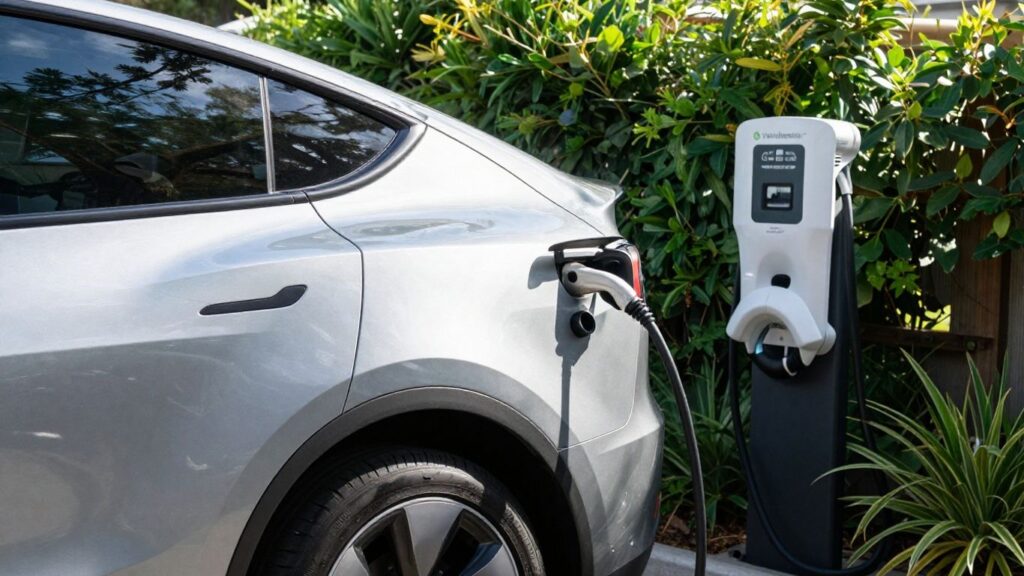
Thinking about getting an EV charger? Here are the main things you should remember about the costs involved in Australia.
Key Takeaways
- For home use, a Level 2 charger usually costs between $1,000 and $2,500 for the hardware, with installation adding more depending on your home’s setup.
- Public AC chargers are pricier, ranging from $1,950 to $3,000 for the unit, but installation can be 60-80% of the total cost, especially for curb or pedestal mounts.
- DC fast chargers are a huge investment, costing $40,000 to $100,000 for the hardware alone, and installation can add another $15,000 to $60,000.
- The location of the charger, distance to your main electrical board, and the condition of your switchboard significantly impact installation costs.
- The total cost of ownership includes not just the upfront price but also how you source your electricity (solar, battery, grid) and how often you use the charger.
Understanding Home EV Charging Station Costs
So, you’re thinking about getting an electric vehicle (EV) and need to figure out the charging situation at home. It’s not just about buying the charger itself; there’s a bit more to it, especially when it comes to installation. The total cost of ownership for residential EV charging is more than just the upfront hardware expense. Let’s break down what you can expect.
Hardware Expenses for Level 2 Chargers
When we talk about home charging, most people are looking at a Level 2 charger. These are the ones that plug into a higher voltage outlet (like your oven uses) and charge your car much faster than a standard wall socket. The hardware itself can vary quite a bit in price. You’re generally looking at:
- Basic models: These will get the job done, offering reliable charging without too many bells and whistles. Expect to pay somewhere in the ballpark of $800 to $1500 for the unit itself.
- Smart chargers: These connect to your Wi-Fi, allowing you to control charging times via an app, monitor energy usage, and even schedule charging for off-peak electricity rates. They offer more features and usually cost a bit more, perhaps $1200 to $2000.
- Premium or high-power units: Some EVs have larger batteries or can accept faster charging speeds, so you might opt for a more powerful unit. These can push the price up further, potentially to $2500 or more.
Installation Factors Influencing Home Charger Price
This is where things can get a bit more complex and the price can really jump. The charger unit is only one part of the equation; getting it safely installed by a licensed electrician is key. Here’s what impacts the installation cost:
- Distance from the switchboard: The further the electrician needs to run new wiring from your main electrical panel to where you want the charger, the more labour and materials are involved. A simple installation, where the switchboard is close by, might only take an hour or so and cost around $800.
- Electrical upgrades: If your existing switchboard isn’t up to scratch or doesn’t have the capacity for a new high-power circuit, you might need upgrades. This could involve adding new breakers, reinforcing circuits, or even upgrading the main electrical service to your house. These additions can easily add $1000 or more to the bill.
- Mounting and location: Where you want the charger installed matters. A simple wall mount in a garage is usually straightforward. If you need a pedestal installed in your driveway or a more complex setup, that will add to the labour time and cost.
The charger itself is only part of the bill. Switchboard distance, cable runs, mounting location, and any required electrical upgrades can materially change installation cost before the first charging session. Smart charging features matter financially when they let the household shift EV load into solar production, coordinate with battery discharge, or avoid higher-cost import periods.
Total Cost of Ownership for Residential EV Charging
When you’re looking at the overall cost, it’s not just about the initial purchase and installation. You need to think about the long game. For many households, getting a home charger is a meaningful electrical project once labour, compliance, and site-specific work are included. The strongest case for a home charger appears when it reduces reliance on higher-cost public charging and increases use of energy the household already produces or stores. For homes with rooftop solar, batteries, and access to a VPP, the charger can become part of a broader energy system that lowers the real cost per kilometre and creates a clearer payback path. You can get an instant home charging estimate now to help you figure out the potential costs for your specific situation. Obtaining cost estimates for both the supply and installation of EV chargers for home use is a smart first step.
Factors Affecting Public EV Charging Station Investment
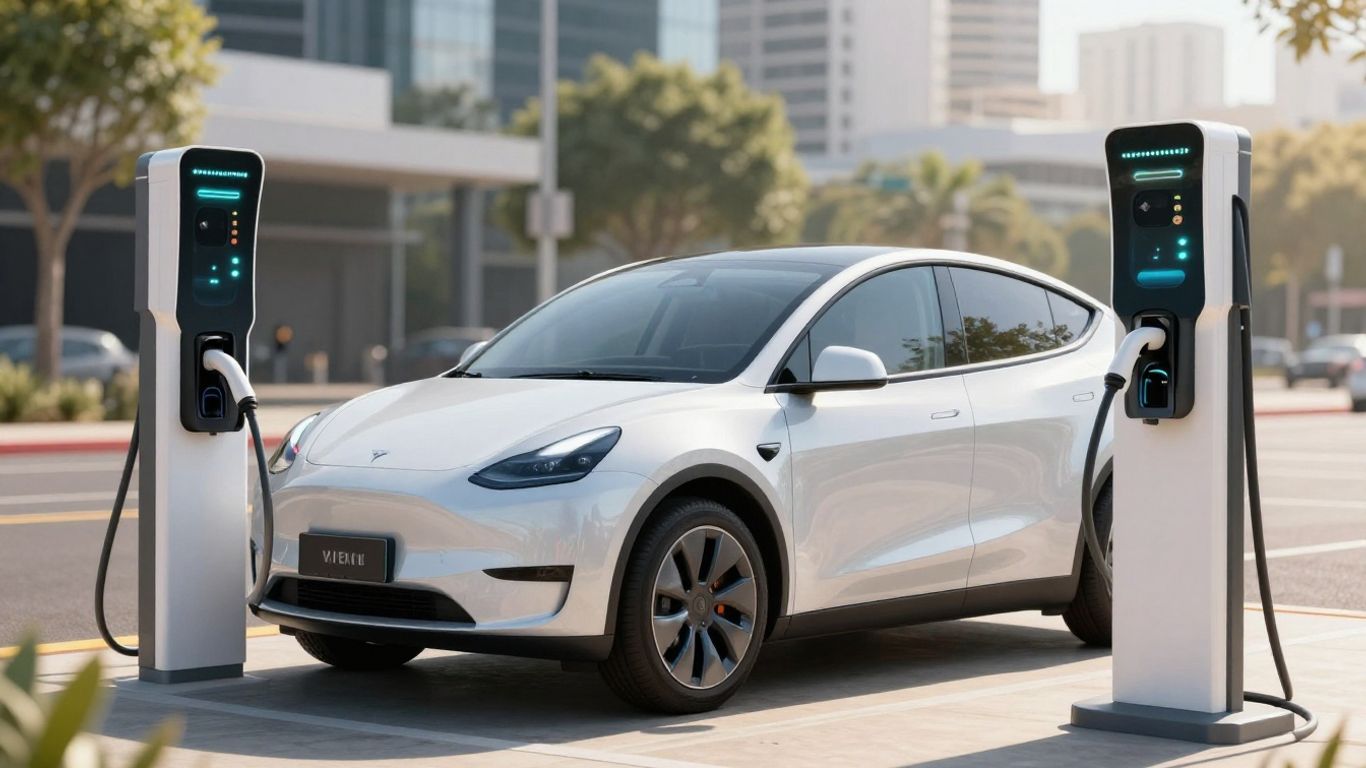
When you’re looking at putting in a public EV charging station, it’s not just about the shiny new hardware. There are a bunch of things that can really bump up the price or make the whole project more complicated. Think of it like building a small shop – you need the shelves and the stock, sure, but you also need the location, the wiring, and all the permits.
Hardware and Installation for Public AC Chargers
Public AC chargers, often called Level 2 chargers, are the most common type you’ll see at places like shopping centres or office car parks. The actual charging unit itself might cost you somewhere between $1,950 and $3,000, depending on the brand and whether it’s a single or double unit. But here’s the kicker: the installation is usually where the big bucks go, making up about 60-80% of the total cost. This is way more than for a home charger. The distance from the main electrical panel is a huge factor; if it’s more than about 40 metres, it often becomes too pricey to even bother. Simple wall-mounted setups in car parks might be around $6,000 all-in, but if you need to dig trenches for curbside or pedestal units, that cost shoots up.
The High Cost of Public DC Fast Charging Infrastructure
DC fast chargers are a whole different ballgame. These are the ones that can give your EV a significant charge in about 30 minutes. The hardware alone for one of these can set you back between $40,000 and $100,000. Then you’ve got the installation, which can add another $15,000 to $60,000. This is because they often need a hefty 480V transformer, major electrical supply upgrades, and a lot more labour and permits. It’s not uncommon for a fully installed DC fast charging station to cost anywhere from $75,000 to $150,000 or even more. For businesses looking into this, it’s worth checking out commercial DC fast charging station costs for a clearer picture.
Hidden Expenses in Public Charging Station Deployment
Beyond the obvious hardware and installation fees, there are a few sneaky costs that can catch you out. Demand charges are a big one, especially for DC fast chargers, and can make up a significant chunk of your ongoing expenses. Then there’s the time it takes to get connected to the grid, which can sometimes drag on for months, or even years. You might also need to upgrade existing transformers, and if the charger takes up prime parking spots, you could lose out on parking revenue. Don’t forget about monthly fees for network software if you want to manage and bill users remotely.
Planning for these less obvious costs upfront is key to avoiding budget blowouts and ensuring your charging station project stays on track.
Here’s a quick rundown of some typical costs:
- Hardware: Level 2 AC chargers ($1,950-$3,000 per port), DC Fast Chargers ($40,000-$100,000 per unit).
- Installation: Level 2 ($2,500+ per port, highly variable), DC Fast Charger ($15,000-$60,000+).
- Grid Upgrades: Can range from a few thousand to tens of thousands of dollars.
- Ongoing Costs: Network fees ($50-$200/month), electricity demand charges (significant for DCFC).
It’s a complex puzzle, but understanding these pieces helps make better investment decisions. For a general idea of charger prices, you can look at typical EV charger costs.
Assessing the Value of EV Charging Station Investment
So, you’re thinking about putting in an EV charging station, whether it’s for your business or just a bunch of chargers for the neighbourhood. It’s not just about buying the hardware, is it? We need to look at whether it actually makes financial sense. The real profit comes from how much people use it and how smartly you manage the costs.
Is an EV Charging Station a Profitable Venture?
Look, EV charging can be a good earner in 2026, but it’s not a sure thing. It really boils down to a few key things. You’ve got to pick the right spot, make sure people are actually plugging in, and keep an eye on those tricky electricity costs. Get these right, and you could be looking at some decent returns. Get them wrong, and you might find yourself out of pocket, even with everyone buying EVs.
Here’s a rough idea of what you might expect:
- Level 2 Chargers (Commercial): In busy places like shopping centres or workplaces, with good usage (say, over 60%), you could see net profit margins between 40% and 60%. These are often the easiest to get profitable.
- DC Fast Chargers (Highway Corridors): These are more expensive to set up, but if you’re on a busy highway and pair them with battery storage to manage electricity spikes, you might get 20% to 35% net profit with good usage.
It’s important to remember that the cost per charge can drop dramatically as usage goes up. For example, at a 150 kW station, the cost per charge can fall from nearly $400 to just $5.73 when it’s used a lot more. That’s a huge difference!
The biggest financial hurdles aren’t always the upfront cost of the chargers themselves. Things like electricity demand charges, which can be a massive chunk of your monthly bills (sometimes 23-85% of operating costs for DC fast chargers), and long waits for the power company to connect you can really eat into profits. Don’t forget about potential lost parking revenue if you’re taking up prime spots.
Maximising Returns Through Site Selection and Management
Picking the right location is half the battle. You want somewhere people are already spending time or travelling through regularly. Think busy retail areas, workplaces with lots of employees, or major road routes. It’s also smart to look at data on EV ownership in the area and how much time people typically spend there. This helps you predict usage.
Once you’ve got your chargers installed, good management is key. This includes:
- Pricing Strategy: Setting charging fees that are competitive but still profitable. This might mean different rates for different times of day.
- Demand Charge Management: Working with your electricity provider to understand and minimise peak demand charges. This could involve scheduling charging during off-peak hours or using battery storage.
- Maintenance: Keeping the chargers in good working order to avoid downtime and keep customers happy.
- Network Software: Using smart software to manage charging sessions, payments, and user data. These can cost anywhere from $50 to $200 per month per charger.
The Role of Utilization in Charging Station Economics
Ultimately, how much you make hinges on how often your chargers are actually being used. A charger sitting idle isn’t making you any money. For Level 2 chargers, payback periods can be as short as 3 to 6 years if they’re in high-traffic spots. For the pricier DC fast chargers, it might take 5 to 8 years, and that’s if they’re in a good location like a highway rest stop. If usage is low, you might never break even without some help from government grants or utility programs. It’s why installing chargers at service stations can be a smart move, as they’re designed for high turnover.
Key Considerations for EV Charging Station Installation
Alright, so you’re thinking about putting in an EV charger, whether it’s for your own place or maybe a business. It’s not just a simple plug-and-play situation, you know? There are a few things that can really change the price and how smoothly it all goes. Let’s break down some of the big ones.
Site Specifics: Distance and Switchboard Condition
One of the biggest factors that catches people out is how far the charger needs to be from your main electrical panel, or switchboard. If it’s a long run, you’re looking at more cable, more labour, and potentially more complex trenching or conduit work. We’re talking about runs of 15 to 30 metres being pretty standard, but anything over 40 metres can start to get seriously expensive. It might even mean you need to rethink where you put the charger altogether.
Also, have a good look at your existing switchboard. Is it old? Does it have enough capacity for a new, high-powered charger? Sometimes, you might need to upgrade the whole thing, and that’s a significant extra cost. It’s worth getting an electrician to give it a once-over before you get too far down the track. For a rough idea, installing a basic 7kW wall unit in Victoria might set you back between $1,200 and $2,200, but that’s assuming your switchboard is up to scratch and the run isn’t too long. Complex jobs can easily push past $4,500.
Integrating Chargers with Existing Solar and Battery Systems
Got solar panels or a home battery? That’s fantastic for running your EV, but it adds another layer to the installation. You’ll want to make sure the charger can talk to your solar inverter and battery management system. This means the electrician needs to understand how these systems work together.
Here’s a quick rundown of what to think about:
- Smart Charging: Can your charger be programmed to only charge when solar power is abundant or when electricity rates are low?
- Load Management: Will adding an EV charger overload your existing solar or battery setup? You might need upgrades.
- System Compatibility: Not all chargers play nicely with all solar and battery brands. Check for compatibility before you buy.
Getting this right means you can really maximise your use of renewable energy and keep those running costs down. It’s a bit more involved than a standard install, but the long-term savings can be pretty good.
The Impact of Location on Installation Expenses
Location, location, location – it really does matter when it comes to EV charger installation costs. Think about it: installing a charger inside a garage or a dedicated car park is generally simpler and cheaper. The wiring can often be run neatly along walls.
However, if you’re looking at a curbside installation or a standalone pedestal out in a public area, things get trickier. You might need to dig trenches for underground cabling or use directional boring, which adds significant labour and material costs.
For commercial ventures, especially if you’re looking at setting up a business around EV charging in Sydney, understanding these location-based costs is key to figuring out your potential profit margins. It’s not just about the charger itself, but the whole setup around it.
Beyond the physical installation, consider connectivity. If your charger needs to connect to a network for payments or monitoring, that might involve running data cables or relying on mobile signal, which can add to the complexity and cost. It’s all part of making sure your charger is accessible and functional for users. Starting an EV charging venture in NSW involves weighing these factors carefully.
Comparing Home vs. Public Charging Station Costs
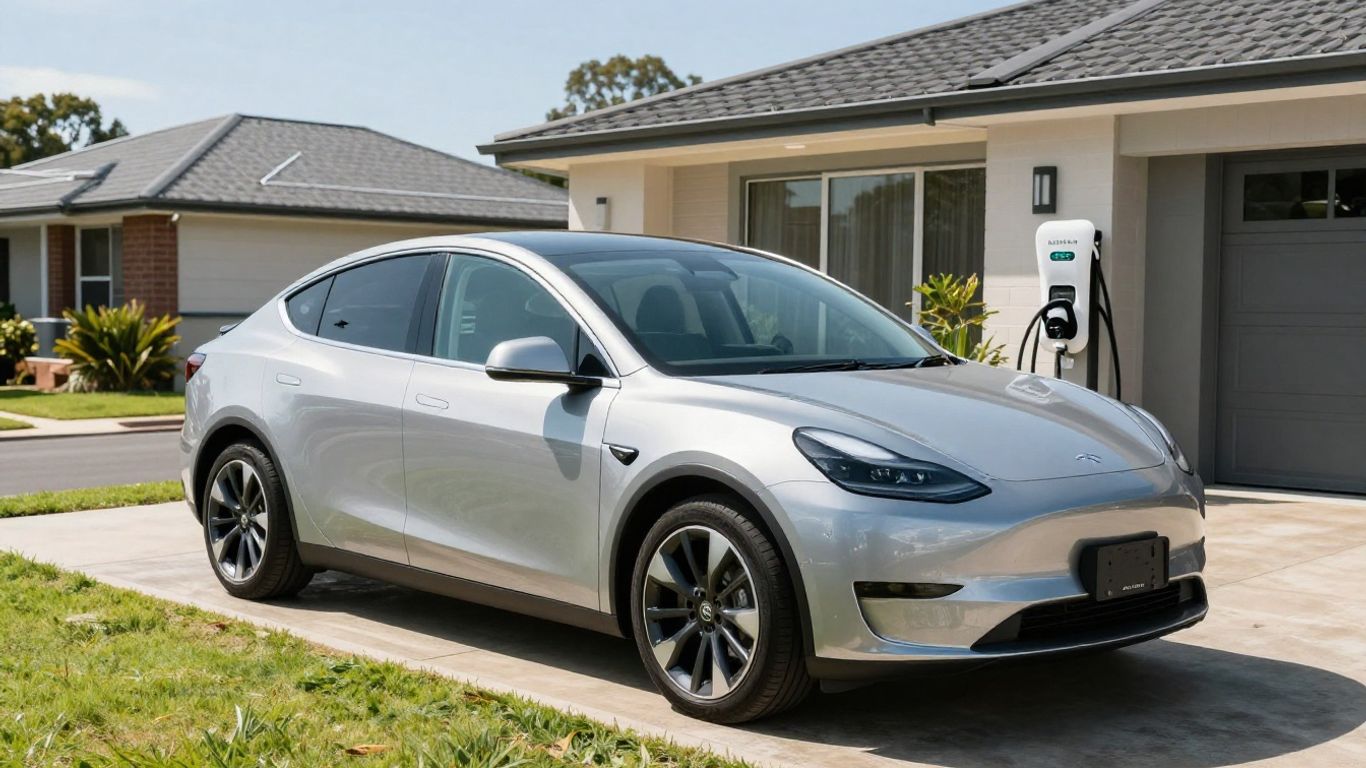
When you’re looking at getting an EV charger, it’s easy to get caught up in the upfront price tag. But honestly, comparing a home charger to a public one is like comparing apples and oranges. They serve different purposes and come with vastly different cost structures.
Residential Charger Economics vs. Commercial Infrastructure
Think of your home charger as a personal convenience, integrated into your daily life. The hardware itself is a significant chunk of the cost, but the installation is usually more straightforward, especially if your switchboard is close by. We’re talking a few hundred to a couple of thousand dollars for the charger, and then installation costs can range from around $800 to $2000 or more, depending on any electrical upgrades needed. The real win here is the cost of the electricity itself. Charging at home typically works out to be around $0.20 to $0.30 per kilowatt-hour (kWh). This is where you really start to see the savings stack up over time, especially if you’re using off-peak tariffs or your own solar power.
Public charging stations, on the other hand, are a whole different ballgame. They’re built for convenience and speed, often in high-traffic areas. The hardware for a public AC charger might cost between $1950 and $3000, but the installation is where the big money goes – often 60-80% of the total cost. This can involve trenching, mounting, and connecting to networks, pushing the total price well into the thousands, sometimes even tens of thousands for more complex setups. Public DC fast chargers are even more extreme, with hardware alone costing $40,000 to $100,000, plus installation costs that can easily add another $15,000 to $60,000.
When Public Charging Becomes a Costly Alternative
Public charging is priced like a premium service, and for good reason. Operators have significant capital outlays, grid connection costs, maintenance, and software fees to cover. This means the per-kWh price is often double or even triple what you’d pay at home. While it’s fantastic for road trips or when you’re caught short, relying on public charging for your daily needs can quickly become a very expensive habit. For regional drivers, the cost can be even higher in practical terms, with fewer options, longer detours, and more potential waiting time adding to the overall expense.
The key takeaway is that home charging is about optimising your household energy costs, while public charging is a convenience service. Comparing them directly on price per kWh misses the bigger picture of total cost of ownership and the value of integrated home energy systems.
The Strategic Advantage of Home Charging Solutions
For most EV owners, a home charging station is the most sensible and cost-effective solution for day-to-day use. The real value lies in its ability to integrate with your existing energy setup, like solar panels and battery storage. This allows you to charge your car using cheaper, self-generated electricity, significantly reducing your running costs and improving the return on your solar investment. It also means you’re not beholden to the pricing and availability of public chargers. While public charging has its place for emergencies or long journeys, it’s generally not the benchmark for deciding if a home charger is worthwhile. Getting a quote for a home charger installation can give you a clearer picture of the upfront investment required for this long-term saving strategy.
Here’s a quick look at the cost differences:
| Feature | Home Charger (Typical) | Public AC Charger (Typical) | Public DC Fast Charger (Typical) |
|---|---|---|---|
| Hardware Cost | $300 – $2,000 | $1,950 – $3,000 | $40,000 – $100,000 |
| Installation Cost | $800 – $2,000+ | $6,000 – $20,000+ | $15,000 – $60,000+ |
| Cost per kWh (Est.) | $0.20 – $0.30 | $0.40 – $0.90+ | $0.50 – $1.00+ |
Remember, these are just estimates, and your specific situation will influence the final price. It’s always best to get a few quotes tailored to your property. For a more detailed look at the electricity costs, check out this guide to home charging prices.
Conclusion
The cost to install an EV charging station in Australia in 2026 really boils down to a few main things: what kind of charger you get, how complex the setup is, and how much you’ll actually use it. Just looking at the price of the charger itself won’t give you the full picture; you’ve got to think about the whole project cost. While Level 2 chargers are much cheaper to buy and install than the big DC fast chargers, the real money-saver in the long run is how often you charge and where your electricity comes from. Picking the right spot, sorting out your electricity plan, and making sure people actually use the charger are the big keys to making your investment pay off. For homes with solar and batteries, a well-planned charging setup can be a really smart move, often costing less per kilometre than relying on public chargers.
Frequently Asked Questions
How much does it typically cost to install a home EV charger in Australia?
For a home charger, you’re usually looking at around $1,000 to $2,500 for the actual charger unit. Then, the electrician’s bill for putting it in can add anywhere from $800 to over $1,000, depending on if they need to do any extra work on your home’s electrical system. So, the total can range quite a bit.
Are public EV chargers more expensive than home chargers?
Yes, public chargers generally cost more. The units themselves can be between $1,950 and $3,000. Plus, putting them in public spots often involves more work, like running cables underground or mounting them on pedestals, which bumps up the installation price a lot.
What makes installing a public charger so costly?
A big part of the cost for public chargers is the installation, which can be 60% to 80% of the total price. How far the charger needs to be from the main power box is a major factor. If it’s a long way, or if they need to dig trenches for cables, that adds significant expense compared to a simple home setup.
How much does a fast DC charger cost?
These are the big ones, like you see at service stations. The hardware alone can be a massive $40,000 to $100,000. Then, getting one installed, which often involves upgrading power supplies, can add another $15,000 to $60,000. So, it’s a really big commitment.
Can my home solar panels and battery affect the charger cost?
While having solar panels and a battery might not change the upfront installation cost much, they can really change how much you save over time. They let you charge your car using your own clean energy, which can make your overall charging costs much lower compared to just using electricity from the grid.
What are some hidden costs I should watch out for?
Sometimes there are costs you don’t think about right away. For public chargers, things like needing special permits, potential delays from the power company, or even extra fees for managing the charging network can add up. For home chargers, if your electrical board is old or crowded, you might need an upgrade, which costs extra.