
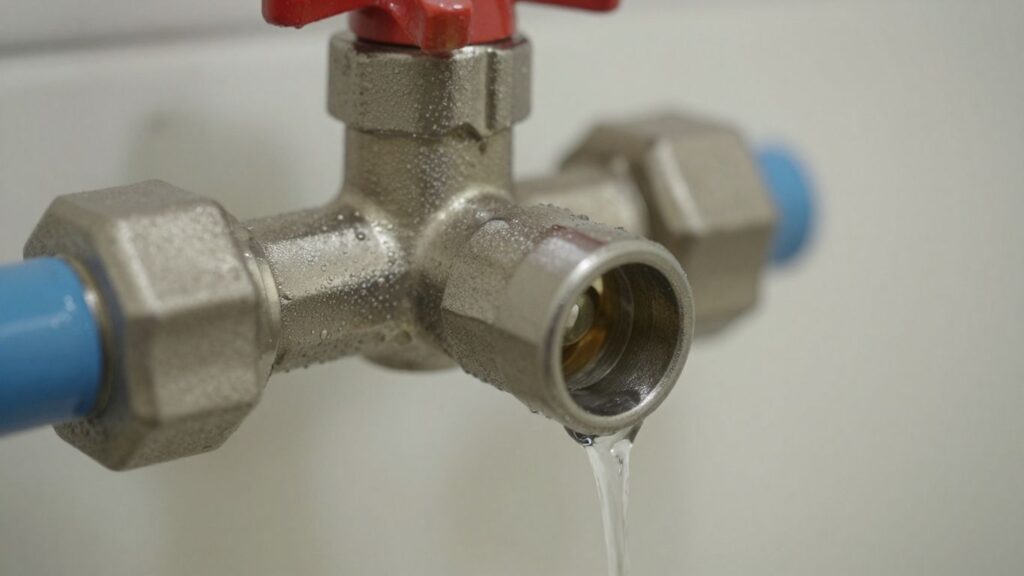
Dealing with a dripping hot water system relief valve can be confusing, but understanding a few key points will help you manage the situation. Here’s what you need to remember:
Key Takeaways
- A relief valve’s job is to let out water when pressure or heat gets too high, acting as a safety feature.
- A small, occasional drip might be normal, but a steady leak usually means there’s an issue like too much pressure, high temperature, or a faulty valve.
- Check your water heater’s temperature setting (aim for around 120°F) and your home’s water pressure first.
- Simple fixes like cleaning the valve or adjusting settings can sometimes solve the problem, but persistent leaks need professional attention.
- Regular maintenance and proactive checks can prevent future leaks and keep your hot water system running smoothly.
Understanding Your Hot Water System Relief Valve
So, you’ve noticed a bit of a drip or maybe even a small puddle around your hot water system. It’s easy to panic, but before you start imagining the worst, let’s get a handle on what’s actually going on. At the heart of your water heater’s safety system is a component called the temperature and pressure relief valve, or T&P valve for short. Its main gig is to keep things safe inside your tank.
What Is a Pressure Relief Valve?
Think of the pressure relief valve as your water heater’s personal bodyguard. Its sole purpose is to protect your home and your family from a potentially dangerous situation. When the pressure or temperature inside the water heater tank gets too high – higher than it’s supposed to be – this valve kicks into action. It opens up automatically and lets out some hot water and steam. This action prevents the pressure from building up to a point where it could cause serious damage to the tank, or worse.
How Does the Pressure Relief Valve Work?
It’s pretty clever, really. The T&P valve is designed to open when either the temperature inside the tank reaches about 210°F (99°C) or the pressure hits around 150 psi. When either of those limits is crossed, a spring-loaded mechanism inside the valve releases. This lets hot water and steam escape through the discharge pipe, bringing the temperature and pressure back down to a safe level. It’s a critical safety feature that works without you even having to think about it, most of the time. This valve is a key part of water heater safety.
Is a Leaking Relief Valve Normal?
This is where it gets a bit confusing for a lot of people. A little bit of dripping from the relief valve isn’t always a sign of a major problem. Sometimes, especially in closed plumbing systems where there isn’t an expansion tank, you might see a small amount of water drip out. This can happen when the water heats up and expands, causing a temporary, slight rise in pressure. The valve just does its job, releasing a bit of water to ease that pressure. It’s the system’s way of managing normal fluctuations. However, if you’re seeing a steady stream or persistent dripping, that’s usually not normal and points to something that needs a closer look. It’s important to distinguish between a brief discharge and continuous leaking.
Common Causes of a Hot Water System Relief Valve Dripping
Understanding why your hot water system’s relief valve is dripping can save you from stress and potential water damage. While some dripping is to be expected during normal pressure fluctuations, persistent leaks usually signal something else at play. Below, you’ll find the most typical reasons your relief valve might be leaking and what each one means for your system.
Excessive Pressure Build-Up in the Tank
If water pressure inside the tank rises beyond what’s considered safe, the relief valve opens up to release some water. This keeps your tank from bursting. The pressure can get too high for a bunch of reasons:
- High incoming mains pressure
- Faulty pressure regulator on the house
- Blocked or undersized piping
| Pressure Range (psi) | Relief Valve Action |
|---|---|
| 0–80 | No Action |
| 81–149 | May drip intermittently |
| 150+ | Opens fully to discharge |
In most Aussie households, anything above 80 psi can start causing issues, so a constant drip is worth checking right away.
Thermal Expansion and Its Effects
Every time you heat water, it expands. Without anywhere for that extra volume to go, the pressure inside the tank ticks up. If there’s no expansion vessel fitted on your system (common in older houses), your relief valve ends up doing all the work, opening regularly to compensate for the swelling water. Over time, this can wear out the valve and turn a bit of harmless dripping into a steady leak.
Frequent operation of the relief valve can usually be traced back to thermal expansion—installing an expansion tank is a simple way to prevent ongoing pressure build-up.
High Water Temperature Settings
Cranking the thermostat higher than necessary is a surefire way to cause trouble for your relief valve. As the water in the tank gets hotter, the pressure rises along with it. Ideally, your system should be set to around 50–60°C. If it’s consistently higher, you’re asking the valve to do more than it should.
- Raises risk of valve leaks
- Wastes energy
- Increases danger of scalding
Keeping an eye on your hot water temperature not only helps prevent leaks but also lowers your energy bill.
Sediment Buildup or Debris in the Valve
Hot water tanks naturally collect minerals and debris over time, especially if you’re in a hard water area. Sediment ends up inside the valve, keeping it from sealing properly—resulting in slow, annoying drips that just won’t quit. Flushing your tank during regular maintenance is the best way to avoid this headache, but once sediment’s stuck in a valve, replacement might be the only fix.
- Reduces valve lifespan
- Can cause weak or constant leaks
- Makes other issues harder to spot
If you’re curious about general home maintenance or upgrading your systems, Microsoft 365 Business solutions in Brisbane can also boost your small business’s productivity, just like routine care boosts your hot water reliability.
Signs Your Hot Water System Relief Valve Needs Attention
Alright, so you’ve noticed a bit of a drip or maybe a steady trickle coming from that little valve on your hot water system. It’s easy to dismiss it as just a minor thing, but sometimes, it’s your system trying to tell you something important. Ignoring these signs could lead to bigger headaches down the track.
Here are a few things to look out for that suggest your relief valve might need a closer look:
- Persistent Leakage: A constant drip, drip, drip isn’t usually normal. While the valve is designed to open under pressure, if it’s leaking even when things seem fine, it’s a red flag. This could be due to high water pressure in your home, or the thermostat on the heater might be set a bit too high, causing the water to get excessively hot. Keeping the temperature around 125°F (52°C) is generally recommended for safety and efficiency.
- Visible Damage or Corrosion: Have a good look at the valve itself. Do you see any rust, mineral deposits, or obvious signs of wear and tear? Sometimes, a bit of gunk can get stuck in there, but if the valve looks corroded or damaged, it might be time for a replacement. A leaking, stuck, or noisy water heater pressure relief valve is a serious indicator that your plumbing system requires immediate attention.
- Unusual Tank Noises or Pressure Readings: Is your hot water tank making strange banging or rumbling sounds? Or perhaps your pressure gauge (if you have one) is showing readings that are consistently higher than they should be? These can be indirect signs that the relief valve is under stress or not functioning as it should. Strange noises emanating from the valve might suggest it’s not functioning correctly.
If you’re seeing any of these symptoms, it’s best not to wait around. A faulty valve isn’t just an inconvenience; it’s a safety issue. It’s there to protect your tank from exploding if the pressure gets too high, so when it starts acting up, it’s your cue to investigate.
Sometimes, the issue might be as simple as a bit of debris jamming the valve, or it could point to a more complex problem like a faulty expansion tank that’s no longer doing its job of absorbing excess pressure. Either way, paying attention to these warning signs can save you from a much bigger problem later on, potentially preventing water damage to your home.
Immediate Steps for a Dripping Hot Water System Relief Valve
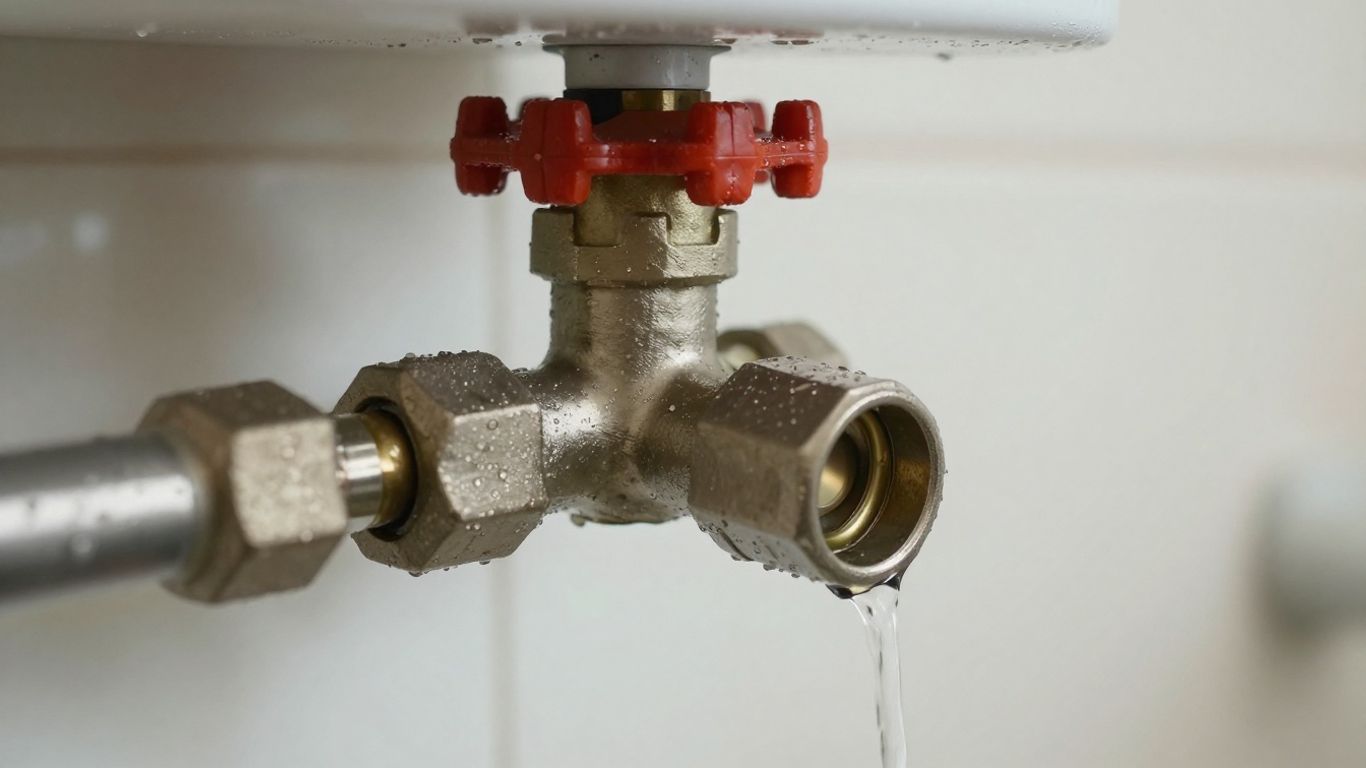
Right, so you’ve noticed a drip, drip, drip coming from your hot water system’s relief valve. Don’t panic just yet! While it’s definitely something to sort out, there are a few things you can do straight away to make sure everything’s safe and to try and stop that annoying leak.
Safely Power Down the Unit
First things first, we need to cut the power to the hot water system. This is super important for safety. If you’ve got an electric system, head to your fuse box and flip the breaker that controls the hot water unit. For gas systems, find the gas valve that feeds the heater and turn it off. This stops the system from heating water while you’re having a look. It’s a bit like hitting the pause button so you can figure things out without any extra drama.
Confirm Temperature Settings
Next up, let’s check that temperature dial. Sometimes, the simplest fix is just a setting that’s a bit too high. Have a look at your thermostat and make sure it’s not cranked up past the recommended level, which is usually around 120°F (about 50°C). If it’s set too high, the water can get too hot, causing pressure to build up and the relief valve to do its job – which is to let some water out. You can even test the actual water temperature by running a hot tap for a minute and then using a thermometer. Keeping the temperature sensible helps prevent this whole situation in the first place and is good for energy efficiency.
Inspect the Valve for Obvious Issues
Once the power is off and you’ve checked the temperature, it’s time for a closer look at the valve itself. Give it a good visual inspection. Are there any obvious signs of damage, like cracks or heavy corrosion? Sometimes, you might see some gunk or mineral buildup around it. If it looks like there’s just a bit of debris stuck in there, you might be able to carefully lift the lever on the valve a few times. This can sometimes dislodge whatever is causing the drip. However, if the valve looks damaged or the leak continues after you’ve tried cleaning it, it’s probably time to think about replacing it. A persistent leak after these checks often points to a deeper issue, like excessive pressure or a faulty valve that needs professional attention.
Troubleshooting a Leaking Hot Water System Relief Valve
Checking and Adjusting Water Pressure
So, your hot water relief valve is doing a bit of a drip, eh? Before you go calling in the cavalry, let’s have a squiz at the water pressure. Too much pressure is often the culprit behind a leaky relief valve. You can usually find a pressure gauge on your plumbing system, or sometimes even on the water heater itself. If it’s consistently reading above 80 PSI, that’s a bit high for most household systems and could be stressing out your relief valve. You might need to look into installing a pressure-reducing valve on your main water line if this is the case. It’s a bit of a job, but it can save you a lot of headaches down the track.
Testing the Relief Valve Function
Sometimes, the valve might just be a bit sticky or have a bit of gunk in it. You can try a gentle test to see if it’s working properly. With the system powered down and cooled a bit, carefully lift the lever on the relief valve for a few seconds. You should see a bit of water come out. Let the lever go, and it should snap back into place, stopping the flow. If it keeps dripping after you do this, or if it’s hard to lift the lever, the valve might be on its way out. A valve that’s stuck open or closed is no good to anyone. Remember, a 30 PSI relief valve might leak if the system pressure is near that mark, so knowing your system’s normal operating pressure is key.
Evaluating Expansion Tank Performance
If you’ve got an expansion tank, it’s basically there to handle the extra water volume created when your water heats up and expands. If this tank isn’t doing its job, all that extra pressure gets pushed onto the relief valve, making it drip. You can check if the expansion tank is waterlogged by tapping it – it should sound hollow if it’s working right. If it sounds solid, it might be full of water and needs replacing. A properly functioning expansion tank is a real lifesaver for your hot water system and can prevent those annoying drips. It’s a bit like having a shock absorber for your plumbing.
Ignoring a dripping relief valve isn’t just about a bit of water on the floor. It can lead to bigger problems like tank damage, reduced efficiency, and even safety hazards. It’s always better to sort it out sooner rather than later.
Here are a few things to keep in mind when troubleshooting:
- Check the temperature setting: Make sure your thermostat isn’t cranked up too high. Around 120°F (49°C) is usually plenty hot and safer for the valve.
- Look for obvious damage: Give the valve a good once-over. Any cracks, corrosion, or mineral buildup could be the cause.
- Consider the age of the valve: Like anything, relief valves don’t last forever. If yours is getting on a bit, it might just be time for a new one. You can often find replacement parts at your local hardware store, but if you’re unsure, it’s best to get a professional to install it for you.
When to Call a Professional for Relief Valve Issues
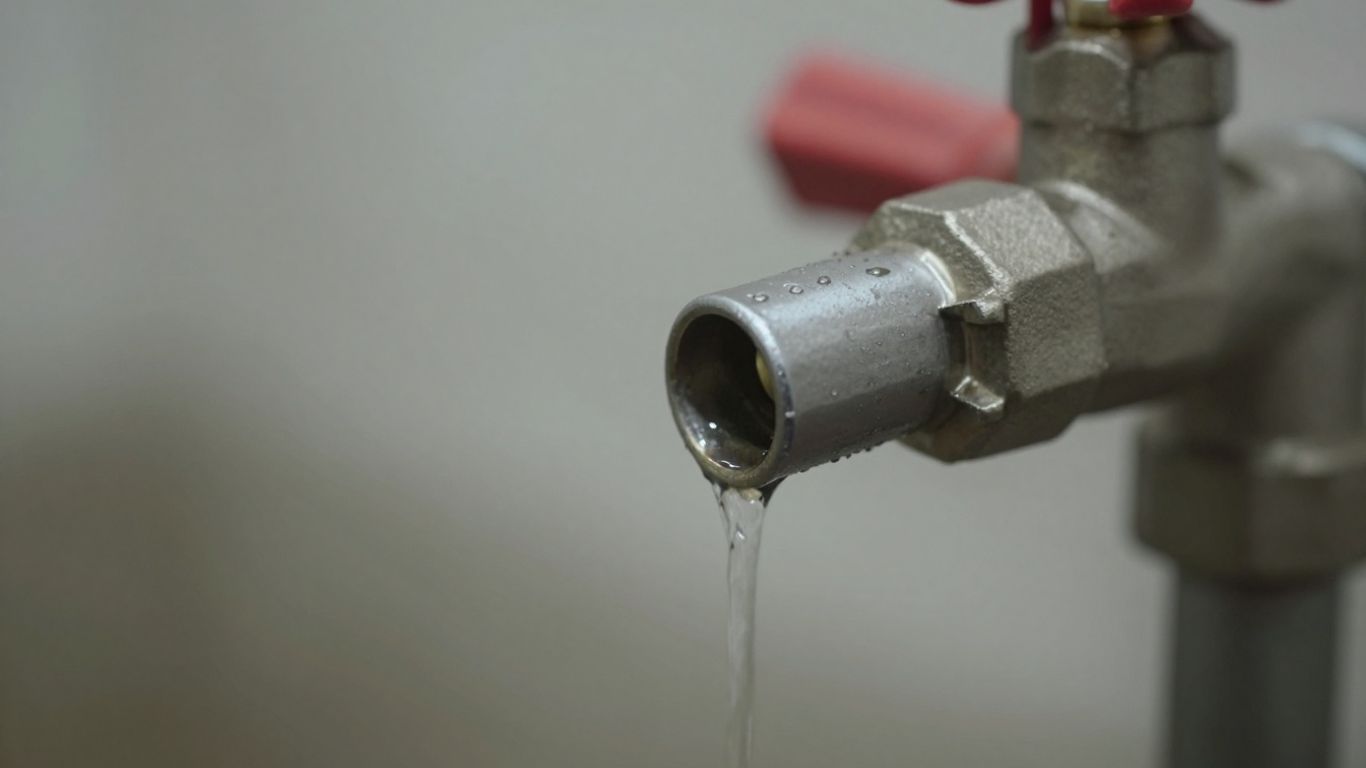
If you’ve noticed your hot water system relief valve keeps dripping, you might be tempted to handle it yourself. Sometimes, though, you’ll run into situations where calling in an expert is the best move. Knowing when the problem is out of your hands can save you tons of hassle and prevent bigger issues down the line.
Persistent Leaks After Troubleshooting
- If you’ve tried adjusting pressure and temperature, flushed the tank, and checked the valve, yet the dripping won’t quit, it’s probably time to get a plumber involved.
- Valves that continue to leak could indicate internal tank problems or pressure issues you can’t fix without specialist gear.
- Leaving a persistent leak unchecked can lead to water damage and efficiency loss — not to mention, it gets expensive quickly. A leaking hot water heater relief valve can signal worse problems within the unit.
Suspected Internal Component Failure
- Strange noises (like banging or hissing) that go with a leaking valve could mean a broken thermostat, failing heating element, or pressure regulator fault.
- If you spot rust, corrosion, or mineral buildup that cleaning doesn’t fix, there’s a good chance parts inside the tank are on their way out.
- Any time you see water leaking from places other than the relief valve, the internal structure could be at risk and a professional assessment is safest.
Complex System-Wide Problems
- Pressure fluctuations that affect the whole house, inconsistent hot water supply, or pressure gauge readings that make no sense point to bigger plumbing issues.
- If you’re not sure what’s causing the leak, or your hot water system is old and acting up in more ways than one, a plumber can check the system so you don’t have to guess.
- Complex installs (mixing valves, expansion tanks, recirculation systems) might have specific problems only a trained technician will catch. Persistent leaks necessitate professional attention.
| Problem Sign | When to Call a Professional |
|---|---|
| Dripping despite all home fixes | Immediately |
| Unusual sounds or rust/corrosion | Upon first notice |
| Sudden water temperature spikes | As soon as possible |
| Water leaking from other areas | Straight away |
| System-wide pressure issues | Promptly |
Acting fast when your relief valve just won’t stop leaking, or when things look out of place, protects your home from water damage and avoids bigger, pricier headaches. Don’t wait for a full-blown breakdown—sometimes, a quick call to a local pro saves you in the long run.
Preventing Future Hot Water System Relief Valve Leaks
Look, nobody wants to deal with a leaky relief valve. It’s a hassle, and frankly, it can be a bit worrying. The good news is, a lot of these issues can be avoided with a bit of regular attention. It’s all about staying ahead of the game rather than waiting for something to go wrong. Think of it like getting your car serviced – you do it to stop bigger problems down the track.
Routine Professional Maintenance
Getting a qualified plumber to give your hot water system a once-over each year is probably the single best thing you can do. They’ve got the know-how and the tools to spot little things that you might miss. They can check the pressure, make sure the temperature is set right, and even look for early signs of wear on the relief valve itself. It’s a small investment that can save you a heap of trouble and money later on. Plus, they can advise on things like energy-efficient HVAC systems if your whole setup is getting a bit long in the tooth.
Monitoring Water Pressure and Temperature
Your home’s water pressure is a big one. If the pressure coming into your house is too high, it puts constant strain on your hot water system, especially that relief valve. You can get a simple pressure gauge to check this yourself, or ask your plumber to do it during their visit. Ideally, your home’s water pressure should be between 40 and 60 psi. Anything consistently over 80 psi is asking for trouble.
As for temperature, keeping it sensible is key. Setting your hot water system too high, say above 125°F (52°C), not only wastes energy but also puts extra stress on the valve. It’s a common reason for the valve to drip.
Proactive Replacement of Aging Components
Relief valves aren’t designed to last forever. They do a tough job, and over time, they can wear out. If your hot water system is getting on a bit, or if you’ve had to test the relief valve a few times recently, it might be worth considering replacing it before it starts causing problems. It’s a relatively inexpensive part, and replacing it proactively can prevent a more serious issue, like a tank failure. Don’t just cap or plug a dripping valve; that’s a recipe for disaster and something you should never do.
A little bit of preventative care goes a long way. Regularly checking the simple things like water pressure and temperature settings, combined with annual professional servicing, can significantly reduce the chances of your relief valve acting up. It’s about being smart with your home maintenance.
The Bottom Line
Figuring out why your hot water system relief valve is dripping doesn’t have to be a headache. Knowing the difference between a normal little drip and a sign of a bigger problem is the first step. Once you know what’s up, you can act fast. Whether it’s just tweaking the temperature, adding an expansion tank, or calling in a plumber, sorting out small issues quickly stops them from turning into costly disasters. Regular check-ups and keeping an eye on things are the best ways to make sure your hot water system works safely and well for ages.
Frequently Asked Questions
What exactly is a hot water system relief valve?
Think of it as a safety guard for your hot water tank. Its main job is to let out water if the pressure or temperature inside the tank gets too high. This stops the tank from getting damaged or causing a bigger problem.
Is it normal for the relief valve to drip sometimes?
A tiny, occasional drip might happen, especially when the water inside heats up and expands. This is usually the valve doing its job. But if it’s leaking constantly, that’s a sign something else is wrong.
What's the most common reason for a relief valve to leak?
Often, it’s because the pressure inside the tank is too high. This can happen if the water temperature is set too high, or if there’s a problem with how the water expands when heated. Sometimes, the valve itself might just be old or faulty.
How can I check if my water pressure is too high?
You can buy a simple pressure gauge that screws onto an outdoor tap. Turn the tap on fully and check the reading. If it’s consistently higher than what’s recommended for homes (usually around 60-80 psi), you might have a pressure issue.
Should I try to fix the dripping valve myself?
You can try a few simple things, like checking the temperature setting (make sure it’s not above 120°F) or carefully trying to clean the valve. But if the leak continues, it’s best to call a qualified plumber. They have the tools and know-how to figure out and fix the real problem.
What happens if I ignore a leaking relief valve?
Ignoring it isn’t a good idea. A constant leak can waste water and energy. More importantly, if the valve isn’t working right and pressure builds up too much, it could lead to serious damage to your water heater or even your home.