
Here are the main points to remember when figuring out the real cost of a solar energy system in Australia for 2026. It’s more than just the sticker price, so pay attention to these details.
Key Takeaways
- The average cost for a 6.6kW solar system in Australia in 2026, after rebates, is around $4,000 to $6,500.
- Factors like panel quality, inverter type, and installation complexity significantly affect the total solar energy system cost.
- Government rebates, like the STCs, are crucial for reducing your upfront expense; always factor these in.
- Installing solar during autumn or winter might mean shorter wait times and getting ready for peak summer production.
- A quality solar energy system is a long-term investment that can lower bills, increase property value, and offer good returns over its lifespan.
Understanding The True Solar Energy System Cost In Australia For 2026
So, you’re thinking about getting solar panels in Australia for 2026? That’s a smart move, especially with electricity prices doing their usual dance upwards. But before you get a quote, let’s chat about what ‘true cost’ really means. It’s not just about the price tag you see upfront; there are a few things that can really change the final number you’ll be paying out of your own pocket.
Key Factors Influencing Solar Energy System Cost
When you’re looking at solar, a few big things will nudge the price around. Think about the quality of the gear – are you going for the top-shelf panels and inverters, or something more budget-friendly? The better the quality, the more you’ll likely pay initially, but it often means more power generated over the years. Then there’s the installation itself. Some installers are pricier than others, and where you live can also play a role. Rural areas might cost more to get to than a city suburb. And don’t forget about the size of the system you need. A small setup for a unit will be way cheaper than a massive one for a big family home with a pool.
Here’s a quick rundown of what affects the price:
- Hardware Quality: Premium panels and inverters cost more but usually last longer and produce more energy.
- System Size: Bigger systems (measured in kilowatts, kW) cost more but generate more power.
- Installation Complexity: Difficult roof types or locations can increase labour costs.
- Brand Reputation: Well-known brands often come with a higher price tag.
Average Solar Energy System Cost By Size
To give you a rough idea, here are some typical costs you might see in 2026. Remember, these figures usually have the federal rebates already taken off, so it’s closer to what you’ll actually pay. These are just averages, mind you, and your specific situation might be a bit different.
| System Size | Typical Cost (After Rebates) | Best For |
|---|---|---|
| 5kW | $4,000 – $5,500 | Small homes, basic needs |
| 6.6kW | $5,000 – $6,500 | Most family homes |
| 10kW | $8,000 – $10,500 | Larger homes, high usage |
It’s easy to get caught up in the initial price, but remember that solar panels are a long-term investment. Cheaper systems might seem appealing now, but they could end up costing you more down the track if they don’t perform well or break down.
The Impact Of Hardware Quality On Solar Energy System Cost
When we talk about hardware, we’re mainly looking at the solar panels themselves and the inverter. You can get panels that are super efficient, meaning they squeeze more electricity out of every bit of sunshine. These usually cost more per panel. Then there are inverters – the brains of the operation that convert the DC power from your panels into AC power for your home. A good quality inverter is vital for the system’s overall performance and lifespan. While it might seem tempting to go for the cheapest option, investing in higher-quality hardware often pays off in the long run through better energy production and fewer headaches. For instance, the cost of racking for a 100kW system can range from $10,000 to $20,000, and premium options can add another 15-30% to that [515a].
Navigating Solar Panel Prices And Installation Expenses
Sorting out the real cost of solar in Australia means looking beyond the sticker price. There’s hardware to count, install fees to weigh up, and even local quirks to watch for. Sometimes, the numbers can be a bit of a surprise.
Individual Solar Panel Pricing Versus System Costs
It’s pretty rare for Aussie homeowners to buy a single panel—solar is almost always sold in full kits. In 2026, an individual solar panel usually falls between $80 and $300, depending on the brand and wattage (cost of a single solar panel). Still, buying panels on their own rarely tells the whole story. Most of what you pay goes to the complete system, which includes:
- Panels (themselves)
- Inverter
- Mounting and racking
- Electrical components
- Monitoring equipment
Here’s a quick look at average system pricing across sizes:
| System Size | Typical Installed Cost (after rebates) |
|---|---|
| 3 kW | $3,000 – $5,000 |
| 6.6 kW | $4,000 – $8,000 |
| 10 kW | $7,000 – $12,000 |
The bigger the system, usually, the lower your cost per watt. Most families go for something in the 6.6 kW area—big enough to really shrink power bills, but still affordable.
Installation Labour And Associated Expenses
The job’s not finished once you buy the kit—putting panels on your roof is where labour adds up. What you pay depends on:
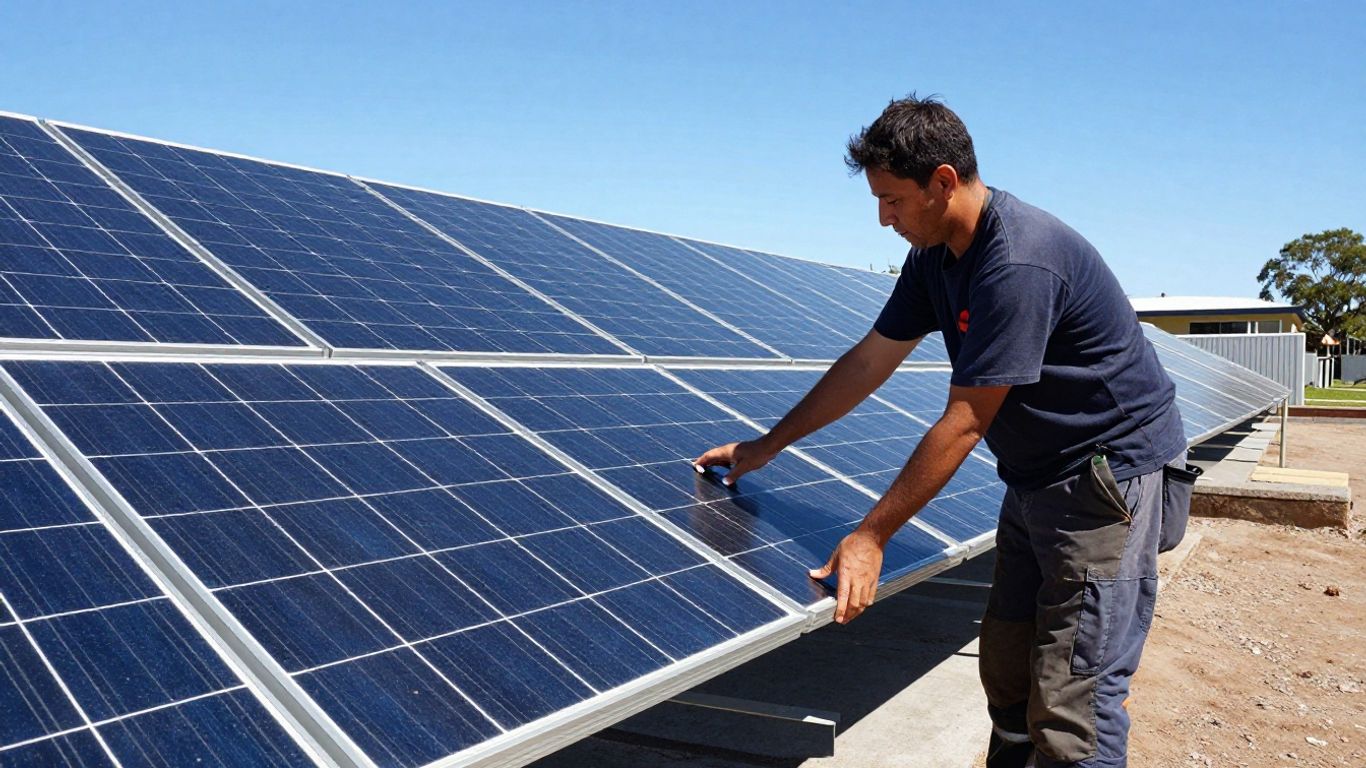
- Your roof’s shape & steepness: Steep or double-storey? Costs rise.
- Roof material: Tiled roofs usually cost more than tin or Colorbond.
- Site complexity: Long inverter runs, switchboard upgrades, or older homes needing extra safety checks rack up more.
- Quality of installer: Those with strong reputations or higher standards will charge more, but often deliver better results.
Some standard jobs keep the cost down, but unique sites or outdated wiring can make prices spike quickly.
The Role Of Location In Solar Energy System Cost
Where you live changes plenty. Bigger cities like Sydney or Melbourne? There’s more installer competition, which usually means sharper prices. Rural areas—or spots with few install companies—often see costs climb, sometimes due to travel or less choice.
Install costs move up or down depending on:
- Local demand for qualified solar installers
- Transport distances (rural properties get hit hardest)
- Solar feed-in tariffs, which can vary between states
- Regional regulations for electrical work
Picking a local installer familiar with your area’s rules and weather can save headaches down the track—even if their quote sits a touch higher.
The upshot: Don’t just check the cost of the panels. Look at the whole package, see what’s included, who’s installing it, and how your postcode changes things. That’s the only way to work out if you’re getting a fair deal or just a seemingly cheap headline price.
Maximising Your Investment Through Rebates And Incentives
So, you’re thinking about getting solar panels for your place in Australia. That’s a smart move, especially with the way electricity prices are going. But let’s be real, the upfront cost can seem a bit daunting. Luckily, there are some pretty good government schemes and incentives out there designed to bring that price down. Understanding and claiming these can make a massive difference to what you actually pay out of pocket.
Federal Solar Rebates And Their Impact
Australia has a national rebate system that works through Small-scale Technology Certificates, or STCs. Basically, when you install a solar system, you earn these certificates. The more power your system is expected to generate over its lifetime, the more STCs you get. Your installer usually handles this for you, applying the value of these STCs as an upfront discount on your system’s price. It’s not based on the brand of panel you pick, but purely on the system’s size and its potential to generate clean energy. For a typical system in 2026, this can knock thousands of dollars off the total cost. It’s worth noting that the value of these STCs does decrease a little each year as the scheme winds down, so getting in sooner rather than later is generally a good idea.
State-Specific Incentives And Battery Programs
On top of the federal rebate, many states offer their own sweeteners. These can vary quite a bit, so it’s worth checking what’s available in your specific area. Some states might have programs that offer interest-free loans for solar installations, which can really help spread the cost. Others have specific incentives for adding battery storage to your system, like the Cheaper Home Batteries Program. These state-based programs can sometimes add even more savings on top of the federal STCs, potentially saving you thousands more. It’s a bit of a maze sometimes, trying to figure out exactly what you’re eligible for, but the savings can be substantial.
Claiming Rebates To Reduce Out-Of-Pocket Solar Energy System Cost
Getting the most out of these rebates isn’t always straightforward. You need to know what’s available and how to claim it correctly. Many homeowners miss out simply because they aren’t aware of all the options or find the process confusing.
Here’s a general idea of how it works:
- Check your eligibility: The first step is to see which federal and state rebates you qualify for. This often depends on your location, the size of the system you’re planning, and whether you’re adding a battery.
- Get quotes from installers: Make sure your quotes clearly show how the STCs and any other applicable rebates are being applied as a discount.
- Understand the paperwork: While installers often handle the STCs, you might need to do a bit of paperwork for state-specific incentives. Don’t be afraid to ask your installer for help or guidance.
- Consider professional assistance: If it all feels a bit overwhelming, there are services that specialise in helping homeowners navigate these rebates and incentives, making sure you don’t miss out on any potential savings. Maximising your solar rebate can significantly lower your initial outlay.
It’s easy to get caught up in the panel brands and inverter specs, but don’t forget the financial side. The government incentives are there for a reason – to make solar more accessible. Taking the time to understand and claim what you’re entitled to is just as important as choosing the right hardware. It’s about making your solar investment work as hard as possible for your wallet from day one.
Remember, these incentives can change, so it’s always best to get the most up-to-date information for your situation. It’s a bit like trying to get your Instagram Reels just right – you need to know the current trends and how to make them work for you.
Strategic Considerations For Purchasing Solar Systems
So, you’re thinking about getting solar panels for your place in 2026. That’s a smart move, but when you actually go to buy, there are a few things to mull over. It’s not just about picking the first quote you get. Thinking ahead can save you a fair bit of cash and make sure you’re happy with your system for years to come.
Timing Your Solar Purchase For Maximum Benefit
When you decide to buy can actually make a difference. While the big federal rebates are winding down, there are still incentives out there, and electricity prices aren’t exactly going down. Getting in before any further changes or potential price hikes is often a good idea. Plus, the technology keeps getting better, but so does the cost of installation sometimes. Making an informed decision about when to buy is as important as the system itself. It’s worth looking into what’s happening with energy prices and government support right now.
The Advantages Of Autumn And Winter Installations
It might sound a bit odd, but installing solar panels during the cooler months, like autumn or winter, can sometimes be a good move. Installers are often less busy then, which might mean they’re more flexible on pricing or scheduling. You also get the system up and running before the peak demand of summer hits, so you’re ready to go when the sun’s really shining. It’s a bit of a trade-off – you might not see the immediate savings during those shorter, cloudier days, but you’re set for the long haul. It also means less disruption when things are heating up outside.
Understanding The Long-Term Value Of Quality Solar
When you’re looking at quotes, you’ll see a big difference between the cheapest option and something a bit more premium. It’s tempting to go for the lowest price, but remember, these panels are meant to last 20 years or more. Cheaper gear might not perform as well over time, could degrade faster, and might have weaker warranties. Investing a bit more upfront in quality panels and a reputable inverter brand can mean better energy generation year after year, fewer headaches with repairs, and ultimately, a better return on your investment. Think about it like buying a car – the cheapest one might get you from A to B, but a slightly more expensive, well-built one will likely serve you better for longer. It’s about the total cost over the system’s life, not just the sticker price today. For a breakdown of how different brands stack up, you can check out solar panel costs.
It’s easy to get caught up in the initial price tag, but a solar system is a long-term commitment. Considering the quality of the components, the installer’s reputation, and the warranty terms will pay off down the track. A well-chosen system will continue to provide significant savings and energy independence for many years, far outweighing any small upfront savings from a cheaper, lower-quality alternative.
Evaluating Solar Energy System Performance And Longevity
Panel Efficiency Ratings And Energy Yield
When you’re sizing up solar for your place, panel efficiency is the number you don’t want to ignore. It tells you what percentage of sunlight hitting a panel is actually turned into usable electricity. Most panels these days fall between 18% and 22%, but the premium stuff can squeeze out a bit more. If you’ve got a small roof and big electricity goals, those higher efficiency panels can make all the difference.
Here’s a simple table showing average energy yield by panel rating for typical Aussie conditions:
| Panel Efficiency | Annual Output (per kW installed, kWh) |
|---|---|
| 18% | 1,350 – 1,450 |
| 20% | 1,400 – 1,550 |
| 22% | 1,450 – 1,600 |
But efficiency isn’t everything. If a panel can’t hack the heat or a bit of wild weather, the numbers won’t count for much over 20 years. Go for panels with a strong reputation for handling those relentless Aussie summers.
System Lifespan And Warranty Considerations
If you’re looking at value over the long haul, how long the system lasts absolutely matters. Most quality solar panels are expected to work anywhere from 25 to 30 years. Inverters—those essential pieces of kit that convert panel energy for home use—may only last about 10-15 years, so factor in a replacement down the track. Check out more about how the sun really shapes solar panel lifespan.
Good warranties on panels run from 10 up to 25 years for both product and performance. But… that warranty is only useful if the manufacturer is still around in 15 years, so it’s smart to stick with well-known brands. You really want:
- At least 20 years product and performance warranty on panels
- System components, like inverters, with a 10-year warranty
- Labor coverage on installation (even if only for a year or two)
A decent warranty means less stress if something goes pear-shaped—especially in a climate as tough as ours.
The Importance Of Professional Installation For Durability
Here’s the bit plenty of people overlook: who installs your solar system can be just as important as what you buy. Even the best panels or inverters will let you down if they’re not set up correctly. Roof leaks, wiring issues, and underperforming systems often come from dodgy workmanship, not dodgy hardware.
A proper install means:
- The panels are securely fixed to handle high winds
- All electrical connections are watertight
- The optimum tilt and orientation is used for your specific roof
- Compliance with all local safety and energy standards
Choosing an accredited electrician—ideally with solid local experience—improves the odds your system runs well for decades and protects your warranty. And in the bigger picture, every good install gets us closer to bigger targets for Australia’s solar energy future.
To sum it all up: performance and longevity are where the real payback happens. Don’t skimp on quality or installer experience, and your solar will look after you for years.
Beyond The Initial Solar Energy System Cost: Long-Term Value
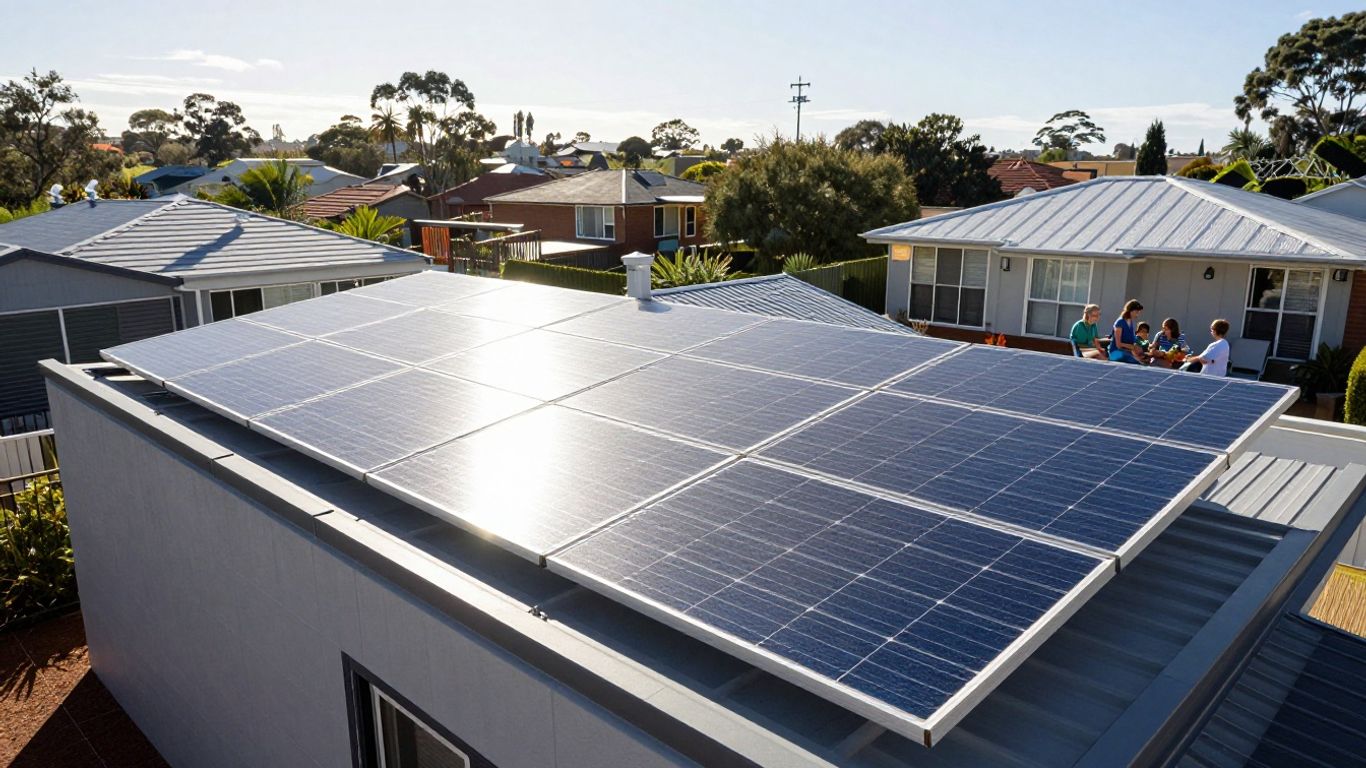
So, you’ve looked at the price tag, factored in the rebates, and you’re thinking about taking the plunge with solar. That’s great! But the real story with solar isn’t just what you pay upfront. It’s about what that system does for you over the next 20, 25, or even 30 years. We’re talking about turning your roof into a little power station that works for you, day in and day out.
Reducing Electricity Bills Through Self-Generation
This is the big one, right? Every kilowatt-hour your panels generate is a kilowatt-hour you don’t have to buy from the grid. And let’s be honest, those electricity bills can be a real shocker, especially during those scorching summer months or chilly winter evenings. By generating your own power, you’re essentially locking in a lower energy cost for yourself. Think about it: instead of paying whatever the energy company decides to charge, you’re paying a fixed, predictable cost for your own sunshine power. Over time, this adds up to some serious savings. The goal is to offset as much of your daily usage as possible.
Here’s a quick look at how much you might save:
| System Size | Estimated Annual Savings (2026) |
|---|---|
| 5 kW | $1,200 – $1,800 |
| 8 kW | $1,800 – $2,700 |
| 10 kW | $2,200 – $3,300 |
Note: These are estimates and actual savings depend on your location, energy usage, system efficiency, and feed-in tariffs.
The Investment Potential Of Solar Energy Systems
When you buy solar panels, you’re not just buying electricity; you’re making an investment. It’s a bit like buying shares in your own energy future. The initial cost might seem high, but when you consider the decades of free electricity and potential income from feeding excess power back to the grid, the numbers start to look pretty good. Calculating your solar panel ROI is key here. It helps you see how long it will take for your system to pay for itself and then start generating pure profit. Many homeowners find that their system pays for itself within 3 to 7 years, and then it’s all savings from there on out. You can even use a solar ROI calculator to get a clearer picture for your specific situation.
Enhancing Property Value With Solar Integration
It’s not just about your wallet; it’s about your home too. Homes with solar panels are increasingly attractive to buyers. Why? Because they signal lower ongoing living costs. Think about it from a buyer’s perspective: a house that comes with a built-in electricity discount? That’s a pretty sweet deal. Studies have shown that homes with solar systems can sell faster and for a higher price than comparable homes without them. It’s a tangible upgrade that adds real value to your property, making it a more desirable asset in the long run.
When you’re looking at solar, don’t just focus on the sticker price. Think about the long game. What will this system do for your bank account and your home’s value over the next couple of decades? Quality components and good installation are worth the extra bit upfront because they mean fewer headaches and more savings down the track. It’s about getting the most bang for your buck, not just today, but for years to come.
Conclusion
So, getting solar in 2026 is still a really good idea for most Aussie homes. It’s not just about saving money on bills, though that’s a big part of it. It’s about taking control of your energy and making a smart investment for your property. Remember to look past the initial price tag. Think about the quality of the gear, how it’s put together, and what government help you can get. By doing your homework, you’ll end up with a system that works well for years and years, saving you cash and helping the planet.
Frequently Asked Questions
What's the average solar energy system cost for a typical Aussie home in 2026?
For a common 6.6kW system, you’re generally looking at spending between $4,000 and $6,500 after you take off the government rebates. This size is usually enough for most family homes.
Does the brand of solar panel really change the price a lot?
Yes, it can. Higher-quality panels from well-known brands often cost more upfront. But they usually last longer and produce more power over time, which can save you money in the long run.
Are there any government deals or discounts I can use?
Definitely! Australia has federal solar rebates, like the STCs, that lower the price you pay. Some states also have extra programs, especially for batteries. It’s worth checking what you’re eligible for.
Is it cheaper to get solar installed in winter?
Sometimes. Installers might be less busy in autumn and winter, so you might get quicker installation times. This means you’re all set to make the most of the sun when summer hits.
How long will my solar panels actually last?
Good quality solar panels are built tough to handle Australia’s weather. Most come with a 25-year performance warranty. While they might get a tiny bit less efficient over time, they should still work well for over two decades.
Will getting solar increase my home's value?
Yes, it often does. Buyers like homes that are energy-efficient and have lower electricity bills. So, a solar system can make your property more attractive when you decide to sell.