
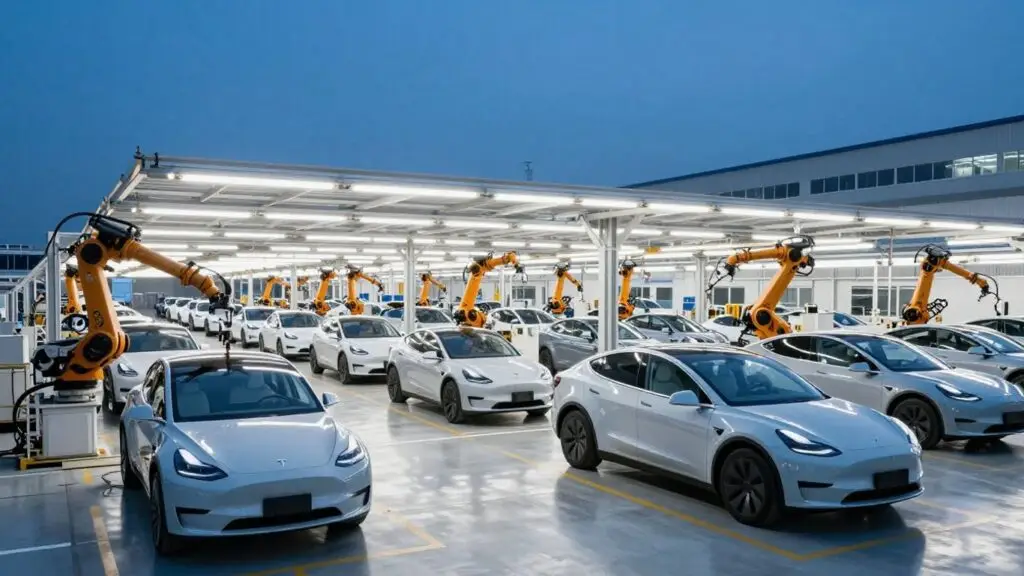
Wondering where your Tesla comes from? Tesla has a worldwide network of factories, each playing a part in building their electric cars and energy products. Here’s a quick look at the main places.
Key Takeaways
- Tesla’s cars are made in several major factories, known as Gigafactories, located in the USA, China, and Germany.
- Gigafactory Shanghai in China is a huge production centre, making a large portion of Tesla’s global car output, including those sent to Australia.
- The Fremont Factory in California is Tesla’s original car plant, still producing popular models.
- Gigafactory Texas is a massive facility focused on new models like the Cybertruck, and Gigafactory Nevada specialises in batteries and drivetrains.
- Tesla is expanding its manufacturing with new plants planned, including one in Mexico, to meet future demand and new vehicle projects.
Global Manufacturing Hubs: Where Are Tesla Cars Made?
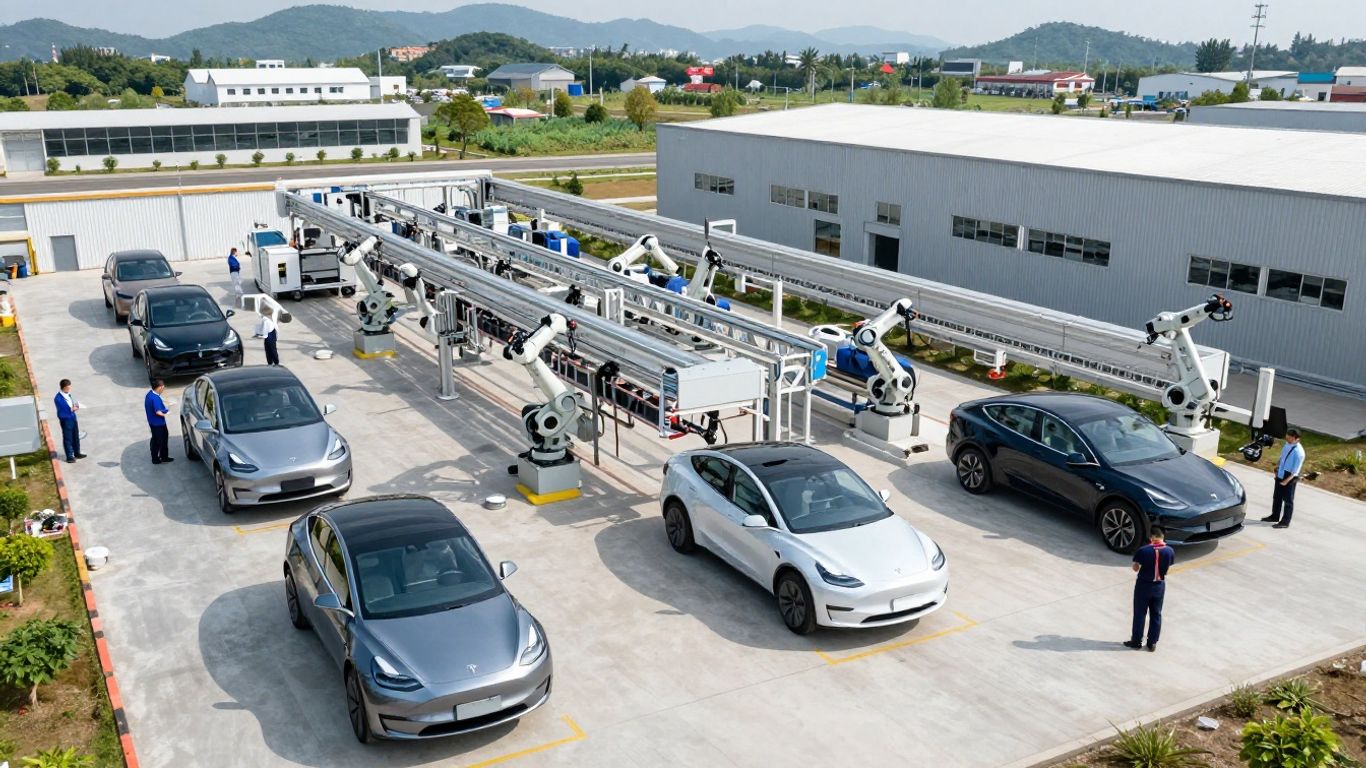
Alright, let’s talk about where the magic happens for Tesla cars. It’s not just one place, you know? Tesla has spread its wings and set up these massive factories, called Gigafactories, in a few key spots around the globe. This way, they can build cars closer to where people actually want to buy them, which makes a lot of sense when you think about it.
Gigafactory Shanghai: The Asian Powerhouse
This place in China is a real workhorse. Opened in early 2019, Gigafactory Shanghai is a huge deal for Tesla, especially for the Asian market. It pumps out Model 3 and Model Y vehicles, and guess what? It’s the factory that builds all the Teslas sent down to Australia. Pretty wild, right? They’ve got the capacity to churn out over 750,000 cars a year from this single location. What’s also interesting is that it’s fully owned by Tesla, no joint ventures involved, which is a bit different from how other foreign car companies do things over there. It really shows how important this factory is for their global strategy, making it a cornerstone of their Asian production.
Gigafactory Berlin: European Production Centre
Over in Germany, Gigafactory Berlin is Tesla’s main European production hub. This facility is busy building the Model Y and Model 3, specifically for customers across Europe. It’s not just about making cars, though. Tesla is also working with local universities there, training folks in things like robotics and automation. It’s a smart move, building cars locally for the European market and helping to develop skilled workers at the same time.
Gigafactory Texas: American Manufacturing Giant
Then there’s Gigafactory Texas, or Giga Texas as some call it. This place is enormous, located just outside Austin. It’s one of Tesla’s newest and biggest factories, and it’s primarily focused on building the Model Y and the rather unique Cybertruck. With thousands of people already working there, it’s set to grow even bigger. This factory is a massive part of Tesla’s American manufacturing might, helping them meet demand across North America and beyond. It’s a real testament to their manufacturing scale.
These global manufacturing sites aren’t just about building cars; they’re strategically placed to cut down on shipping times and costs, making it easier and quicker to get vehicles to customers all over the world. It’s all about efficiency and being where the buyers are.
Key Tesla Production Facilities And Their Roles
Beyond the massive Gigafactories, Tesla has a few other significant sites that keep the whole operation humming along. These places might not build entire cars from scratch, but they’re super important for specific parts and future tech.
Fremont Factory: The Original Tesla Plant
This is where it all began for Tesla’s car manufacturing. Located in Fremont, California, this factory has been churning out vehicles for ages. It’s where you’ll find the production lines for models like the Model S and Model X, alongside the more common Model 3 and Model Y. Being so close to Silicon Valley has its perks, no doubt, giving it access to a lot of tech talent and innovation.
Gigafactory Nevada: Battery and Drivetrain Specialisation
Out in the Nevada desert, Gigafactory Nevada is a bit of a different beast. It’s not primarily about assembling cars, but it’s absolutely vital for the guts of the electric vehicles. Think battery packs and drivetrains – the stuff that makes EVs go. They also build the Tesla Semi trucks here and components for the Powerwall home battery system. It’s a huge place, and the goal is for it to be totally self-sufficient energy-wise, which is pretty wild when you think about it. Elon Musk has even said we’d need about 100 of these places to really shift the world to sustainable energy.
Gigafactory New York: Solar and Charging Infrastructure
Gigafactory New York, up in Buffalo, is another specialised facility. This one focuses on renewable energy products. They manufacture Tesla Solar Roof tiles and solar panels, aiming to make integrating clean energy into homes and businesses easier. Plus, it plays a role in supporting the Supercharger network by producing parts for the charging stations. It’s a good example of how Tesla is thinking about the whole energy picture, not just the cars themselves. They’re also doing some advanced software work here, particularly for the Autopilot system, which is pretty neat.
These specialised facilities highlight Tesla’s strategy of not putting all its manufacturing eggs in one basket. By having dedicated sites for batteries, solar, and software, they can really focus on improving those specific areas, which ultimately benefits the entire product line and their mission for sustainable energy. It’s a smart way to manage a complex business.
Here’s a quick rundown of what these specialised factories contribute:
- Fremont Factory: Full vehicle assembly for flagship and popular models.
- Gigafactory Nevada: Battery packs, drivetrains, Tesla Semi, and Powerwall components.
- Gigafactory New York: Solar panels, Solar Roof tiles, and Supercharger station parts.
It’s clear that each location has a specific job to do, contributing to Tesla’s overall manufacturing process and their broader goals.
Strategic Locations For Tesla's Vehicle Output
Serving Regional Markets: The Shanghai Advantage
Tesla’s Gigafactory Shanghai is a real powerhouse, churning out a massive number of vehicles. It’s not just about sheer volume, though; its location is super smart. This factory pumps out Model 3 and Model Y cars primarily for the Asian market, but it also handles a lot of exports. Think about it – getting cars to customers in Asia from Shanghai is way quicker and cheaper than shipping them all the way from, say, Texas. This factory is so important that it’s been responsible for more than half of Tesla’s global production for quite some time. It’s a testament to how well-placed it is to serve a huge chunk of the world’s car buyers.
The strategic placement of manufacturing hubs like Shanghai allows Tesla to significantly cut down on shipping times and costs, making their electric vehicles more accessible and affordable in key international markets.
Optimising Supply Chains: European and American Operations
Across in Europe, Gigafactory Berlin is the go-to for Model Y and Model 3 production, specifically for the European continent. This means fewer headaches with customs and quicker deliveries for folks in Germany, France, the UK, and beyond. It’s all about making things efficient. Similarly, the Fremont Factory in California and Gigafactory Texas in Austin are the backbone of Tesla’s North American operations. Having these plants means they can respond faster to demand in the US, Canada, and Mexico. It’s a clever setup that helps keep the supply chain running smoothly, avoiding those long waits and high transport expenses you’d get if everything had to come from one place. It really shows how Tesla thinks about getting cars to people without a whole lot of fuss. You can explore some of the main manufacturing sites here.
Here’s a quick look at how these locations help:
- Reduced Transit Times: Cars built closer to customers mean less time on ships or trucks.
- Lower Logistics Costs: Shorter distances equal cheaper shipping bills.
- Faster Market Response: Tesla can ramp up production or introduce new models more quickly in regions with local factories.
- Supply Chain Resilience: Having multiple production centres means if one faces issues, others can help pick up the slack.
It’s a pretty neat way to manage the whole process, making sure that whether you’re in Sydney or Stuttgart, you’re not waiting an age for your new electric car. This approach is similar to how businesses in other sectors, like vacation rentals in places like Seminole, Florida, use local advantages to serve their customers better [ce22].
Tesla’s global manufacturing network is designed to put cars where the buyers are, making the whole process more efficient.
Future Manufacturing Footprint
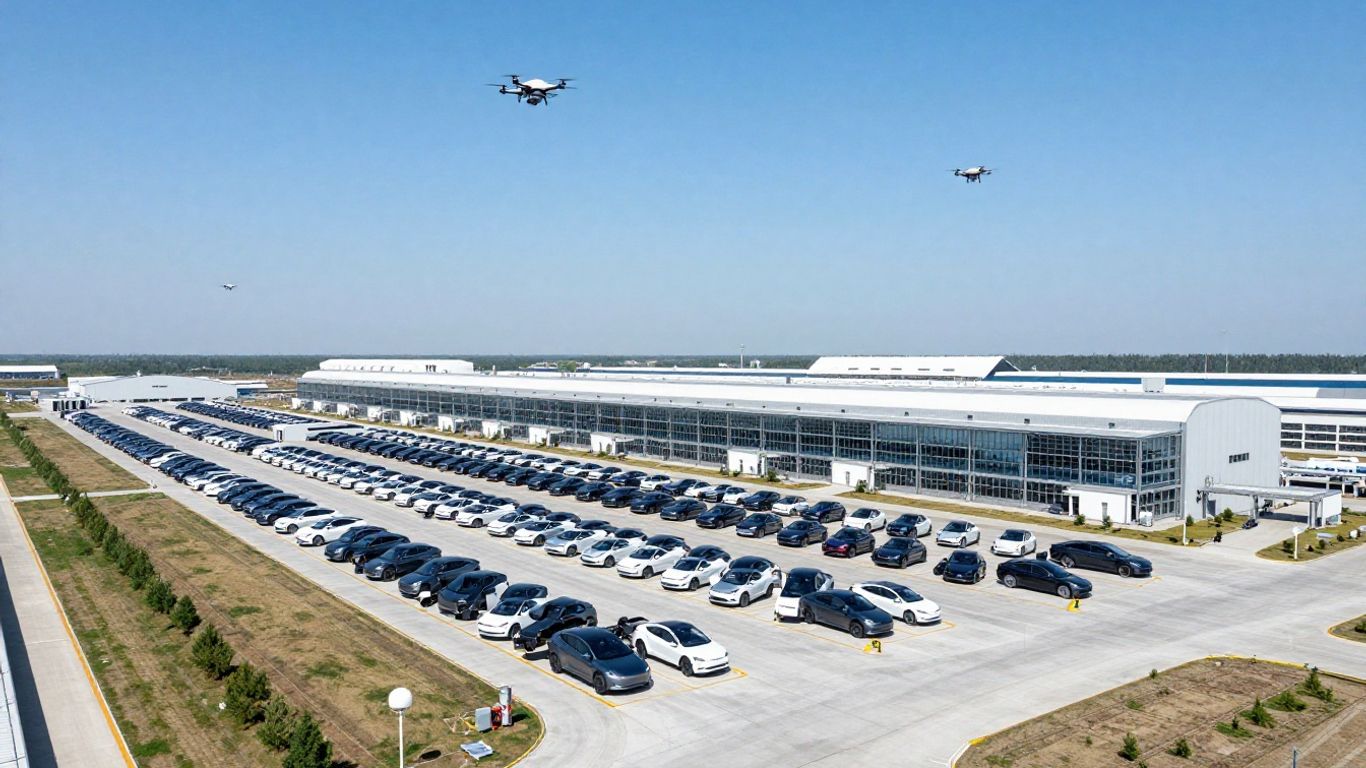
Tesla’s not slowing down when it comes to building more factories. They’re always looking for ways to get cars to more people, faster. It’s all about keeping up with demand and getting their vehicles into more driveways.
Upcoming Mexican Plant: Expanding Global Reach
Big news is the planned Gigafactory in Mexico, slated to start production late in 2026. This new facility is expected to pump out an extra million vehicles each year. It’s a massive move to boost their overall production numbers and serve markets more efficiently. This expansion is a clear sign of Tesla’s commitment to a global manufacturing strategy.
New Vehicle Production: The 'Redwood' Project
Beyond just more factories, Tesla is also gearing up to produce a new model, codenamed ‘Redwood’. This project is aimed at a more affordable segment of the EV market, potentially under $50,000. Initial production is planned for the Texas Gigafactory, with a move to the new Mexican plant later on. This new vehicle is expected to start production around mid-2025, broadening Tesla’s lineup and making EVs accessible to a wider audience. It’s all part of their plan to accelerate the world’s transition to sustainable energy.
Building these new facilities and developing new models isn’t just about making more cars. It’s about rethinking how cars are made, making the process more efficient, and getting them to customers wherever they are. It’s a huge undertaking, but that’s Tesla for you.
Here’s a quick look at what’s coming:
- Gigafactory Mexico: Expected to add 1 million vehicles annually starting late 2026.
- ‘Redwood’ Project: A new, more affordable EV model, with production starting mid-2025.
- Texas Gigafactory: Will handle initial ‘Redwood’ production before it moves to Mexico.
- Gigafactory Nevada: Continues to ramp up battery and drivetrain production to support new models.
Understanding Tesla's Manufacturing Network
Why Manufacturing Locations Matter For Buyers
So, you’re eyeing a new Tesla, maybe a Model 3 or a shiny Cybertruck. Ever stopped to think about where it actually gets built? It’s not just a random detail; where your car is made can actually have a bit of an impact. For folks down here in Australia, for instance, most of our Teslas come straight from Gigafactory Shanghai. Knowing this helps you understand delivery times and even the specific tweaks that might be made for the Asian market. It’s all about getting the right car to the right place, efficiently.
Tesla's Commitment to Sustainable Production
Beyond just churning out cars, Tesla’s factory locations are a big part of their whole sustainable future vibe. Take Giga New York, for example. It’s not just about building cars there; they’re also busy making solar panels and bits for charging stations. Plus, they’re powering up the factories themselves with renewable energy. It’s a pretty neat way to show they’re serious about clean energy, not just in the cars they sell, but in how they make them too.
Here’s a quick look at what some of the main factories are up to:
- Fremont Factory, California: The OG Tesla plant, still churning out popular models like the Model S and X.
- Gigafactory Shanghai, China: A massive operation, producing a huge chunk of Tesla’s global output, especially for the Asian market and exports.
- Gigafactory Berlin, Germany: Handling production for the European market, with a focus on automation and local training.
- Gigafactory Texas, USA: The latest giant, building the Model Y and the much-talked-about Cybertruck.
- Gigafactory Nevada: This place is more about the guts – batteries and drivetrains – plus assembling the Tesla Semi and Powerwalls.
Tesla’s strategy isn’t just about having factories; it’s about having them in smart spots. This means they can build cars closer to where people want to buy them, cutting down on shipping and making things run smoother. It’s a global puzzle they’re piecing together, one Gigafactory at a time, to keep up with demand and push their green goals.
Conclusion
So, where are Tesla cars made? It’s clear that Tesla has built a smart global network of factories to get their cars and energy products to people all over the world. From the massive production in Shanghai to the specialised work in Nevada and New York, and the big plans for Texas and Mexico, Tesla is always thinking about how to make and deliver more sustainable energy solutions. This widespread manufacturing helps them serve different regions better and keep pushing forward with new ideas. It’s an impressive setup that keeps growing as they aim to change how we all travel and use energy.
Frequently Asked Questions
Where are all Tesla cars made?
Tesla makes its cars in a few big factories around the world. The main ones are Gigafactory Shanghai in China, Gigafactory Texas in the US, and Gigafactory Berlin in Germany. They also have the Fremont Factory in California, which was their first car factory.
Are Teslas made in Australia?
Nope, Tesla doesn’t have any car factories in Australia. If you buy a Tesla in Australia, it most likely came from the Gigafactory in Shanghai, China. That’s where they send most of the cars for the Australian market.
Which factory makes the most Teslas?
Gigafactory Shanghai in China is the biggest producer. It makes a huge number of Tesla cars, often more than half of all the cars Tesla makes globally. This is why it’s so important for getting cars to places like Asia and even Europe and Australia.
What does Gigafactory Nevada make?
Gigafactory Nevada, near Reno, is super important for making the parts that go into Tesla cars. It’s where they build the battery packs and the electric motors (drivetrains). They also make parts for the Tesla Semi trucks and the Powerwall home battery systems there.
What is the new factory in Mexico for?
Tesla is building a new factory in Mexico. This plant will help them make even more cars and reach more customers. It’s expected to help build a new, more affordable electric car model that’s planned to start production in Texas before moving to Mexico.
Does Tesla only make cars?
Not at all! While cars are a big part, Tesla also makes other things. Gigafactory New York makes solar panels and parts for their charging stations. They also produce Powerwalls for storing energy at home. So, they’re involved in energy products too.