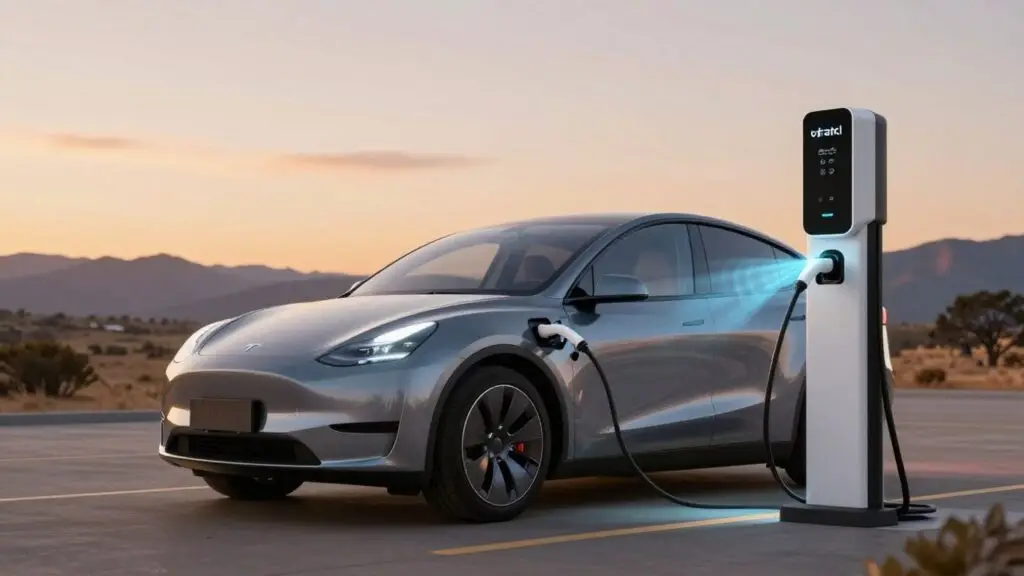
Here are the main points to remember about vehicle-to-grid technology and its role in Australia:
Key Takeaways
- Vehicle-to-grid (V2G) lets electric cars send power back to the electricity grid, not just take it.
- This technology can help balance the grid by storing cheap energy and releasing it during busy times.
- Australia is exploring V2G, with early research and some pilot projects, but charger rollout and EV compatibility are still developing.
- Globally, countries like Germany are already integrating V2G into their energy markets, showing its practical use.
- While V2G offers benefits like supporting renewables and potential owner payments, concerns about battery life and costs need careful consideration.
Understanding Vehicle-to-Grid Technology
The Evolution from Vehicle-to-Vehicle Charging
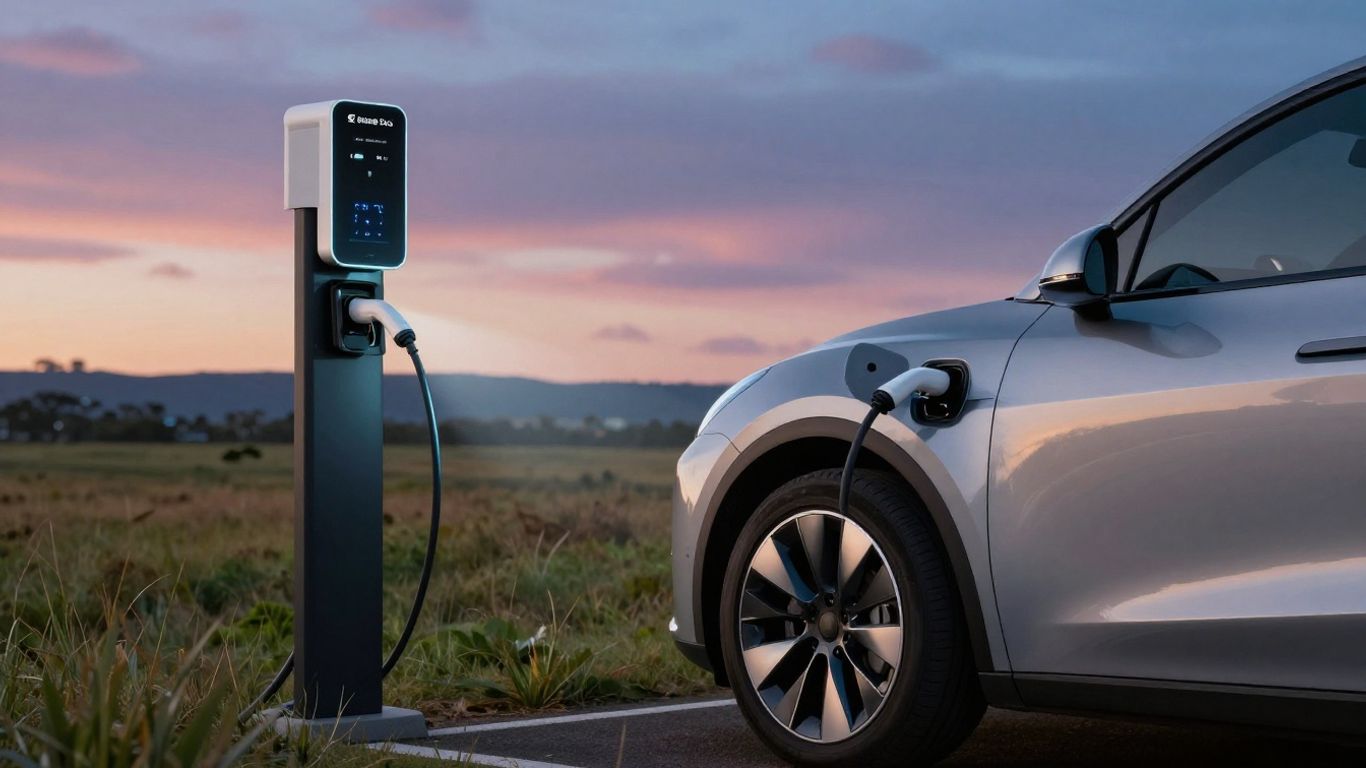
Vehicle-to-Grid (V2G) technology didn’t just appear out of nowhere. It actually grew from an earlier idea called Vehicle-to-Vehicle (V2V) charging. Back in the early 1990s, a company in California called AC Propulsion had this neat two-seater car, the Tzero, which could actually send power back and forth. This was the seed that eventually grew into the V2G concept we’re talking about today. Essentially, V2G is about making that two-way street of electricity work not just between cars, but between your car and the whole power grid. It’s a pretty clever way to use the batteries we’re already putting in our electric cars.
Balancing Grid Loads with Electric Cars
So, how does this help the grid? Well, think about when we use the most electricity. It’s usually during those peak times, like when everyone gets home from work and starts turning on lights, cooking, and watching TV. This puts a massive strain on the power network. V2G can help smooth out these bumps. Your electric car can charge up overnight when demand is low and electricity is cheaper – that’s called ‘valley filling’. Then, when everyone needs power in the afternoon or evening, the car can actually send some of its stored energy back to the grid. This is known as ‘peak shaving’, and it means the grid doesn’t have to work as hard to meet demand. It’s like having millions of tiny power plants ready to help out when needed. This ability to manage demand is a big deal for keeping the lights on reliably.
- Charging during off-peak hours: Utilise cheaper electricity when the grid isn’t busy.
- Discharging during peak hours: Send power back to the grid to reduce strain.
- Providing grid stability: Help maintain consistent voltage and frequency.
The idea is to turn electric vehicles into mobile energy storage units. Instead of just being a drain on the grid when charging, they can become an active participant, offering services that benefit everyone.
Vehicle-to-Home and Beyond
Beyond just helping the main power grid, V2G technology opens up other possibilities. One of the most exciting is Vehicle-to-Home (V2H) capability. Imagine a power outage at your house. With V2H, your electric car could act like a home battery backup, powering your essential appliances for days. It’s a pretty neat safety net to have. And it doesn’t stop there. The ‘beyond’ part, often called Vehicle-to-Everything (V2X), suggests even more integrations. This could mean powering tools on a worksite directly from your car, or even supporting local microgrids. The potential for these cars to do more than just drive is really quite significant, turning them into versatile energy hubs [d3cb].
| Service Provided | Description |
|---|---|
| Peak Shaving | Discharging energy to the grid during high demand periods. |
| Valley Filling | Charging energy from the grid during low demand periods. |
| Ancillary Services | Providing grid stability like frequency regulation. |
The Australian Vehicle-to-Grid Landscape
Australia’s journey with Vehicle-to-Grid (V2G) technology is still in its early stages, but there’s a growing buzz around its potential. Think of it as a bit of a slow burn, with researchers and industry players figuring out the best way forward.
Early Research and Development in Australia
Back in 2020, the Australian National University (ANU) kicked off some serious work with their REVS team, looking into how reliable and practical V2G could be on a larger scale. This research has been pretty important in shaping how we think about V2G here. They’ve been exploring everything from battery performance to how these systems can actually help keep our electricity grid stable. It’s all about making sure that when we do roll out V2G, it actually works and benefits everyone.
Challenges in V2G Charger Rollout
Getting V2G chargers into homes and businesses hasn’t been a walk in the park. While the first ones became available for purchase around 2022, things slowed down quite a bit. Each state’s power authority needed to give the green light, which meant a lot of paperwork and checks to make sure everything was safe and compliant with Australian standards. It’s a bit like getting a new gadget approved – takes time!
Limited EV Compatibility for V2G
Another hurdle has been the limited number of electric vehicles (EVs) that can actually talk to the grid. As of 2023, your options were pretty much limited to the Nissan Leaf and a few Mitsubishi hybrid models. This lack of choice makes it tough for people to jump on board, even if they’re keen. The future of V2G in Australia really depends on more car manufacturers making their EVs compatible with this technology.
The whole idea behind V2G is to use electric cars not just for driving, but as mobile batteries that can support our electricity network. It’s a clever way to make the most of the batteries already in these vehicles, especially when the grid needs a bit of help during peak times or when renewable energy sources are fluctuating. It’s a win-win if we can get it right.
Here’s a quick look at some of the key aspects:
- Research Initiatives: ANU’s ongoing work is a prime example.
- Regulatory Hurdles: State-by-state approvals for chargers.
- Vehicle Availability: Limited EV models currently support V2G.
- Cost Factors: High initial costs for chargers and compatible EVs.
It’s a complex puzzle, but the potential rewards for grid stability and renewable energy integration are significant. The V2G market is growing globally, and Australia is working to catch up.
Global Vehicle-to-Grid Implementations
German Energy Market Integration
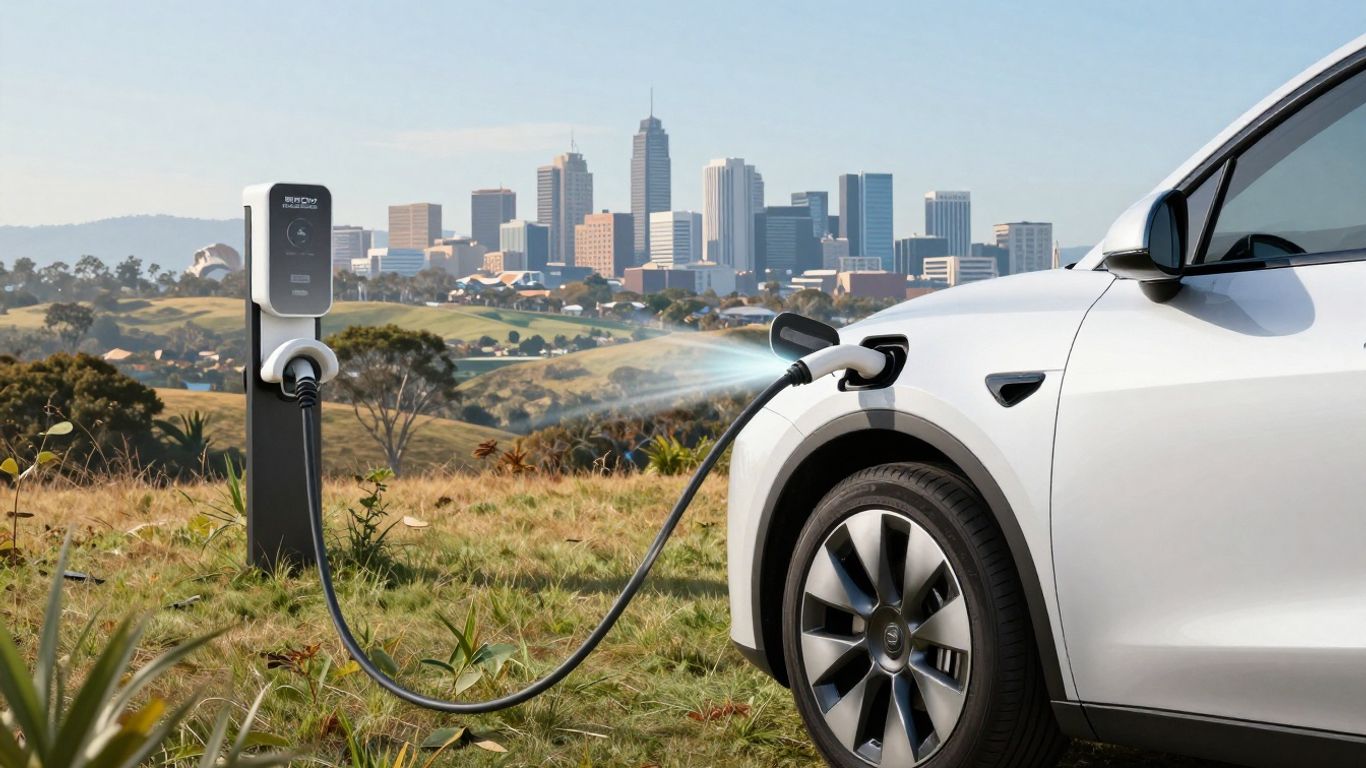
Germany’s been pretty keen on V2G for a while now. They had this big project called MeRegioMobil, which was funded by the government. Basically, they teamed up Opel with a power company called EnBW to see how it all worked in the real world. It was one of the earlier big pushes to get electric cars talking to the grid in Europe. They were looking at how EVs could help stabilise the power network, which is a pretty big deal when you’re trying to bring more renewable energy online.
International Pilot Projects
It’s not just Germany, though. V2G trials have popped up all over the place. Back in 2016, Nissan and Enel did a trial in the UK using a bunch of Nissan Leafs and e-NV200 vans. They were testing out 100 V2G charging units. Then there’s Nuvve, a company started by some of the folks who did early V2G research. They’ve been busy setting up pilot projects on pretty much every continent. It shows that lots of different places are keen to figure out how this technology can work for them. The University of Delaware has also been a hub for V2G research for years, with folks like Kempton and Advani publishing a lot of the early papers on the concept.
The idea is that your electric car, when parked, could actually be helping to keep the lights on for everyone else. It’s like having a mini power station on your driveway, ready to lend a hand when the grid needs it most. This could be a game-changer for managing electricity demand, especially as we use more renewable energy sources that aren’t always available.
V2G Solutions Companies
There are a growing number of companies out there trying to make V2G a reality. Nuvve, as I mentioned, is one of the big ones, working on V2G solutions and pilot projects globally. Then you’ve got companies like AC Propulsion, who were actually doing two-way charging way back in the 90s with their Tzero car. It shows this isn’t a brand-new idea, but it’s really only now that the technology and the electric car market are catching up. These companies are developing the hardware and software needed to make sure EVs can safely and effectively send power back to the grid. It’s a complex bit of tech, making sure the car’s battery is looked after while also providing a service to the grid. You can find out more about how V2G technology works by looking into these companies and their projects.
Economic and Environmental Benefits of V2G
Reducing Reliance on Fossil Fuels
Electric cars are already a big win for the environment, cutting down on tailpipe emissions and making our air cleaner. When you add Vehicle-to-Grid (V2G) technology into the mix, it’s like giving that environmental boost a superpower. Instead of just being a cleaner way to get around, your EV can actually help us move away from burning coal and gas for electricity. Think about it: when the sun isn’t shining or the wind isn’t blowing, we often rely on those older, dirtier power sources. V2G lets your car store clean energy from renewables and then feed it back to the grid when it’s needed most. This means less demand for fossil fuels, especially during those peak times when the grid is under the most pressure. It’s a smart way to make sure we’re using renewable energy more consistently and reducing our overall carbon footprint. This technology can really help in mitigating environmental impact.
Potential for Significant Owner Payments
So, your electric car isn’t just sitting there doing nothing when it’s parked. With V2G, it can actually earn you some cash. The electricity grid needs power at different times of the day, and sometimes, getting that power is more expensive. You can charge your car when electricity is cheap, like overnight, and then sell that stored energy back to the grid when demand is high and prices are up. This practice, sometimes called ‘carbitrage’, means you could see some decent payments coming your way. It’s not just about saving money on charging; it’s about making money from your car’s battery. Of course, the exact amount you could earn depends on a lot of factors, like electricity prices and how much you use your car, but the potential is definitely there.
Buffering Renewable Energy Sources
Australia’s push towards renewable energy is fantastic, but we all know the sun doesn’t always shine and the wind doesn’t always blow. This is where V2G really shines. It acts like a giant, distributed battery system, helping to smooth out the supply from solar and wind farms. When there’s a surplus of renewable energy, your EV can soak it up and store it. Then, when demand spikes or renewable generation dips, your car can send that stored power back to the grid. This makes renewables more reliable and reduces the need for backup power plants that often run on fossil fuels. It’s a clever way to make sure we can use more clean energy, more of the time, and it’s a key part of supporting solar power integration.
The integration of V2G technology offers a dual benefit: it strengthens the electricity grid by providing flexible power reserves and simultaneously creates a new revenue stream for EV owners. This symbiotic relationship is key to a more sustainable and economically sound energy future for Australia.
Technical Considerations for Vehicle-to-Grid
So, you’ve got an electric car, and you’re thinking about V2G. It sounds pretty neat, right? Your car can actually help power the grid. But like anything with a bit of tech involved, there are some things to get your head around before you can just plug in and start sending power back.
The Role of Smart Meters
First off, you can’t really do V2G without a smart meter. Think of it as the traffic cop for electricity. It’s not just about telling you how much power you’ve used; it needs to talk to the grid in real-time. This two-way communication is what allows your car to know when the grid needs a boost and how much power it can safely send back. Without this smart communication, it’s just a regular charger.
Bidirectional Charging Technology
This is the heart of V2G. Your car’s battery is like a big energy storage unit, but to send power back to the grid, it needs a special kind of charger – a bidirectional one. Most EV chargers only let electricity flow one way: from the grid to the car. Bidirectional chargers, on the other hand, can handle electricity flowing in both directions. This technology is still developing, and not all EVs are equipped for it yet. Some manufacturers are starting to include it, like Ford with their F-150 Lightning, but it’s not standard across the board. It’s a bit like needing a special adapter for some international travel; you need the right tech for V2G.
Energy Efficiency and Losses
Now, sending electricity back and forth isn’t perfectly efficient. There’s always a bit of energy lost in the process, mostly as heat. This happens in the charger itself and within the car’s battery system. While these losses are generally not huge, they do add up over time. For V2G to be truly beneficial, especially for the car owner, these efficiency figures need to be good enough that the energy sent back is worth more than the energy lost. It’s a balancing act, really. We’re talking about efficiency rates that are generally quite high, often above 80% for the round trip, but even small percentages matter when you’re dealing with large amounts of energy over many cycles. The goal is to minimise these losses so that the economic and grid benefits outweigh the small energy cost.
The whole idea hinges on having the right hardware and software working together. It’s not just about the car; it’s about the charger, the smart meter, and the communication systems that link them all up to the electricity network. Getting these pieces to talk to each other smoothly is a big part of making V2G a reality for more people.
Here’s a quick rundown of what’s needed:
- Bidirectional Charger: The key piece of hardware that allows power flow in both directions.
- Smart Meter: Essential for real-time communication between the car, charger, and grid operator.
- Vehicle Compatibility: The electric car itself needs to be designed to support bidirectional charging.
- Grid Connection Standards: The electricity network needs to be ready to accept power from EVs, which involves standards and other non-technological issues.
It’s a complex puzzle, but one that’s slowly coming together. The impact of electric vehicle charging systems on the distribution grid is a major area of study, with researchers looking for optimal solutions to manage these new energy flows.
Addressing Vehicle-to-Grid Concerns
While the idea of electric cars powering our homes and the grid sounds pretty fantastic, there are definitely a few hurdles we need to jump over before it becomes commonplace. It’s not just about plugging in your EV and expecting magic to happen. There are real questions about how this affects the car itself, whether it actually makes financial sense, and if the power companies are even on board.
Impact on Battery Longevity
One of the biggest worries people have is whether constantly charging and discharging the car’s battery for grid services will wear it out faster. Think about it – batteries have a finite number of charge cycles. Using them to send power back to the grid means they’re working harder, more often. Researchers are looking into this closely. Some studies suggest that with smart management, the impact might be less than feared, especially if the charging and discharging are done within optimal ranges. However, the long-term effects are still being studied, and it’s a key factor for car owners considering V2G.
- Battery Chemistry: Different battery types might handle V2G stress differently.
- Charging Algorithms: Sophisticated software can manage how and when the battery is used for V2G, aiming to minimise degradation.
- Manufacturer Warranties: Will V2G use void your car’s battery warranty? This is a major question for consumers.
The jury is still out on just how much V2G will shorten a battery’s life. It’s a bit like asking how many times you can redline your car’s engine before it breaks – it depends on how you drive it, and how well it’s built.
Economic Viability and Costs
So, does it actually pay off for the car owner? That’s the million-dollar question, or perhaps the few-thousand-dollar question, considering the upfront costs. You’ll need a bidirectional charger, which isn’t standard. Then there’s the potential for wear and tear on the battery, which has a cost. On the flip side, you could earn money by selling power back to the grid, especially during peak times. It’s a bit of a balancing act.
| Cost/Benefit Item | Estimated Impact (AUD) | Notes |
|---|---|---|
| Bidirectional Charger | -$2,000 – $5,000 | One-time purchase |
| Battery Degradation | Variable | Depends on usage, chemistry, and management |
| Grid Service Payments | +$500 – $2,000 per year | Varies with grid prices and usage patterns |
| Reduced Home Electricity | +$100 – $300 per year | Using car battery for home power |
Grid Operator Adoption
Getting the electricity networks on board is another piece of the puzzle. They need to be set up to handle power flowing back from thousands of EVs. This means upgrading infrastructure and developing new systems to manage these distributed energy resources. It’s a big shift from the old way of just pushing power out from big power stations. They need to trust that the EVs will be there when needed and that the technology is reliable. Projects like the SPIDERS program have been testing these integrations, showing that it’s technically possible, but scaling it up requires significant planning and investment from grid operators.
- Grid Stability: Ensuring that V2G doesn’t cause unexpected voltage or frequency fluctuations.
- Communication Protocols: Standardising how EVs and the grid talk to each other.
- Regulatory Frameworks: Creating rules and incentives that make V2G attractive for both owners and grid operators.
Conclusion
Vehicle-to-grid (V2G) technology is more than just a way to charge your electric car; it’s a glimpse into a smarter, more flexible energy future for Australia. While challenges remain in rolling out chargers and ensuring compatibility, the potential benefits for grid stability, renewable energy integration, and even owner savings are significant. As research continues and technology advances, V2G is set to become a key player in powering Australia’s transition to cleaner energy, turning our EVs into valuable assets for the entire energy network.
Frequently Asked Questions
What exactly is vehicle-to-grid (V2G)?
Think of it like your electric car having a two-way street for electricity. Normally, you plug in your car to charge it. With V2G, your car can also send electricity back to the power grid when needed. It’s like turning your car into a mini power plant on wheels.
How does V2G help the power grid?
Our electricity grid needs to be balanced all the time. Sometimes there’s too much power, and sometimes there’s not enough. V2G cars can charge up when electricity is cheap and plentiful (like overnight) and then send that stored power back to the grid during busy times (like hot afternoons when everyone is using air conditioners). This helps prevent blackouts and keeps things running smoothly.
Can my electric car do V2G?
Not all electric cars can do V2G just yet. It needs special equipment in the car and a special charger that allows for two-way power flow. In Australia, only a few car models are currently compatible, but more are expected as the technology becomes more common.
Will using V2G damage my car's battery?
That’s a good question! Using the battery for V2G does mean it gets used more. Some studies suggest it might shorten the battery’s life a bit, but other research indicates that if done carefully, it might not have a big impact, or could even help in some ways. It really depends on how the system is set up and used.
Can I make money with V2G?
Potentially, yes! You could get paid for sending electricity from your car back to the grid, especially during those peak demand times when electricity is more expensive. It’s like earning a little extra cash just by letting your car help out the power system.
Is V2G ready for widespread use in Australia?
We’re still in the early stages here in Australia. While there’s a lot of interest and some research happening, getting V2G chargers approved and installed, and making sure cars can talk to the grid properly, takes time. It’s not quite as simple as plugging in your phone charger yet, but it’s getting there.