
Here are the main points to remember when you’re looking into the cost to install a hot water system in Australia. Keep these in mind to make the best choice for your home and budget.
Key Takeaways
- The average cost to buy and install a hot water system in Australia is usually between $1,000 and $5,000.
- Things like the system’s size, brand, and where you live all affect the final price.
- Electric systems are often cheaper to install initially, but gas, solar, or heat pump systems might save you more on energy bills over time.
- Always get multiple quotes from licensed plumbers to compare prices and find the best deal.
- Look into government rebates and incentives, as these can significantly lower the amount you pay upfront.
Understanding The Average Cost To Install A Hot Water System
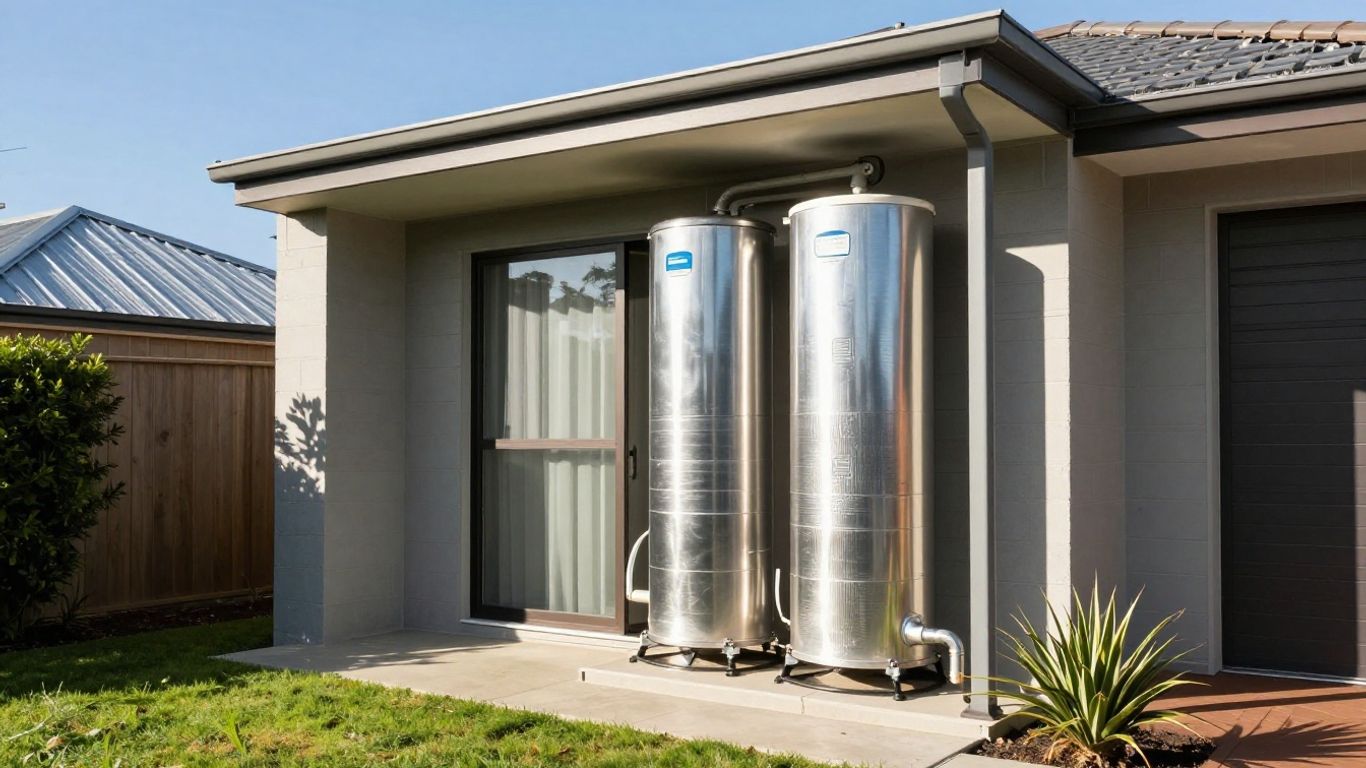
So, you’re looking to get a new hot water system installed, eh? It’s a pretty big job, and the cost can really add up. The average price to buy and install a hot water system in Australia generally sits somewhere between $1,000 and $5,000. But honestly, that’s just a ballpark figure. Your final bill will depend on a bunch of things, and it’s not always straightforward. Think about it like buying a car – there are basic models and then there are the fancy ones with all the bells and whistles. It’s the same with hot water systems.
Factors Influencing Overall System Price
When you’re getting quotes, you’ll notice prices can swing quite a bit. A big part of this is the type of system you choose. Electric storage systems are often the cheapest to get installed upfront, but they might cost you more in the long run with energy bills. Gas systems usually sit in the middle, and then you’ve got solar and heat pump systems, which tend to have a higher initial price tag but can save you heaps on running costs over time. The size of the unit is another major player; a system that can handle a big family’s needs will naturally cost more than one for a single person. Plus, don’t forget about the brand – some names just cost more because they’re known for quality or have longer warranties. It’s worth looking into different hot water system types to see what fits your budget and lifestyle.
Average Installation Costs Across Australia
Where you live in Australia can also make a difference to the final price. It’s not just about the system itself, but also the cost of getting it installed. Labour costs can vary from city to city, and even between regional areas. For instance, you might find that getting a system installed in Sydney or Melbourne could be a bit pricier than in some parts of Queensland or Western Australia. While it’s hard to give exact figures for every single town, generally speaking, major cities might have slightly higher installation costs compared to smaller towns. Keep in mind that these are just averages, and your specific location can impact delivery fees and the availability of tradespeople.
The Role Of Labour In Your Hot Water System Cost
Labour is a pretty significant chunk of the total cost. You’ll need a licensed plumber, and sometimes an electrician too, depending on the system. These professionals usually charge an hourly rate, and it can range anywhere from $80 to $150 per hour, plus maybe a call-out fee. The time it takes to install the system depends on how complex the job is, where the old system is located, and how easy it is to access the necessary plumbing and electrical connections. If your existing setup needs a bit of work or upgrading, that’ll add to the labour time and cost. It’s always a good idea to get a clear breakdown of labour costs when you’re comparing quotes.
Getting a few quotes is really the best way to get a handle on what you’ll actually pay. Don’t just go with the first price you’re given; compare what’s included and who’s doing the work.
Here’s a rough idea of what you might expect for installation costs in some major cities:
| City | Estimated Installation Cost |
|---|---|
| Sydney | $1,800 – $2,500 |
| Melbourne | $1,700 – $2,400 |
| Brisbane | $1,700 – $2,300 |
| Perth | $1,000 – $2,000 |
| Adelaide | $1,000 – $2,000 |
| Darwin | $1,500 – $3,000 |
Remember, these figures are for the installation itself and don’t always include the price of the hot water system unit. It’s always best to get a detailed quote from a qualified professional for your specific situation.
Comparing The Cost To Install Different Hot Water Systems
So, you’re looking at getting a new hot water system and wondering how the different types stack up price-wise? It’s a fair question, because the upfront cost can be a big chunk of change. Let’s break down what you might expect to pay for installation, keeping in mind these are general figures and your specific situation could change things.
Electric Hot Water System Installation Expenses
Electric storage systems are often the most budget-friendly option when it comes to the initial purchase and installation. Think of them as the entry-level choice. The plumbing is usually pretty standard, and you don’t need any special gas lines or solar panels. This simplicity often translates to lower labour costs for the plumber. However, while the installation might be cheaper, remember that electricity prices can fluctuate, and these systems can sometimes be pricier to run over the long haul compared to more energy-efficient options.
Gas Hot Water System Installation Expenses
Gas systems, whether they use mains natural gas or LPG bottles, generally sit in the middle of the price range for installation. If you already have a natural gas connection, the installation is usually more straightforward. However, if you need a new gas line run to your property, that’s an extra cost that can add up significantly. For those without mains gas, LPG bottles are an option, but you’ll need to factor in the cost of the bottles themselves and ongoing refills. The installation itself involves plumbing and potentially gas fitting, which can be a bit more involved than a basic electric setup.
Solar Hot Water System Installation Expenses
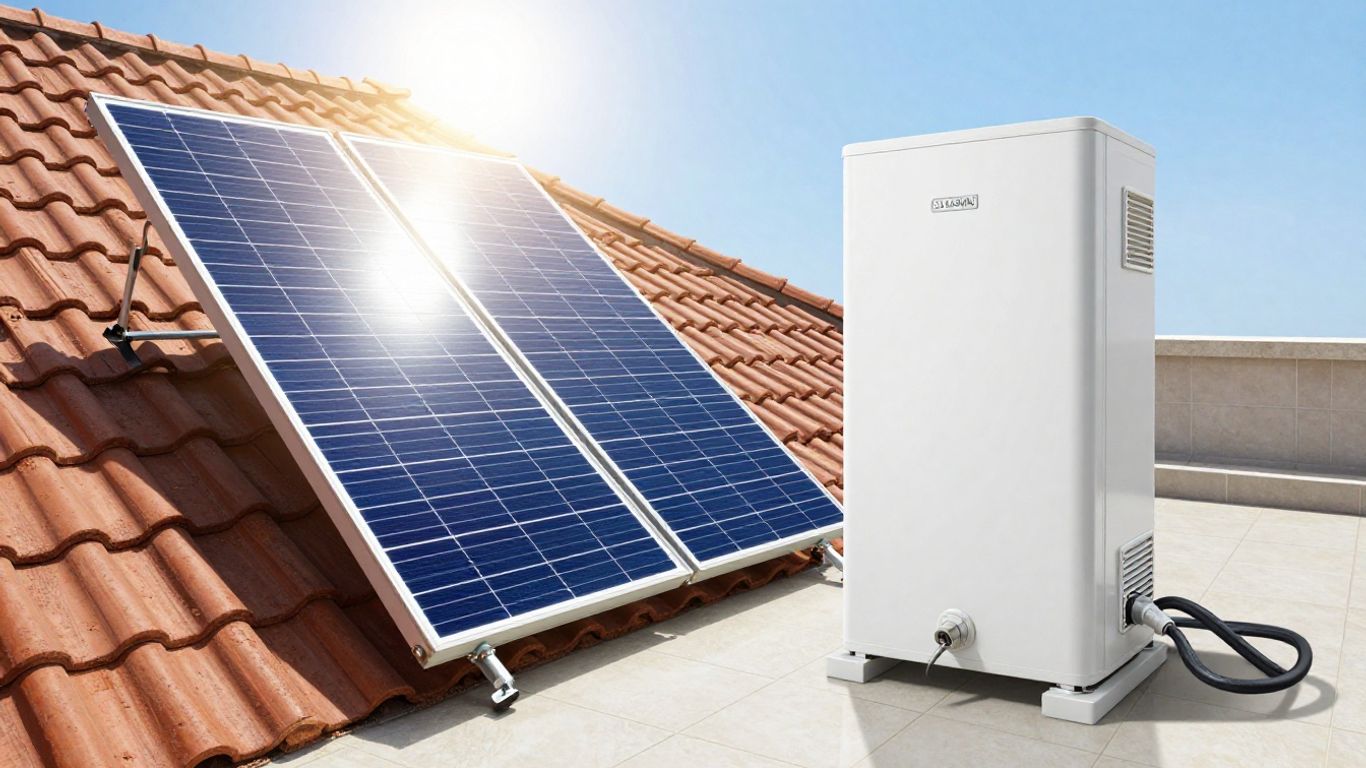
Solar hot water systems are typically the most expensive upfront. You’re looking at a higher purchase price for the panels and the storage tank, plus the installation involves more complex plumbing and roof work. Often, a solar system will also have a backup electric or gas booster, which adds to the overall cost. While the initial outlay is substantial, the big drawcard is the potential for significant savings on your energy bills over time, especially if you’re in a sunny part of Australia. It’s a long-term investment, for sure. You can find out more about solar system costs and potential rebates.
Heat Pump Hot Water System Installation Expenses
Heat pump systems, also known as solar-assisted heat pumps, are another popular choice for energy efficiency. Their installation costs are generally higher than electric or gas systems but often less than full solar setups. The unit itself is more complex, and installation requires a qualified professional who understands how they work. Like solar, the higher upfront cost is often offset by much lower running costs due to their efficient use of energy. These systems are a great middle ground if you’re looking for efficiency without the full commitment of a solar setup. Many homeowners are finding heat pump systems a smart choice for their homes.
Here’s a rough idea of installation costs, but remember these can vary:
| System Type | Estimated Installation Cost (AUD) |
|---|---|
| Electric Storage | $1,000 – $2,000 |
| Gas (Mains) | $1,500 – $3,000 |
| Gas (LPG Bottles) | $1,800 – $3,500 |
| Solar | $3,000 – $7,000+ (with booster) |
| Heat Pump | $2,500 – $5,500 |
When you’re comparing prices, make sure you’re getting like-for-like quotes. Ask what’s included – does it cover the unit, all the plumbing, electrical work, disposal of the old unit, and any necessary permits? Sometimes a cheaper quote might miss a few things that end up costing you more later on.
It’s also worth noting that if you’re replacing an existing system with the same type, the installation is usually simpler and cheaper. Switching types, like going from gas to electric, often means more work and therefore higher costs because of the need for new connections or the removal of old ones.
Key Factors Affecting Your Hot Water System Installation Cost
So, you’re looking at getting a new hot water system, eh? It’s not just about picking one off the shelf and calling it a day. There are a few things that can really bump the price up or down, and it’s worth knowing about them before you get too far into it.
System Size And Household Needs
First off, how much hot water do you actually use? This is a big one. If you’ve got a big family all showering one after another, or you’re running the dishwasher and washing machine at the same time as someone’s having a long hot shower, you’re going to need a bigger system. Think about the number of people living in your house, when you tend to use the most hot water, and how many bathrooms and appliances are hooked up. A system that’s too small will leave you cold, but one that’s way too big just wastes energy and money. For smaller households, a 50-litre tank might do the trick, but a large family could easily need 200-400 litres or more. Tankless systems are measured differently, by how much water they can heat per minute.
Brand Reputation And Warranty Considerations
Just like with cars or TVs, some brands have a better name than others. Higher-end brands often come with longer warranties, which can be a lifesaver down the track. While they might cost a bit more upfront, that peace of mind and potential savings on repairs later can make them a good deal. Always check what the warranty covers and for how long. It’s a bit like choosing a reliable car – you want something that’s built to last.
Delivery And Site Accessibility Costs
Don’t forget about getting the actual unit to your place. Delivery fees can vary a lot. If you live out in the sticks, it’s probably going to cost more than if you’re in the middle of the city. Sometimes, getting the system into your backyard or up to a second storey can be a real mission. If the plumber needs special gear like a crane, or if the access is tricky with narrow gates or steep driveways, that’s going to add to the bill. It’s always a good idea to chat with the installer about these potential hurdles beforehand.
When you’re getting quotes, make sure they’re clear about what’s included. Sometimes delivery is bundled in, other times it’s a separate charge. Also, ask about the disposal of your old unit – most plumbers will take it away, but there might be a small fee for proper disposal.
Here’s a rough idea of how installation costs can stack up, though remember these are just averages and can change:
| Factor | Estimated Cost Range (AUD) | Notes |
|---|---|---|
| System Unit | $1,000 – $7,000+ | Depends heavily on type and brand |
| Labour (Plumber/Electrician) | $80 – $150 per hour | Plus potential call-out fees |
| Delivery | $50 – $200+ | Varies by distance and accessibility |
| Ancillary Materials | $100 – $500+ | Pipes, fittings, valves etc. |
| Old Unit Disposal | $50 – $150 | If charged separately |
Remember, the total cost to install a new hot water system can range significantly, often falling between $1,000 and $7,000 depending on all these factors. Understanding these costs helps you budget better.
Reducing The Cost To Install Your Hot Water System
So, you’re looking to get a new hot water system installed but don’t want to break the bank? Totally understandable. It’s a big purchase, and there are definitely ways to keep those costs down. Let’s chat about how you can save some cash.
Exploring Government Rebates And Incentives
This is a big one, folks. The government, bless their cotton socks, often offers incentives to get people to switch to more energy-efficient hot water systems. Think of it as a little nudge to go green. These can really knock a chunk off the upfront price, especially for things like heat pump and solar systems. You’ll want to do a bit of digging to see what’s available in your state or territory. Sometimes it’s a direct rebate, other times it’s through schemes like the Victorian Energy Upgrades program. Always check what systems and installers are eligible before you commit. It’s worth the effort to find out about government rebates and incentives that could make a real difference to your final bill.
Choosing The Right System For Long-Term Savings
It might seem a bit counterintuitive, but sometimes spending a little more upfront can save you a lot down the track. Take heat pump systems, for example. They often have a higher initial cost than a basic electric unit, but they use way less electricity to heat your water. Over the years, those lower energy bills can really add up, easily saving you thousands. It’s all about looking at the total cost of ownership, not just the price tag on installation day. An electric hot water system, while cheaper to install, might cost you more in power bills over its lifetime compared to a more efficient option.
Obtaining Multiple Quotes For Installation
This is probably the most straightforward way to save money. Don’t just go with the first plumber who rocks up. Get at least three quotes from different installers. Make sure each quote is for the exact same type of system and includes all the bits and pieces – the unit itself, installation labour, any necessary fittings, and even the removal of your old system. Compare them carefully. You might find a significant difference in pricing for what seems like the same job. It’s also a good chance to ask questions and get a feel for who you’re dealing with. A good installer will be happy to explain everything clearly.
Here’s a quick rundown of what to look for in a quote:
- System Cost: The price of the actual hot water unit.
- Labour Charges: How much the plumber charges per hour and an estimate of the time needed.
- Additional Parts: Any pipes, valves, or fittings required.
- Disposal Fee: Cost to remove and dispose of your old unit.
- Call-out Fee: Some plumbers charge this just to come out and assess the job.
- GST: Don’t forget to check if the quote includes the Goods and Services Tax.
When you’re comparing quotes, don’t just look at the bottom line. A super cheap quote might mean they’re cutting corners somewhere, like using lower-quality parts or not including a full warranty. It’s always better to go with a reputable professional who provides a clear, detailed quote and a solid warranty on both the system and their workmanship.
Conclusion
Getting a new hot water system installed is a big deal, and the cost can really add up. But by doing your homework, you can make sure you’re getting a good deal. Think about how much hot water your family actually uses, look into different types of systems, and always get a few quotes from plumbers. Don’t forget to check if there are any government help programs available, as these can cut down the upfront cost significantly. Choosing the right system now means saving money on bills for years to come.
Frequently Asked Questions
What's the typical price range for installing a hot water system in Australia?
Generally, you can expect to pay somewhere between $1,000 and $5,000 for a new hot water system, including the installation. This can change a lot depending on what kind of system you pick and where you are in Australia.
What makes the cost of installing a hot water system go up or down?
A few things play a big part. The size of the tank you need, the brand you choose, and even how easy it is for the plumber to get to your house can all affect the price. The type of system – like electric, gas, or solar – also makes a difference.
Are electric hot water systems the cheapest to install?
Yes, electric hot water systems are often the most affordable to get installed upfront. However, they might end up costing you more over time in electricity bills, especially if your household uses a lot of hot water.
Do solar hot water systems cost more to install?
Solar hot water systems usually have the highest upfront installation costs, often ranging from $3,000 to $7,000. But, they’re super energy-efficient and can save you a lot of money on your energy bills in the long run.
How much do plumbers charge to install a hot water system?
Plumbers typically charge by the hour, usually between $80 and $150. The total time it takes depends on the job’s complexity, but it’s wise to factor in labour costs when budgeting for your new system.
Are there any government programs that can help with the cost?
Yes, there often are! Many states offer rebates or incentives to help homeowners install more energy-efficient hot water systems, like heat pumps or solar. It’s worth checking your local government’s website for current offers.