
Looking for a quick rundown? Here are the main points to remember about getting a solar battery quote for your home in 2026.
Key Takeaways
- Solar battery quotes depend on your energy use, battery size, and where you live.
- Different brands and warranties can change the price a lot.
- Adding a battery can help you save money on power bills, especially with time-of-use rates.
- Battery storage keeps your home running during outages and gives you more control over your energy.
- Always compare a few quotes and ask your installer questions before making a decision.
Understanding Your Custom Solar Battery Quote
So, you’re looking into getting a solar battery and want to know what goes into that quote you’ll eventually get. It’s not just a simple number; there are a few moving parts that can really change the final price. Think of it like getting a quote for a car – the base model is one thing, but add a sunroof, fancy wheels, and a better sound system, and the price jumps up. Your solar battery quote works much the same way.
Key Components That Affect Pricing
The biggest chunk of the cost usually comes down to the battery itself. We’re talking about the brand, the capacity (how much energy it can store), and the type of battery technology. Premium brands like Tesla Powerwall or Enphase often cost more because they usually come with better monitoring software and longer warranties. On the flip side, you might find more budget-friendly options, especially if you’re buying the battery as part of a larger solar setup. The price for installed usable kWh is expected to be between $550 and $850 by late 2026, with costs decreasing annually.
Beyond the battery unit, installation labour is a significant factor. The complexity of your home’s electrical system, whether your switchboard needs an upgrade, and how easy it is for the installers to access everything all play a role. Some homes might need a new critical loads panel, which adds to the bill.
Why Quotes Vary Between Homes
Every home is different, right? That’s why quotes aren’t one-size-fits-all. Your home’s energy usage is the main driver. If you’re a big energy user, you’ll need a bigger, more expensive battery. The amount of sunlight your roof gets also matters – a shadier spot might mean you need a slightly larger solar array to charge the battery effectively.
Then there’s the roof itself. Is it steep? Are there lots of trees casting shadows? Is it made of tiles that are tricky to work with? All these things can make the installation take longer and cost more. Even the type of inverter you choose can affect the price, especially if you’re going for a hybrid model that manages both solar and battery power.
How Site Assessment Shapes Your Quote
Before you get a firm quote, an installer will usually do a site assessment. This is where they come and have a proper look at your place. They’ll check out your existing electrical setup, measure your roof space, and talk to you about how you use electricity.
Here’s what they’re typically looking for:
- Electrical Panel: Is it old? Does it have enough space for new breakers? Sometimes, an upgrade is needed.
- Roof Condition & Space: They’ll assess the roof’s condition and how much usable space you have for solar panels, if you’re getting them at the same time.
- Shading: Identifying any trees or buildings that might block sunlight.
- Battery Location: Finding a suitable, safe spot for the battery, usually in a garage or on an exterior wall.
This detailed look helps them give you a more accurate quote, avoiding nasty surprises down the track. It’s also a good time to ask about federal rebate eligibility and other potential savings.
Getting a quote for energy storage is the first step towards greater energy independence. It’s about understanding what you’ll get for your investment, from backup power during outages to potential savings on your electricity bills. Don’t just look at the bottom line; consider the long-term value.
Remember, getting a quote is just the start. It’s worth comparing a few different installers and their proposals to make sure you’re getting the best deal for your specific needs.
Calculating the Right Battery Size for Your Needs
So, you’ve got solar panels sorted, or you’re planning to get them. That’s great! But how much battery storage do you actually need? It’s not a one-size-fits-all deal, and getting it right means you’re not overspending or undershooting what you want the battery to do.
Estimating Your Daily and Backup Energy Loads
First off, let’s figure out how much juice your house uses. You can usually find this on your electricity bills. Look for the total kilowatt-hours (kWh) used over a year, then divide by 365 to get a daily average. But that’s just a starting point. Think about your lifestyle. Are you home all day? Do you run a lot of appliances at once? For a rough idea, a 2,000 sq ft home might use around 30-40 kWh a day. If you want backup power for blackouts, you need to list out what absolutely must stay on – think fridge, lights, Wi-Fi, maybe a medical device. Then, estimate how long each of those needs to run. This helps work out the total ‘backup load’ in kWh.
Matching Battery Capacity to Solar and Lifestyle
Your solar system’s output is a big factor here. A 10 kW solar system, for example, might generate enough power on a sunny day to charge a decent-sized battery. The goal is often to store excess solar power generated during the day to use at night, especially if your electricity rates go up in the evenings. This is where a battery really shines, helping you maximise savings with time-of-use rates. If you’re aiming for significant backup, you’ll need a larger battery. For instance, to cover a night’s worth of essential appliances, you might look at a 15-20 kWh battery. If you want to be nearly off-grid for a full day, you’re probably talking 25-30 kWh or more.
Considering System Scalability for Future Growth
It’s worth thinking about the future. Will you get an electric car next year? Maybe add more appliances? Or perhaps your family will grow? If so, you might want a battery system that can be expanded later. Some systems let you add more battery modules down the track. This can be cheaper than buying a massive battery upfront that you don’t fully need yet. It’s a bit like future-proofing your setup. Asking your installer about ‘battery-ready’ designs is a smart move, as adding a battery later can sometimes cost more if the initial system wasn’t set up for it.
Sizing your battery correctly is all about balancing your current energy needs, your solar generation, and what you want to achieve – whether that’s cutting bills, having backup power, or both. Don’t just guess; do a bit of homework on your usage.
Here’s a quick look at how battery size might relate to different goals for a typical home:
| Goal | Typical Battery Size (kWh) | Notes |
|---|---|---|
| Evening energy use / TOU savings | 10–15 | Stores daytime solar for use after sunset. |
| Backup for essential overnight loads | 15–20 | Powers fridge, lights, Wi-Fi, etc., during an outage. |
| Near off-grid for one full day | 25–30+ | Covers most household needs for 24 hours without grid power. |
| Extended backup / higher energy use | 30+ | For larger homes or those wanting more resilience during longer outages. |
Remember, these are just general guides. Your specific usage patterns and the size of your solar array will influence the ideal battery capacity for your home.
Solar Battery Quotes: What Determines Value
So, you’re looking at getting a quote for a solar battery, and you’re probably wondering what makes one quote different from another, right? It’s not just about the brand name, though that’s part of it. Several things can really push the price up or down, and understanding these will help you figure out if you’re getting a fair deal.
Influence of Battery Brand and Warranty
When you get a quote, you’ll notice different brands come with different price tags. Premium brands like Tesla Powerwall or Enphase often cost more. This isn’t just for the name; they usually pack in better monitoring systems, longer warranties, and smoother integration with your existing solar setup. Think of it like buying a car – a top-tier model will have more features and a higher price. A longer warranty, say 10 or 15 years, is a big plus, giving you peace of mind that the company stands behind its product. It’s worth checking out what Trusight Pty Limited offers in terms of warranties and support.
Install Method and Integration with Solar
How the battery gets installed and how it talks to your solar panels makes a difference too. If you’re adding a battery to an existing solar system, it might cost a bit more than getting it all done at once. This is because the installer needs to make sure everything works together properly. Sometimes, you can get a "battery-ready" system when you first install your solar panels. This means it’s set up to easily add a battery later, which can save you money down the track compared to a full retrofit. The type of inverter you have also plays a role; some are designed to work seamlessly with batteries, while others might need an upgrade.
The Role of Incentives and Rebates in 2026
This is a big one, especially now. While the big federal tax credit for batteries isn’t around anymore, there are still state and local incentives. These can knock a significant chunk off the total price. For example, some programs might offer rebates based on the battery’s capacity or your income. It’s really important to ask your installer about all the available incentives and rebates for your area in 2026. Sometimes, these programs can make a pricey battery much more affordable, changing the whole calculation of whether it’s worth the investment right now.
Benefits of Adding Battery Storage to a Solar System
So, you’ve got solar panels humming away, soaking up the sun. That’s great! But what if you could get even more out of that sunshine, especially when the sun’s not shining? That’s where adding a battery to your solar setup really shines.
Maximising Savings With Time-of-Use Rates
Electricity prices aren’t always the same throughout the day, are they? Utilities often have what they call ‘time-of-use’ (TOU) rates. This means electricity is more expensive during peak hours, usually in the evening when everyone’s home from work and flicking on lights and appliances. Your solar panels are likely producing the most power in the middle of the day when you might not be using much. A battery lets you store that excess solar energy generated during the day and use it during those expensive peak evening hours. Instead of buying pricey grid power, you’re using your own stored solar energy. Over time, this can add up to some serious savings on your electricity bills, especially if you’re in an area with high TOU charges. It’s like having your own personal power plant, ready to go when you need it most. Pairing a battery system with solar panels enhances grid independence and maximises savings on electricity bills.
Keeping Your Home Running During Outages
Let’s be honest, power outages are a real pain. Whether it’s a storm knocking out the grid or just a random fault, being left in the dark isn’t fun. A solar battery acts as a backup power source. When the grid goes down, your battery can automatically kick in, keeping essential appliances running. Think lights, your fridge, the Wi-Fi, maybe even your TV. It means you’re not completely at the mercy of the utility company when things go wrong. It provides a bit of peace of mind, knowing you’ve got a reliable power source ready to go. Some systems can even be configured to power a good chunk of your home, not just the essentials.
Increasing Your Energy Independence
Ultimately, adding a battery storage system to your solar panels gives you more control over your energy. You’re relying less on the grid and more on the sun and your own stored power. This ‘energy independence’ means you’re less affected by rising electricity prices or grid instability. You’re essentially becoming your own energy provider, using clean energy generated right on your roof. It’s a step towards a more sustainable and self-sufficient lifestyle.
Here’s a quick rundown of what you gain:
- Reduced electricity bills: By using your stored solar power during peak times.
- Backup power: Keeping your home running during grid outages.
- Greater self-sufficiency: Less reliance on the utility grid.
- Environmental benefits: Maximising the use of clean solar energy.
While the upfront cost of a battery might seem significant, think of it as an investment in your home’s resilience and your long-term savings. The technology is improving all the time, and with various incentives available, it’s becoming a more accessible option for many homeowners across Australia. Trusight Pty Limited is committed to helping you find the right solution for your needs in 2026.
Pairing Solar Panels and Batteries for Home Power
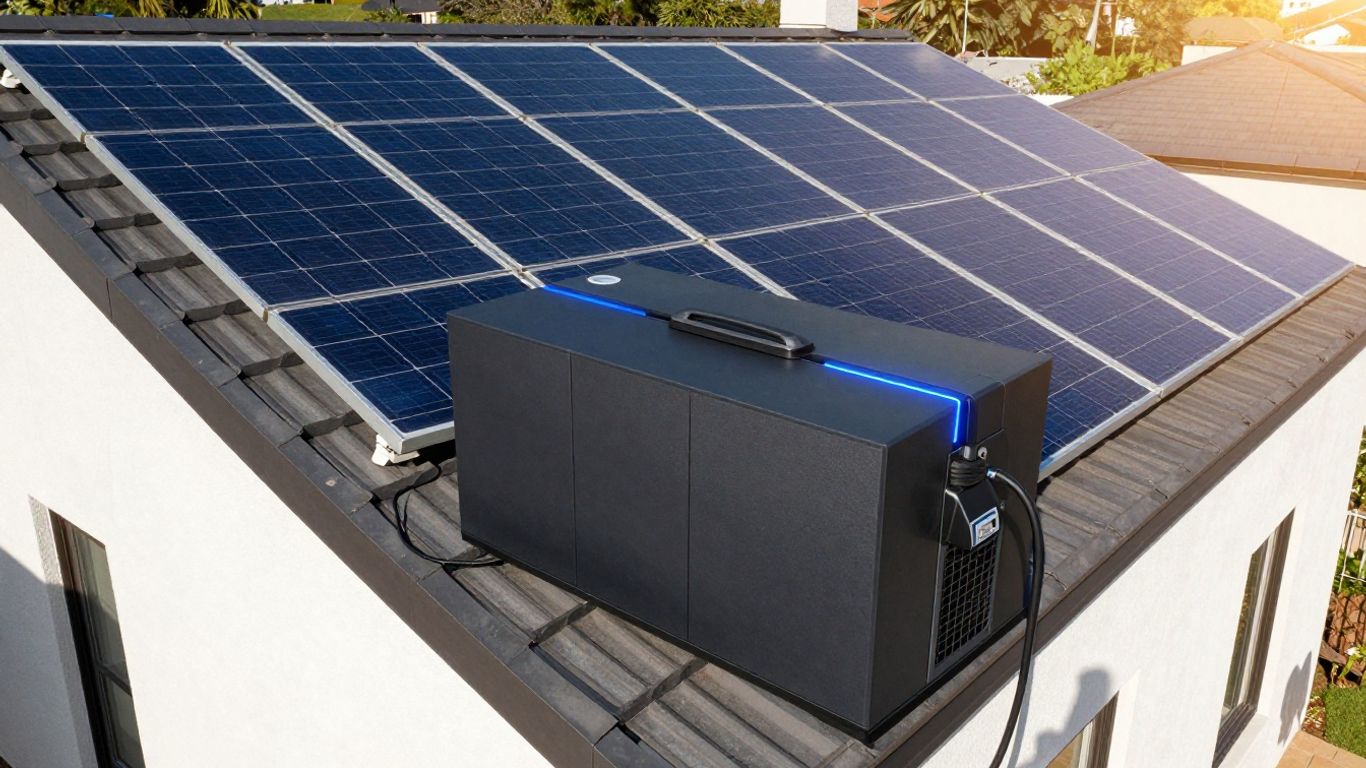
Getting your solar panels to work well with home batteries is about making sure both parts talk to each other. Batteries alone can’t make electricity—they just hold onto what your solar system brings in during the day, then let it out for your home before and after sunset (or when there’s a blackout). When your panels and your batteries match up, you can use more of your own solar and rely less on the grid.
Why System Matching Matters
It’s not enough to buy any battery and plug it in—you’ll want the system designed to suit your daily use as well as your solar production. Here’s why it matters:
- Using the wrong battery size or type could mean wasted solar or power shortfalls in the evening.
- Under or oversized systems might cost you more in the long run, or leave you without backup during a blackout.
- Matching ensures smooth charging and discharging, better system health, and can extend your battery’s lifetime.
Pairing is especially important if you want to handle all your essential appliances during an outage. Every home’s consumption is a bit different, so the best place to start is to track your power use over a few weeks and see what’s needed when the sun isn’t shining. For businesses, combining solar and storage has extra advantages, like reducing peak demand fees as explained here.
How Inverter Choices Impact Storage
The inverter is the go-between for solar panels, batteries, and your home. Here’s what to keep in mind:
- Hybrid inverters manage both solar panels and batteries together. They’re the simplest solution for new systems.
- AC-coupled setups add a separate inverter to an existing solar system, letting you add batteries later without redoing everything.
- Choosing a cheap or incompatible inverter might lower the system’s efficiency or limit your battery options down the line.
| Inverter Type | Best For | Key Benefit |
|---|---|---|
| Hybrid | New installs | Integrated control |
| AC-coupled | Adding to existing solar | Flexibility, upgrade |
If your current solar setup is a few years old, ask your installer if it’s ‘battery-ready’ or if you’ll need new gear to get batteries working smoothly.
Optimising Panel Layout for Battery Performance
The way your solar panels are installed can change how much your battery gets charged. Consider these facts:
- North-facing panels get the most sunlight, charging batteries faster.
- If you want more power late in the afternoon, west-tilted panels capture the last rays—this can be great for evening usage.
- Shading, dirty panels, or odd roof angles can slow down charging, so clear access to sunlight is a must.
If you’re planning for backup power during storms or blackouts, your installer might recommend spreading panels over a few roof spaces to catch light all day long. Some homes even add extra panels just to keep the battery topped up through winter or cloudy spells.
It can sound complicated when you start looking at all the parts involved, but really, it’s about making sure everything works together. Design the system so you use what you generate, charge your battery without fuss, and avoid costly surprises. With a bit of planning, you’ll have reliable backup power and better savings for years to come. If you want to get the legal details checked, companies like Trusight Pty Limited can clarify the fine print for your install.
Comparing Solar Battery Solutions for Your Home
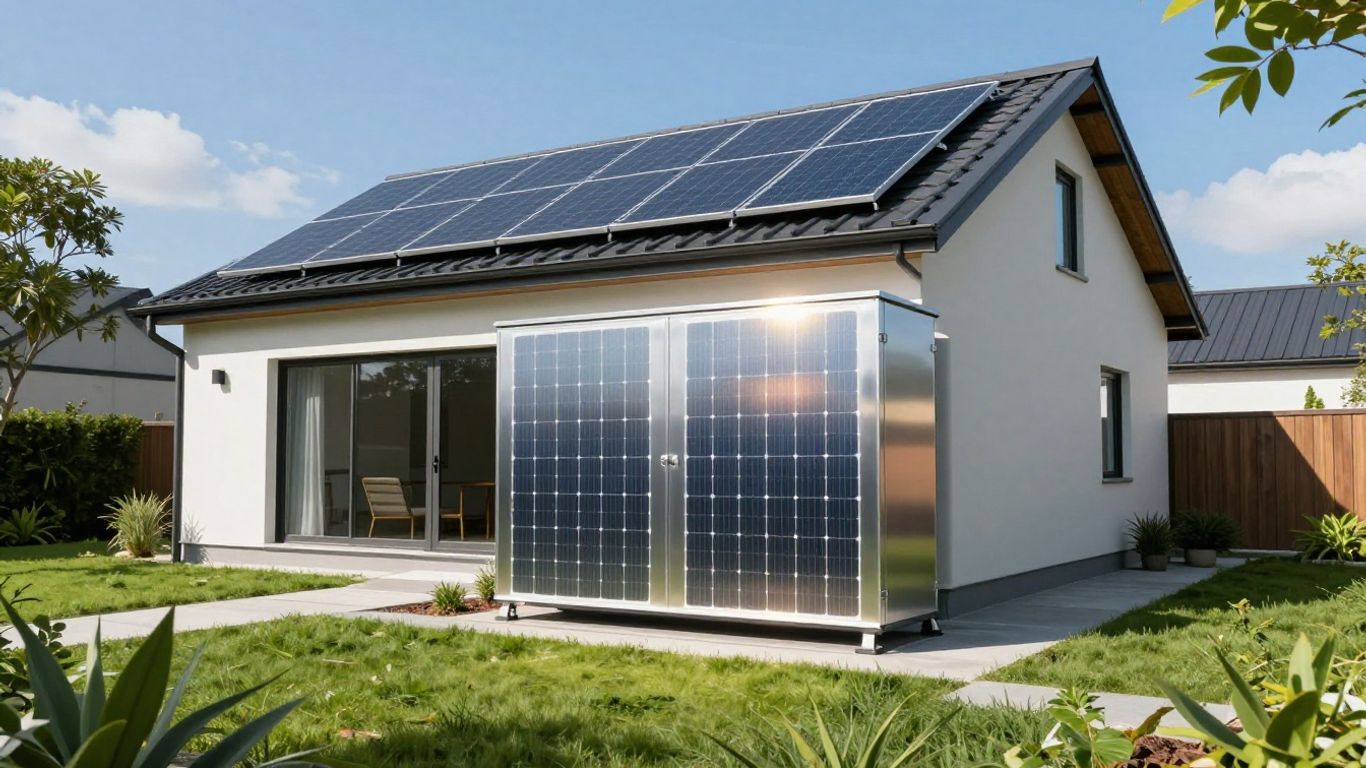
So, you’re looking into solar batteries, but the sheer number of options can feel a bit overwhelming, right? It’s not just about picking a brand; there are different types of batteries out there, each with its own quirks and benefits. Understanding these differences is key to finding the right fit for your place.
Understanding Lithium, LiFePO4, and Other Types
When we talk about home batteries, you’ll mostly hear about lithium-ion. But even within that, there are variations. The most common type you’ll see for home storage these days is Lithium Iron Phosphate, or LiFePO4. Why the fuss? Well, LiFePO4 batteries are generally considered safer and have a longer lifespan compared to older lithium-ion chemistries. They can handle more charge and discharge cycles before their capacity starts to drop off significantly. Think of it like this: you can use them more often over the years.
Other types, like traditional lead-acid batteries, are still around, but they’re heavier, less efficient, and don’t last as long. For most modern solar setups in 2026, LiFePO4 is where it’s at for a good balance of performance and longevity.
Popular Brands and Features in 2026
Right now, a few big names are really making waves in the home battery market. You’ve got the usual suspects like Tesla, with their Powerwall series, which is pretty popular for its sleek design and integration. Then there are brands like Enphase, known for their microinverter technology that pairs well with their batteries, and FranklinWH, which is gaining traction with its modular systems.
When you’re comparing, look beyond just the brand name. Check out the warranty period – a longer warranty usually means the manufacturer has confidence in their product. Also, consider the battery’s capacity (how much energy it can store) and its power output (how quickly it can deliver that energy). Some batteries are better suited for just topping up your usage during peak times, while others are built for whole-home backup during outages. It’s worth looking at reviews and seeing what other homeowners are saying about their experiences with different models.
| Battery Type | Typical Lifespan (Years) | Safety Profile | Common Use Cases |
|---|---|---|---|
| LiFePO4 | 10-15+ | High | Daily use, backup |
| Lithium-ion | 8-12 | Medium | Daily use |
| Lead-Acid | 3-7 | Lower | Budget backup |
What Makes a Solution ‘Battery-Ready’
Having a solar system that’s ‘battery-ready’ is a smart move if you’re thinking about adding storage down the line, or even if you’re installing everything at once. Essentially, it means your solar setup is designed to easily integrate with a battery system. This often involves having the right type of inverter – one that can manage both solar input and battery output. Some newer inverters are specifically designed for this dual role.
It also means your electrical panel might be configured to handle the battery’s connections, and your installer has planned for the physical space the battery will need. If you’re getting a new solar system, it’s definitely worth discussing battery readiness with your installer. It can save you a lot of hassle and potential extra costs later on if you decide to add a battery. You can explore different battery configurations to see what might work best for your home.
Choosing the right battery isn’t just about the cheapest option. It’s about finding a reliable system that fits your energy habits, your budget, and your peace of mind, especially when the grid decides to take a break. Think long-term savings and reliability over a quick fix.
When you’re weighing up your options, remember to check out resources that compare different battery types and brands. For instance, understanding the differences between LFP and lithium-ion batteries can really help clarify things. This guide helps Texas homeowners select the best solar battery if you’re looking for a detailed comparison. And if you’re curious about specific models, seeing which ones are rated highly, like the Tesla Powerwall 3 as the overall best, can give you a good starting point.
What to Expect When Requesting a Solar Battery Quote
So, you’re ready to get a quote for a solar battery. That’s a big step towards powering your home more smartly in 2026. It might seem a bit daunting, but honestly, it’s pretty straightforward once you know what’s involved. Think of it like getting a quote for a new car – you need to give them some info, they do a bit of checking, and then you get a price.
Gathering Your Energy Usage Details
Before you even talk to an installer, it’s a good idea to get a handle on how much electricity your household actually uses. The easiest way to do this is to look at your past electricity bills. Most power companies make this pretty simple these days. You’re looking for your average daily or monthly kilowatt-hour (kWh) usage. This number is super important because it helps the installer figure out what size battery you’ll need. If you’re aiming for backup power during blackouts, you’ll want to think about which appliances are absolute must-haves and how long you’d need them to run. For example, keeping the fridge and a few lights on is different to running the air conditioning.
Here’s a rough idea of what different battery sizes might cover for a typical household:
- 10-15 kWh: Good for covering evening energy use from your solar panels, especially if you have time-of-use electricity rates. It can also provide backup for essential items like your fridge and Wi-Fi during short outages.
- 15-20 kWh: Offers more substantial backup power, potentially running more appliances for longer during a blackout. It also gives you more flexibility with using your stored solar energy.
- 25-30 kWh: Aimed at near off-grid living or providing extensive backup for a full day or more, covering a wider range of household needs.
Questions to Ask Your Solar Installer
When you’re chatting with potential installers, don’t be shy! Ask them everything. You want to know about the specific battery brands they recommend and why. What kind of warranty comes with the battery and the installation itself? How long will the installation take, and what’s the process like? It’s also worth asking about the payment options available – upfront, loan, or lease – and what makes the most sense for your situation. Remember, getting a quote for a battery-ready system now, even if you plan to install the battery later, can save you money down the track. This is because adding a battery later can sometimes cost more than installing it alongside your solar panels.
It’s really about finding a system that fits your life and your budget. Don’t feel pressured into a decision; take your time to compare what different companies are offering. The goal is to get a reliable system that saves you money and gives you peace of mind.
Reviewing and Comparing Multiple Quotes
Once you’ve got a few quotes in hand, it’s time to do some comparing. Look beyond just the bottom line price. Check what’s included in each quote. Does it cover all the necessary components, like inverters and wiring? What about installation labour and any permits needed? Some quotes might include extended warranties or monitoring services, which can add to the overall value. It’s also a good idea to check out the installer’s reputation and read reviews if you can. Getting a good deal is important, but so is having a trustworthy team handle the job. You can find trusted, certified installers through services that partner with solar companies.
Conclusion
Getting a solar battery quote in 2026 is a smart step if you want to save money, keep your lights on during blackouts, and use more of your own solar power. Every home is different, so your quote will depend on your energy use, where you live, and what kind of battery you choose. Take time to compare a few quotes and ask questions. That way, you’ll find a setup that works for your house and your budget. Solar batteries are becoming more popular as electricity prices rise and blackouts happen more often. If you’re thinking about making the switch, now’s a good time to start.
Frequently Asked Questions
How do I know what size solar battery I need?
Start by checking your daily electricity use, then think about how long you want the battery to last during a blackout. Most people look at their power bills to get an idea.
Why do solar battery quotes change from house to house?
Every home uses energy differently. Things like how much power you use, your roof shape, and even where you live can all change the cost.
Can I add a battery to my old solar system?
Usually yes, but it depends on your system. Some setups are ‘battery-ready’, but others might need extra work or parts.
What brands of solar batteries are popular in 2026?
Brands like Tesla, Enphase, and Avepower are common. Each has different features and prices, so it’s good to look at a few.
Will a solar battery work if the power goes out?
Yes, most home batteries will keep some lights and important things running when the grid is down, but how much depends on your battery size.
Are there any rebates or deals for solar batteries in 2026?
Some states and areas offer rebates or discounts. Always ask your installer about current deals or check your local government’s website.